
Update Your Existing Batch Plant: Part 2
BY Sandy Lender
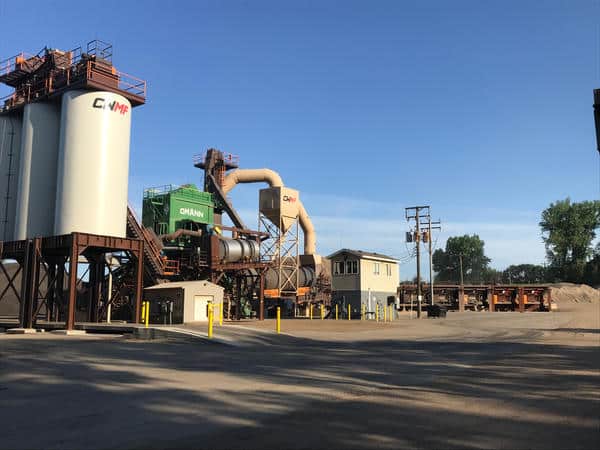
From components to controls, experts offer solutions to update the grandfathered batch plant for efficiency, RAP production
Continuing the discussion of ways to update an older hot-mix asphalt (HMA) batch plant, this month’s installment dives further into the electrical and controls systems. As we saw in part one, a common theme from sources showed batch plant owners/operators are not only considering upgrades to increase efficiency at their sites, but also to increase production. A spokesperson for Astec Industries, Chattanooga, prepared this:
“The most common upgrades [over the past decade] have focused on increasing productivity and improving RAP utilization. Additional storage capacity, whether short-term or long-term, remains one of the most popular investments because it allows producers to improve plant throughput, reduce truck waiting times, and better balance production with paving operations.…Another increasingly common approach is the addition of a drum dryer/mixer system that allows facilities to combine elements of continuous production with traditional batch operation. In some cases, owners gain the ability to produce asphalt either continuously or in batches while also benefiting from storage and higher recycling capabilities. Interestingly, many of the most popular upgrades over the past decade—including storage, external RAP systems and drum mixer additions—are aimed at increasing throughput, improving recycling capability and lowering operating costs. In many ways, these upgrades move a traditional batch facility closer to the performance and economics of a continuous plant. This reflects the broader industry trend as producers look to maximize efficiency, reduce cost per ton, and improve return on investment while extending the useful life of existing assets. Ultimately, the most successful upgrades are those that address a producer’s specific operating constraints while delivering measurable economic benefits.”
The constraints alluded to include footprint as well as mechanical considerations, such as old wiring or outdated controls. Let’s assess ways to address these concerns and look at what your peers consider top priorities for updating the older HMA batch plant.
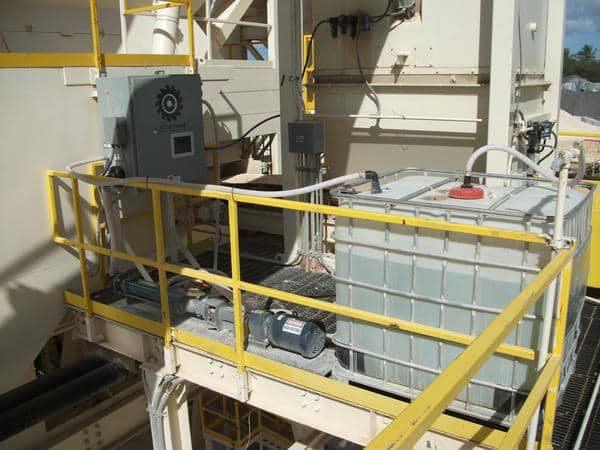
This producer added an Accu-Shear system from Stansteel Hotmix Parts & Service to facilitate addition of latex. Batch plants offer flexibility with smaller production runs of specialty mixes and updates with newer technology can widen the types of specialty mixes available for your customers. With the added technology comes the need for control, like that offered by the Accu-Load system, also from Stansteel. Photos courtesy of Stansteel
Permit the Plant to Fit in Your Location
As discussed in September’s installment, producers often view permitting as an insurmountable obstacle when it comes to updating a batch plant that may be grandfathered into an urban area—or any area, for that matter. But sources pointed out not every update will require oversight and many updates will be met with some level of enthusiasm.
Mike Mauzy, sales manager for Reliable Asphalt Products, Inc., Shelbyville, Kentucky, shared how simpler upgrades might be allowed without changes to permits. “Batch plant controls are simple control systems that only need replacing when the old system is outdated,” Mauzy said. “This is a simple upgrade process. When making a batch plant into more of a hybrid batch/continuous mix plant, which has been performed hundreds of times, it requires more intricate feeder blending capabilities along with belt scale production control. Although this is a more costly and time-consuming project, the benefits help streamline the batching process. This likely does not require any permitting upgrades.”
“Modernizing plant controls and switchgear is often one of the first investments owners make, replacing aging electrical systems with current hardware and software that are easier to support and maintain.”—Astec Industries
When in doubt, turn to your supplier or consultant for help.
“When owners decide to upgrade major combustion equipment such as a burner, our recommendation is to engage equipment suppliers, engineering resources and regulatory authorities early in the process,” Llew Williams said. He’s the general manager, operations, for Stansteel Hotmix Parts & Service, Louisville, Kentucky, and he shared, “The most successful projects are typically those where permit considerations, fuel availability, emissions expectations and production goals are addressed before equipment is ordered….From a business perspective, owners should view a burner upgrade as more than an emissions project. Modern burner technology can improve fuel efficiency, combustion stability, production consistency and operational flexibility. A thorough evaluation of plant goals often helps justify the investment and streamline the overall project.”
The improvements in emissions and fuel efficiency that Williams listed will be of interest to the air quality authority. These are the kinds of “wins” that will go a long way toward convincing a regulatory authority to approve upgrades that represent a change to the operating permit.
But another change that older HMA batch plant owners/operators must consider is real estate. Everything discussed in parts one and two of this series takes up space. If merely replacing an existing component, it may not be adding additional mass, but some upgrades, such as adding a silo system, more cold feeds, a more robust baghouse, etc., require a larger footprint.
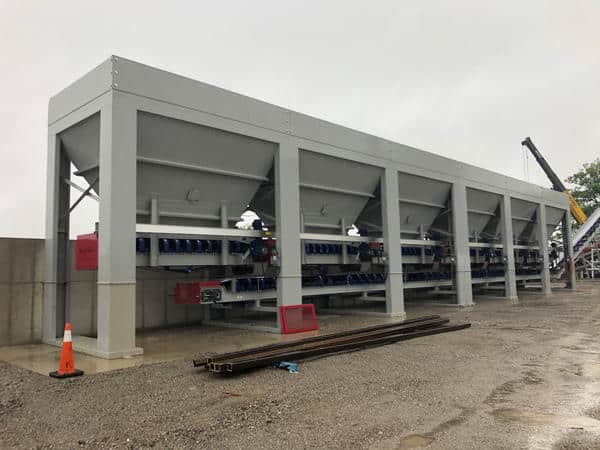
Many batch plant owners find it beneficial to add cold feed bins, RAP bins, additional storage silos, etc., to accommodate increased mixes and production. With the addition of materials/inputs, a robust controls and blending system is a must. The AARC BlendPro 2.0 asphalt plant control system from Reliable Asphalt Products can be fully customized for each facility. Photos courtesy of Reliable Asphalt Products
The Astec spokesperson shared: “Site constraints are also common. Many batch plants occupy older facilities where available space is limited, making it difficult to add RAP systems, storage silos, or other necessary equipment to improve productivity and increase recycled content.
“For older batch plants, some of the most beneficial upgrades are those that improve reliability, efficiency and maintainability without substantially changing the plant’s operating profile.”
This doesn’t mean the producer in a congested urban area gives up. It means he plans ahead and gets creative.
“My recommendation would be to ensure you have a good consultant on board to help walk through carefully planning and budgeting for a project of that scope to ensure a smooth upgraded operation is carried out,” Motion Engineering President Michael Petrie said.
If you can’t expand outward, think vertically. For example, Ammann’s UniBatch has integrated silo storage located under the mixer. This process offers up to 500 tons of storage while still directly loading into trucks.
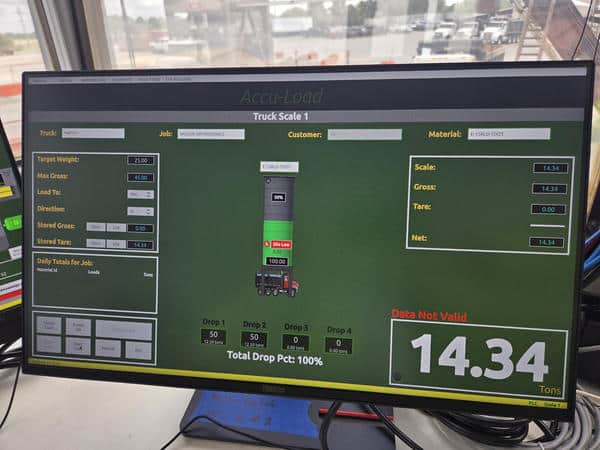
This producer added an Accu-Shear system from Stansteel Hotmix Parts & Service to facilitate addition of latex. Batch plants offer flexibility with smaller production runs of specialty mixes and updates with newer technology can widen the types of specialty mixes available for your customers. With the added technology comes the need for control, like that offered by the Accu-Load system, also from Stansteel. Photos courtesy of Stansteel
Control More Tons
That loading process may need an upgrade as well. And that’s where a discussion of controls and automation often begins.
“When planning for new updates with controls and automation, while it is a fairly simple concept, it can be extremely costly as you have to update everything from wiring and electrical components along with new controls and automation,” Petrie said. “It is important to consider cost and budget appropriately if this is something that an owner is looking to do. Once you start upgrading certain components within the plant, you end up running into issues that require additional upgrades that may be unexpected.”
The good news is that not every batch plant upgrade that begins with wiring and controls will necessarily require an overhaul of components as well. Mike Raasch, controls engineer at WEM Automation, Pewaukee, Wisconsin, shared, “The first step is understanding the condition and architecture of the existing system, including the PLC or existing relay logic, operator interface, control panels, motor controls, scales, field instrumentation, safety circuits, and any reporting or loadout systems connected to the plant. Much of the plant’s mechanical equipment may still have useful life remaining, while the controls and electrical components have become obsolete or difficult to support. In those cases, the objective is usually to modernize the control system without replacing equipment that is still mechanically sound.
“In many cases, the PLC and operator interface are among the most practical places to begin a plant upgrade,” Raasch continued. “Modernizing the control platform can improve reliability, diagnostics, parts availability and operator visibility without requiring the owner to replace mechanically sound equipment. It is not always a simple drop-in replacement. Existing wiring, field devices, motor controls, safety circuits and equipment interfaces should be evaluated, but a well-planned controls upgrade can deliver meaningful operational improvements with less disruption and capital investment than replacing major plant equipment.”
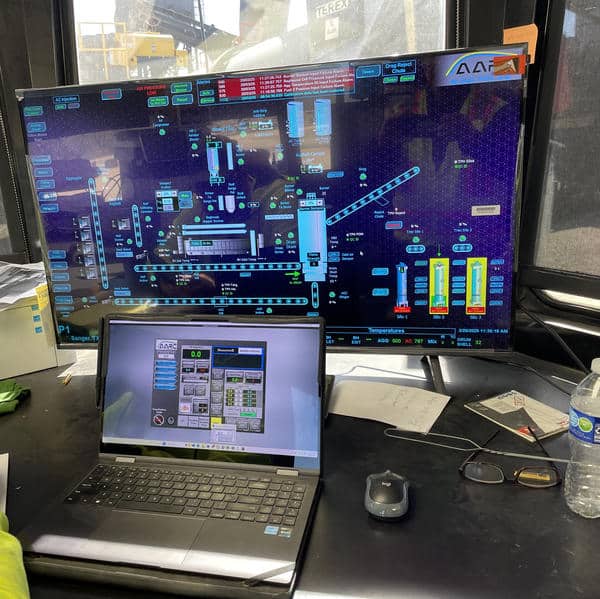
Many batch plant owners find it beneficial to add cold feed bins, RAP bins, additional storage silos, etc., to accommodate increased mixes and production. With the addition of materials/inputs, a robust controls and blending system is a must. The AARC BlendPro 2.0 asphalt plant control system from Reliable Asphalt Products can be fully customized for each facility. Photos courtesy of Reliable Asphalt Products
The spokesperson from Astec stated: “Modernizing plant controls and switchgear is often one of the first investments owners make, replacing aging electrical systems with current hardware and software that are easier to support and maintain. Another common upgrade is adding variable frequency drives (VFDs) to major plant components such as baghouse fans and drying drums. These systems allow operators to better manage airflow and exhaust temperatures, improving fuel efficiency and overall plant performance.”
“The highest-priority upgrade will vary by plant,” Raasch said. “A system with obsolete controls but accurate scales will have different needs from a plant with a supportable PLC and unreliable weighing equipment.”
Raasch listed three top considerations for batch plant owners:
- Replace obsolete relay logic or an unsupported PLC architecture. “A modern control platform improves parts availability and provides better alarm information, diagnostics, system status, and troubleshooting tools. It also creates a supportable foundation for future modifications.”
- Improve weighing and batching systems. “Depending on the condition of the plant, that may include load cells, junction boxes, scale indicators, calibration procedures, and the batching logic itself. Improved accuracy and repeatability can reduce material variation, improve mix consistency, and give operators greater confidence in each batch.”
- Assess access to production and operating information. “Modern systems can provide production reports, batch records, alarm and event history, material usage, loadout information, and trend data. That information helps with customer reporting, troubleshooting, maintenance and identifying recurring operating issues.”
No matter where your batch plant is located or how old it may be, starting with an assessment of the components and electrical capacity is a wise first step to updating for increased production and efficiency. While multiple sources admit the journey to increased throughput with a combination plant is a costly undertaking, they also affirm it’s a rewarding one.
“It is nearly impossible for a batch plant to cost effectively compete with high production, high RAP usage, multiple silo drum mix plants,” Mauzy said. “That fact alone has driven batch plants almost completely from urban settings. Batch plants have remained a mainstay in the northeast, and sometimes in urban areas. The reported advantage of a batch plant over a drum mix plant is reduced waste while producing a larger variety of mixes daily. This is still a predominately northeast opinion; however, larger production drum mix plants have replaced batch plants almost everywhere. Rural settings seem to be more fit for batch plants, likely because they are not located in highly competitive urban areas. Many of the batch plants that remain in daily operation are equipped with mixing drums, external RAP weighing systems, silo systems, blue smoke containing packages, etc.”
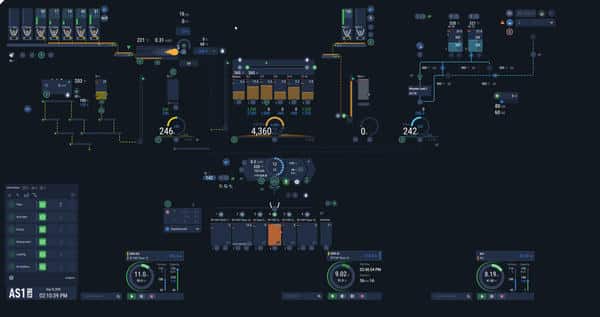
Here we see the Ammann as1 controls working with a UniBatch plant in Tennessee. A spokesperson for the company stated the controls system can also be retrofitted to any style of older plant “as long as the computer hardware is also upgraded to handle the software. In some cases, it may also require some new electrical work.” Photo courtesy of Ammann Group NA
Petrie has seen customers focus first on controls, automation and the screen deck to accommodate continuous mix production, but, again, this is a market-driven decision to be made with a consultant on board. “I think one of the most creative upgrades and approaches that can be done to a batch plant is introducing continuous mix production and allowing the flexibility between both,” Petrie said. “This can allow a manufacturer to still make the specialty mix production that the smaller private customers demand but not have the necessary wear on the batch plant equipment that is typically seen. This opens up the ability to cater to more customers as well as reducing waste.”
Whichever way the batch plant owner is leaning as he contemplates growth, upgrades can be as simple and undisruptive as right-to-repair maintenance or as complex as adding on the continuous drum ideas suggested herein. As sources point out, starting with a walk-through of the plant and its existing electrical and mechanical systems will go a long way to giving you a picture of the foundation you’ll be building upon and controlling into the future.
Ask the Experts
The experts who took the time to contribute to this article ascribe to The Asphalt Pro theory that all boats rise with a rising tide. They have years of experience to share and can be reached:
Ammann Group NA | www.ammann.com
Astec Industries | www.AstecIndustries.com
Michael Petrie at Motion Engineering | (414) 510-6097, mike@motionengineering.net
Mike Mauzy at Reliable Asphalt Products | (502) 529-9043, M.Mauzy@ReliableAsphalt.com
Llew Williams at Stansteel Hotmix Parts & Service | (502) 860-2997, lwilliams@stansteel.com
Mike Raasch at WEM Automation | mraasch@wemautomation.com