Duininck and CWMF Partnership Commissions New Plant Ahead of Centennial
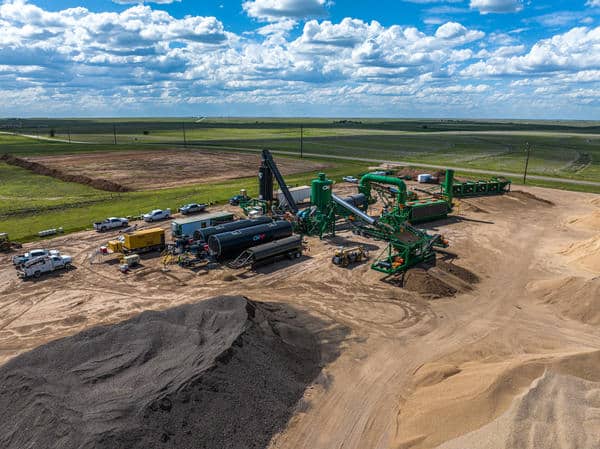
Duininck celebrates 100 years with newly commissioned portable counterflow plant in Texas
In 2024, Duininck commissioned a new 350-ton-per-hour (TPH) portable counterflow asphalt plant in Texas—their first of its kind. For most contractors, a new plant build is about efficiency, mobility, or production capacity. For Duininck, it was all of that—and a return to a partnership grounded in trust, flexibility, and shared values built over more than 30 years.
Editor’s Note: Duininck was founded in 1926 when three entrepreneurial brothers started a road construction business in Prinsburg, Minnesota. In keeping with AsphaltPro’s anniversary celebrations this year, we wish the Duininck team a Happy Centennial!
History of an Industry Relationship
The relationship between Duininck and CWMF traces back to the early 1990s, when a problematic baghouse order from another vendor brought together Harris Duininck, second generation owner, and Loren Mick, founder of CWMF. Loren stepped in to help resolve the issue, and sparked a working relationship built on service, accountability, and mutual respect.

Harris Duininck (at left) and Loren Mick (with his canine companion) forged a partnership in trust and mutual respect, which has lasted over 30 years.
Travis Mick, vice president at CWMF, remembers those early days clearly. “Harris and my dad were like oil and water at first—very different personalities—but somehow it worked. They ended up building a real friendship grounded in respect, even if they didn’t always agree.”
Even after Loren’s passing, the personal connection remained. “Harris stayed in touch and shared stories about the two of them working together,” Travis added. “That kind of legacy says a lot, not just about companies, but about people.”
Duininck’s Texas roots go back to 1985, when challenging business conditions in Minnesota prompted expansion south.
Chris Duininck, president of Duininck Minnesota, has watched that trust carry forward. “What started between Harris and Loren evolved naturally as both companies grew,” Chris said. “As we matured, the partnership carried through to our teams at every level.”
In 1999, Duininck commissioned CWMF to build a complete asphalt plant from the ground up, which was an experience that set the tone for future collaboration.
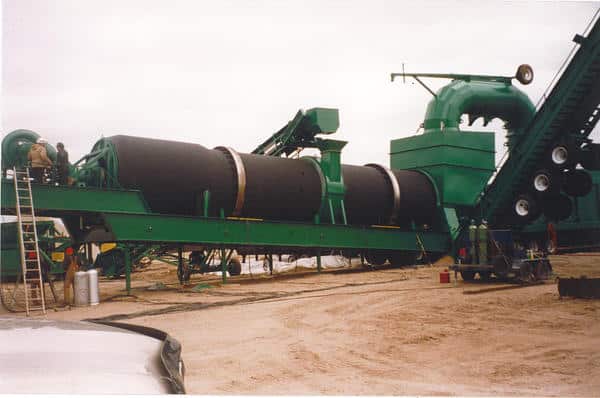
In 1999, Duininck commissioned CWMF to build a complete asphalt plant from the ground up. “What stood out was that they were fair on pricing, and the product quality was exceptional,” Chris said. “Word spread internally, and our Texas operation eventually began using CWMF for components and parts.” That confidence spanned decades. By 2024, when Duininck evaluated how to support growing demand in Texas, CWMF was a natural choice.
Growing Across State Lines
Duininck’s Texas roots go back to 1985, when challenging business conditions in Minnesota prompted expansion south. Fifty families relocated from Prinsburg, Minnesota, helping launch the Texas division, while Harris Duininck remained in Minnesota guiding diversification and growth at home.
Timeline Snapshot
1985: Duininck launched its Texas division and 50 families relocated from Prinsburg, Minnesota
2024: The new portable counterflow plant was commissioned in Texas
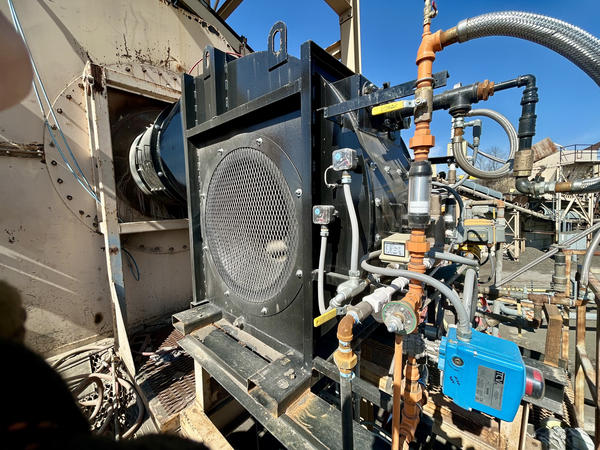
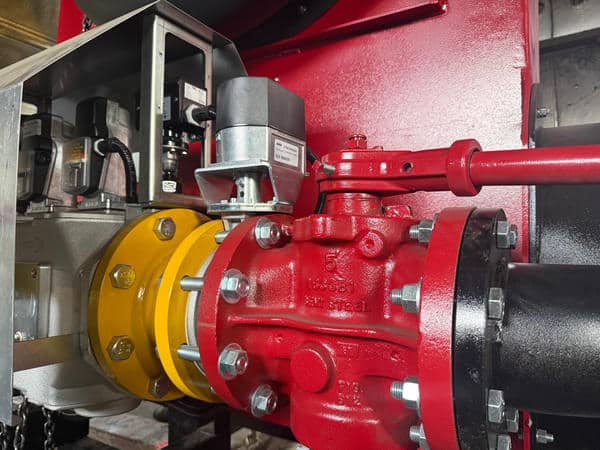
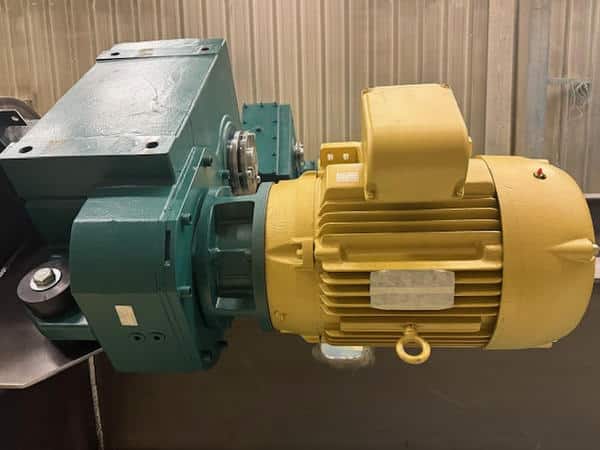
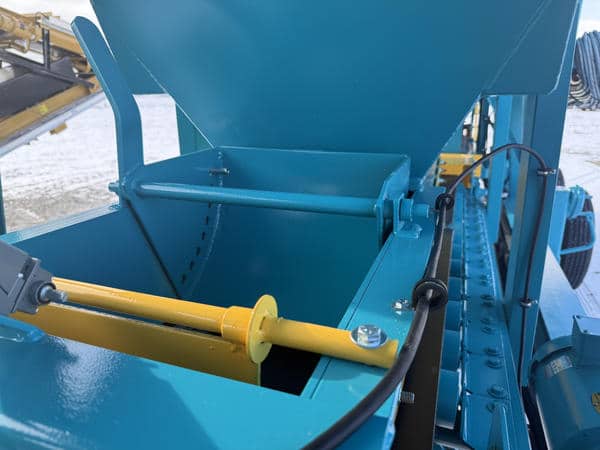
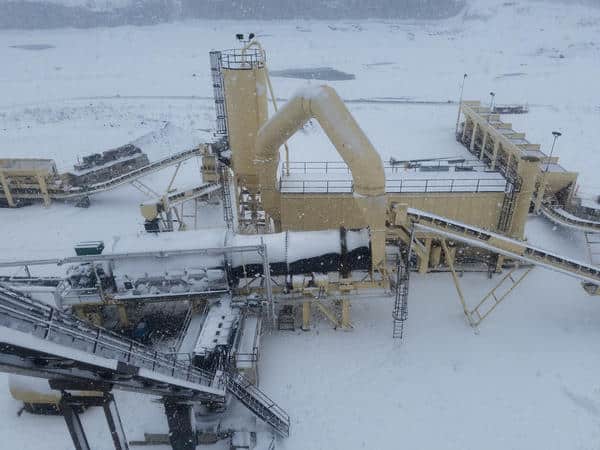
Today, Duininck operates asphalt plants in both regions, shifting crews as seasons change and investing in equipment that supports large-scale, geographically dispersed projects. For Texas, flexibility was critical, and Duininck selected a 350-TPH portable counterflow plant to support its Texas operations in the early 2020s. It was commissioned in 2024. (See sidebar for details.)
“With a market defined by long haul distances and decentralized projects, mobility matters,” Chris explained. “A portable plant allows us to bring production closer to major highway and municipal work, reducing transport time, fuel use, and cost—without compromising quality.”
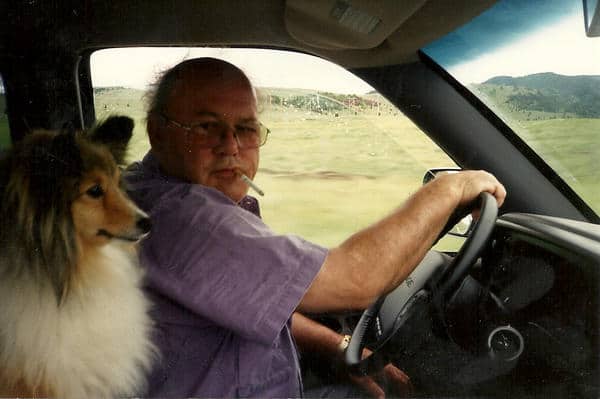
Harris Duininck (at left) and Loren Mick (with his canine companion) forged a partnership in trust and mutual respect, which has lasted over 30 years.
The 350-TPH counterflow system delivers the output required for major infrastructure projects while maintaining tight temperature control and efficient fuel use, which are key factors in Texas’ high-heat paving environment.
“Our experience led us to partner with CWMF to build a plant suited to our needs,” Chris added. “The last complete plant we purchased was more than 20 years ago, and the timing was right to deploy additional resources in the market.”
After three decades, the partnership operates without complexity.
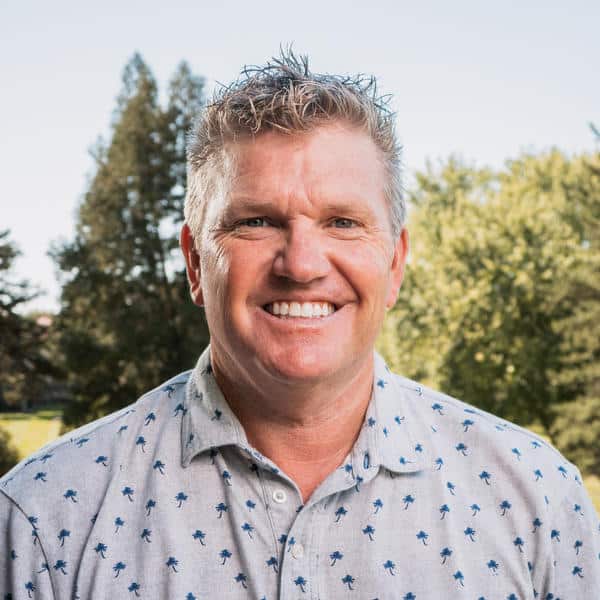
Chris Duininck is the president of Duininck Minnesota.
“A lot of our deals have been done on a handshake,” Chris said. “It all comes down to trust—trusting each other to get the job done and meet commitments.”
From CWMF’s perspective, that familiarity leads to better solutions. “When you know a customer this well, you understand what matters most to them,” Travis said. “That allows us to recommend equipment and configurations that truly support how they work.”
Both companies point to people as the foundation of quality work.
“Our employees take pride in their workmanship and in representing the company well,” Chris said. “There’s real satisfaction in supporting a family business and recommending them across the industry with confidence.”
“That connection matters,” Travis added. “People work harder for people they trust, and that’s been true at every level of this partnership.”
CWMF, now a legacy brand within Astec, reinforces the long-term strength of customer relationships like Duininck’s, providing scale and stability behind the products and values that have earned trust over decades.
More than 30 years in, the Duininck–CWMF relationship isn’t just about equipment. It’s about consistency, accountability, and building for the long haul, one plant at a time.
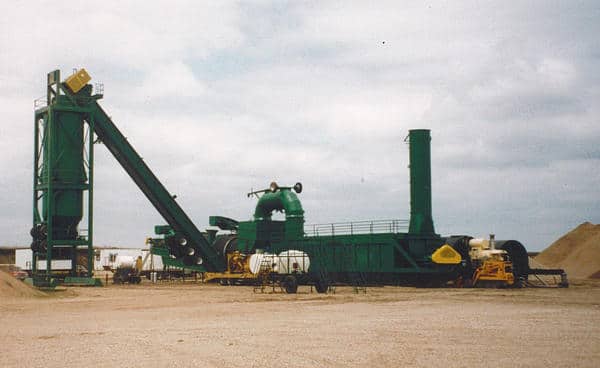
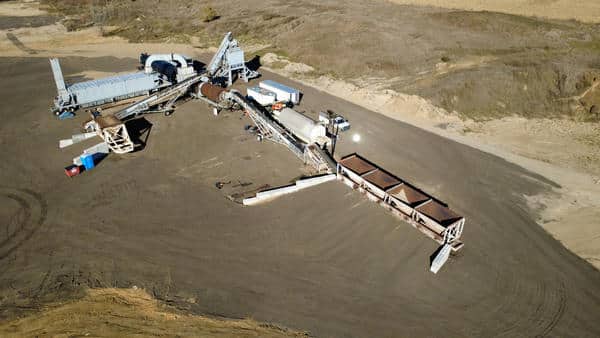
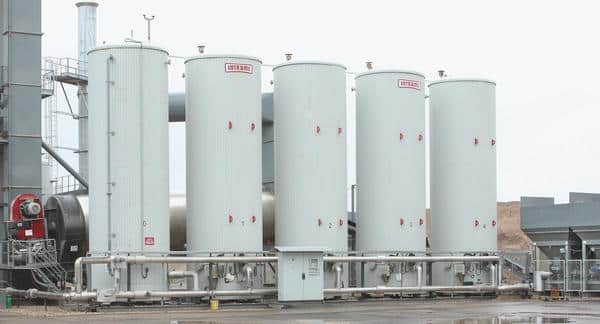
The older plant, seen here in 1999, exemplifies Duininck’s approach to prioritizing innovation, recycling, and responsible growth—positioning the company to meet expanding infrastructure demand while delivering durable pavement solutions that serve communities for decades.
Why Duininck Chose a Portable Counterflow Plant for Texas Operations
Plant Type: 350 TPH Portable Counterflow Asphalt Plant
Location: Texas
Built By: CWMF
Commissioned: 2024
Duininck selected a 350-TPH portable asphalt plant to support Texas operations defined by long haul distances and decentralized job sites. Mobility allows production to move closer to large highway and municipal projects, reducing transport time, fuel consumption, and overall cost while maintaining consistent mix quality.
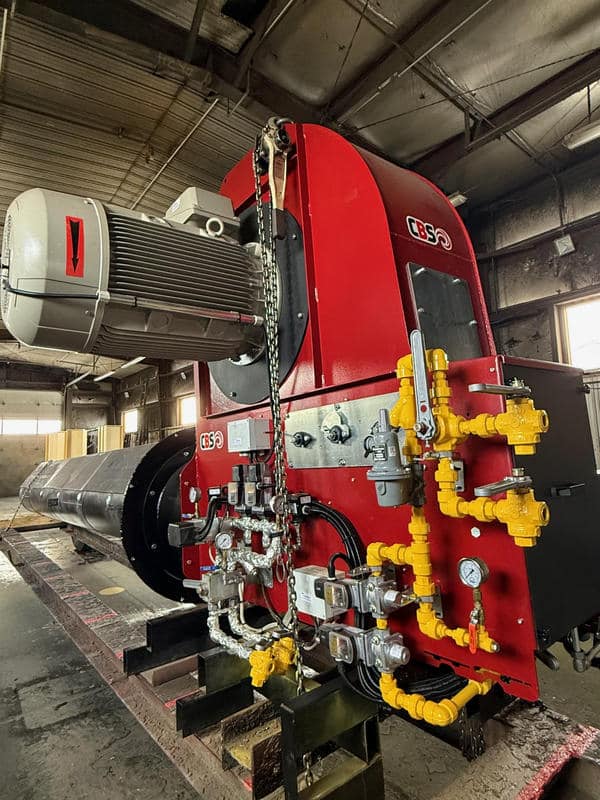
Counterflow technology was the preferred choice due to its ability to meet both performance and environmental expectations. By moving aggregates opposite the exhaust stream, the system is designed to maximize heat transfer, improve fuel efficiency, deliver tight temperature control, and reduce emissions, which management saw as critical advantages in high-temperature paving environments.
The system supports Duininck’s production target of 350 TPH, aligning with the scale of heavy civil and municipal work common across Texas. Its ability to integrate high volumes of recycled asphalt pavement (RAP) also supports sustainability goals while lowering material costs.
Mix Design: Minnesota vs. Texas
Minnesota
- Focus on freeze-thaw durability
- Softer binders (PG58-34)
- Higher recycled content
- Rounded glacial aggregates
- Emphasis on crack resistance and long-life pavement
Texas
- Built for extreme heat and heavy truck traffic
- Stiffer binders (PG70-28/PG76-28)
- Angular limestone and granite aggregates
- Dense-graded structures for rut resistance
Shared Direction, Sustainability
Both regions are expanding balanced mix design (BMD) programs, blending volumetric targets with performance-based testing to meet durability expectations across climates.
Duininck’s operational and sustainability strategy centers on smart material management—locating plants near job sites, sourcing aggregates locally, and reclaiming and recycling asphalt whenever possible. Recent projects, such as reprocessing materials at Willmar High School, have demonstrated both environmental benefits and meaningful cost savings.