Echelon Paving Powers APEX Motor Club Expansion

Sunland Adds to APEX Motor Club with Quality Echelon Asphalt Paving

The high-speed world of motorsports demands world class precision, performance and durability. At Sunland Asphalt & Construction, LLC, Phoenix, we embraced these principles when we took on the development of the second circuit at the APEX Motor Club track in Maricopa. Spanning from August 2024 to February 2025, this project represents an incredible milestone in Arizona’s racing landscape.

The transformation of undeveloped farmland into a high-performance racetrack required extensive engineering and meticulous attention to detail in planning. Phase two took place from August 2024 to February 2025.

Transforming Dream Into Reality

The transformation of undeveloped farmland into a high-performance racetrack required extensive engineering and meticulous attention to detail in our planning. Grading was a critical component, with 138,960 cubic yards of material cut and 121,163 cubic yards of fill placed to shape the building pads, retention basins, multiple track sections, runoff areas and paddocks.

Huron Capital’s Platform Sunland Asphalt Acquires Georgia Paving

For the track’s foundation, an 8-inch layer of Aggregate Base Course (ABC) was placed and finish graded before receiving a 2.5-inch application of ½-inch asphalt—meaning ½-inch nominal maximum aggregate size (NMAS). The track itself was surfaced with 1.5 inches of a 3/8-inch Special Mix for the wearing course, ensuring superior grip and durability. Our use of echelon paving—simultaneously running three pavers—was key to achieving a seamless, high-quality racing surface.

A binder course of 2.5 inches of ½-inch material required 100% of the aggregate should pass through the ¾-inch sieve. The surface course of 1.5 inches of 3/8-inch Special Mix required 100% should pass through the ½-inch sieve.

“During echelon paving, we utilized three material transfer vehicles (MTVs): two Weilers and one Roadtec Shuttle Buggy,” said Greg Hughes, our project manager – Public Works. “Paving operations were carried out using three Vogele Super 2000-3i pavers. Paving this way almost eliminates any joint and acts as one continuous mat. The slope of the track was minimal, so additional support equipment was not required during rolling operations.”

“At the transverse joints, we used a 12-foot straightedge to check for flatness and made necessary adjustments to maintain levelness. Along the outer edge tie-ins, we aligned the screed to match the elevation of the existing asphalt for a seamless transition.”—Greg Hughes

Race to Resurface F1 Track

A Track Built for Enthusiasts

APEX Motor Club, now owned by RJT Capital, is more than just a racetrack; it’s a haven for speed enthusiasts. Strategically located to serve Phoenix, Tucson, and even cities like Los Angeles and Albuquerque, this circuit caters to drivers who demand the best. Every detail, from the material selection to the construction techniques, was geared toward delivering a world-class racing experience.

The two sections of the track Sunland has now completed can be run independently or combined into a single 4.7-mile configuration for racing.

The track’s continuity with Phase 1, which we paved in 2018, was another highlight of this project. Ensuring seamless integration required exceptional precision in tie-in joints and elevations. The result is Arizona’s longest motorsports track—a continuous circuit designed to push limits and set new standards in high-performance driving.

“The original track measured 2.27 miles, while Phase 2 added an additional 2.43 miles,” Hughes shared. “These two sections can be run independently or combined into a single 4.7-mile configuration.”

Traffic Control Success on Mesa’s US-60 Corridor

Precision Paving at it’s Best 

One of the most demanding aspects of this project was achieving the track’s stringent surface tolerance. That quality started at the base.

“To ensure grade tolerance, our blade utilized GPS technology to follow the project-specific model accurately,” Hughes explained. “At the transverse joints, we used a 12-foot straightedge to check for flatness and made necessary adjustments to maintain levelness. Along the outer edge tie-ins, we aligned the screed to match the elevation of the existing asphalt for a seamless transition.”

Echelon paving, which was crucial to ensuring consistent quality across the track’s 42- to 50-foot width, can have many complex logistical challenges in coordinating multiple paving machines and maintaining uniform asphalt application.

Project Foreman Isidro Lopez was one of the key figures in bringing the project to life. He stated, “Spending time with family is my favorite way to unwind,” but on the job, he played a vital role in delivering the precision the track required.

“Since GPS technology was used to establish the desired grade during preparation, we paved using a 2D control system,” Hughes explained. “Each paver was equipped with 30-foot paving skis, which helped maintain consistent depth and alignment. The skis function as a leveling system by averaging the surface over their full length, effectively smoothing out minor grade variations. Additionally, the second lift served as a corrective layer, addressing any imperfections remaining in the base course.”

Additionally, Sunland installed 4,850 feet of concrete curbing designed specifically for APEX, improving both functionality and aesthetics. Our team also constructed a 100-foot by 85-foot box culvert and 1,020 feet of cut-off walls to manage water flow and enhance track stability, ensuring optimal performance under diverse conditions.

A binder course of 2.5 inches of ½-inch material required 100% of the aggregate should pass through the ¾-inch sieve. The surface course of 1.5 inches of 3/8-inch Special Mix required 100% should pass through the ½-inch sieve.

Key Partners

This project was a collaborative effort, made possible by our trusted subcontractors:

  • Solterra Materials supplied the high-performance, polymer-modified asphalt, ensuring superior grip, durability, and smoothness. Led by Michael Thompson, Solterra’s expertise in asphalt production and logistics was instrumental in maintaining project timelines and quality.
  • Vital Contracting, under the leadership of Stephen Boyd, executed all earthwork operations, delivering near-perfect tolerances essential for racetrack construction.
  • CMT Technical Services, headed by DJ Peters, ensured compliance with rigorous material testing standards, performing geotechnical evaluations, density testing, and asphalt mix verification.

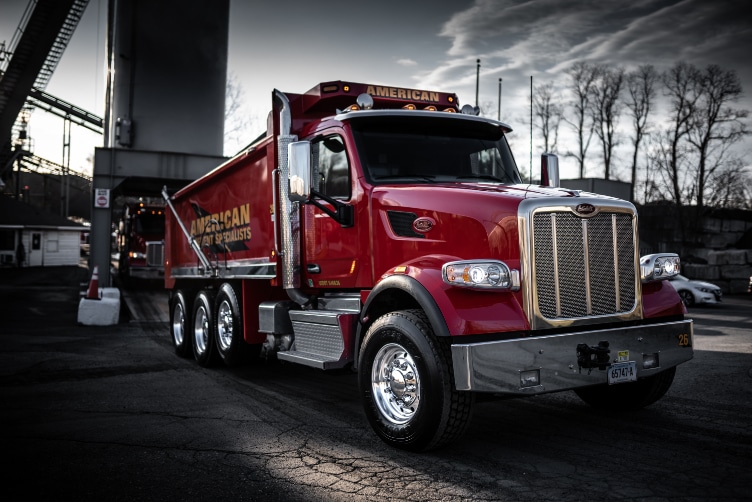
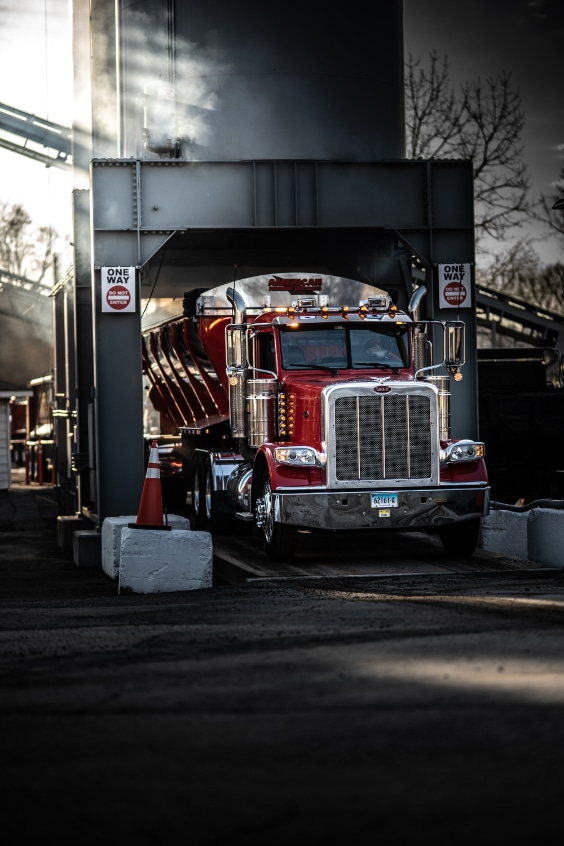
A truck has completed loadout at the Solterra Materials plant and is ready to take a load of mix to the APEX Motor Club track project.

Spotlight on Isidro Lopez

One of the key figures in bringing this project to life was Isidro Lopez, project foreman at Sunland Asphalt. With years of experience in the industry, Lopez played a vital role in delivering the precision required for a world-class track. He stated his favorite aspect of this job was, “Seeing the owner’s excitement when we finished—it was like kids opening Christmas gifts.”

Project Foreman Isidro Lopez was one of the key figures in bringing the project to life. He stated, “Spending time with family is my favorite way to unwind,” but on the job, he played a vital role in delivering the precision the track required.

The most memorable day for Lopez was, “Reaching the end of the track on that final day of paving—everyone was thrilled to achieve the end goal.”

“Seeing the owner’s excitement when we finished—it was like kids opening Christmas gifts.”—Isidro Lopez

A Legacy of Excellence 
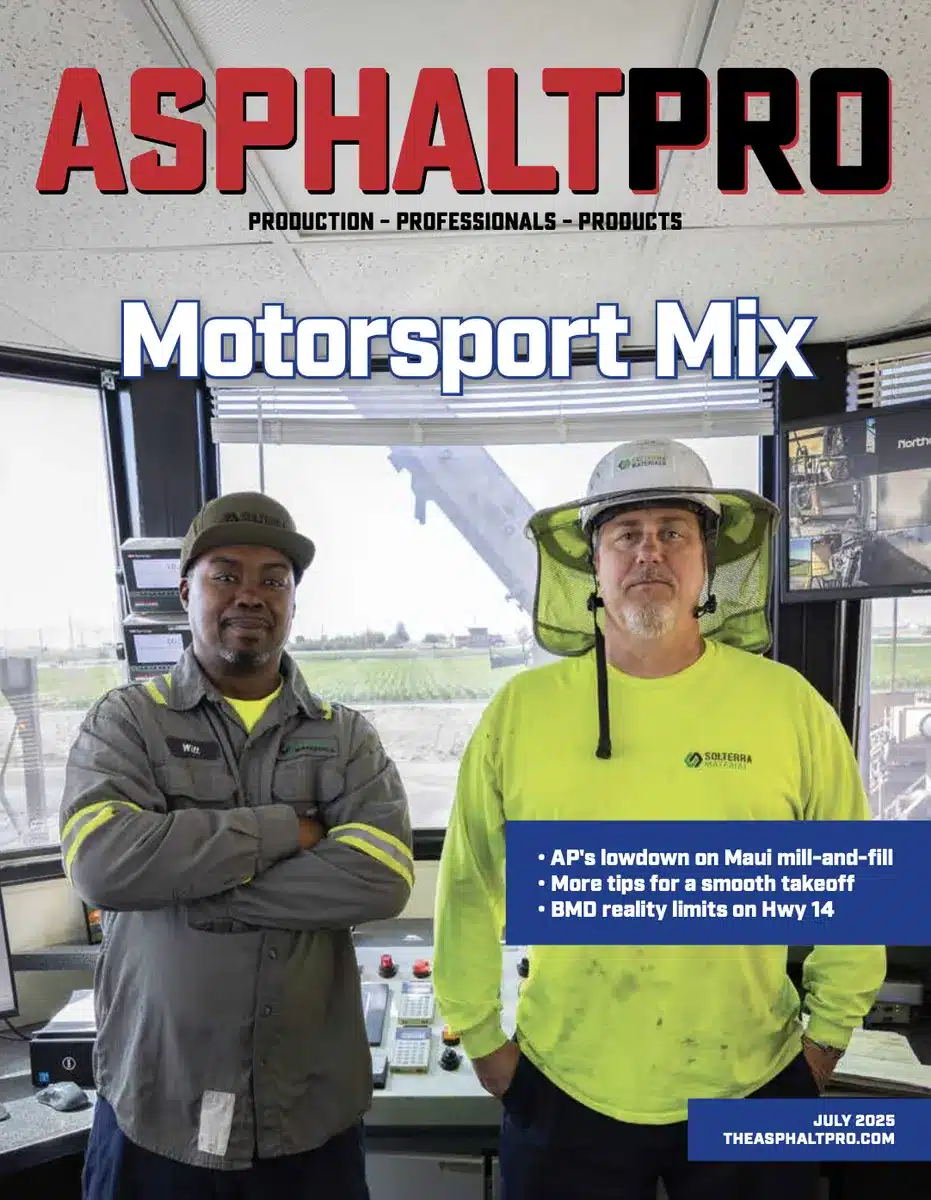
On this issue’s front cover, from left to right, Will Morrison is the asphalt plant operator for the Coolidge site and Matt King is an asphalt plant foreman for Solterra Materials, the company that supplied the high-performance, polymer-modified asphalt for Sunland’s APEX project.

Sunland Asphalt & Construction’s commitment to precision and innovation continues to drive our success. The completion of APEX Motor Club Phase 2 marks yet another milestone in our legacy of delivering top-tier asphalt solutions. From engineering complexities to flawless execution, this project exemplifies our expertise in high-performance paving—ensuring that APEX remains the premier destination for automotive enthusiasts across the Southwest.

For those who live life in the fast lane, APEX Motor Club is ready. And Sunland Asphalt & Construction is proud to have paved the way.


Immanuel Martinez brings 20+ years of experience managing complex construction projects, pioneering 3D paving innovations, and leading high-performing teams across public and private sectors. To learn more about Sunland, visit sunlandasphalt.com and check out past articles on TheAsphaltPro.com.

ShoulderMaster Expands U.S. Manufacturing for Paving Attachments

In 1987, Craig Pinson joined the civil construction industry in Australia. He built a successful road construction business, Stabilcorp Pty Ltd, headquartered in Wauchope, New South Wales, performing road patching, asphalt paving, concreting and stabilization projects on the regular. But Pinson wasn’t meant to stay in the field. As contractors know, sometimes the best road to innovation is necessity and Pinson needed a piece of equipment to assist in road widening and roadway shoulder repair; something he wasn’t finding in the marketplace. He designed and manufactured the item he needed and built a company called ShoulderMaster to support it.

“In 2015, the ShoulderMaster SM1500 was designed out of necessity and the prototype was developed as a universal skid steer attachment for rehabilitating and widening the shoulder of roads,” shared Ashleigh Pinson, Craig’s daughter and head of brand for ShoulderMaster. “The ShoulderMaster shoulder paving attachment offers a cost-effective and efficient solution for the repair of deteriorating roadway edges, delivering high returns relative to cost and driving road repair budgets further and improving operator safety.”

To this day, the Pinson family is made up of contractors at heart.

“Craig transitioned from his very successful road construction business Stabilcorp Pty Ltd in 2015 to focus on his new passion in manufacturing,” Ashleigh shared. “Craig is a proud father having both his adult children working closely by his side. His son Brendan continues to run his very successful civil construction business, Stablicorp Pty Ltd, and has a lot of input to the design and development of new and existing products in ShoulderMaster. [I am] head of brand for ShoulderMaster looking after sales, marketing and dealer relationships in both Australia and the United States.”

That’s right—ShoulderMaster expanded its manufacturing to the United States in 2023.

“We listen to what our customers want and need,” Craig shared. “Having a quality made product is important to Americans so that is why we now manufacture on U.S. soil. Now made in Nevada, Iowa, our manufacturing partner ALMACO is a high-tech R&D and manufacturer under single-family ownership for over 150 years.”

With manufacturing in the United States comes distribution and the ShoulderMaster team partnered with a select group of John Deere dealers, including Finke Equipment, Murphy Tractors, James River Equipment, Pape Machinery and Doggett.

“We use a lot of John Deere products ourselves in our civil construction company Stabilcorp back in Australia and trust the John Deere brand with both company values aligning,” Craig shared. “We are big on quality, reliability and aftercare service, which John Deere Dealerships are second to none.”


The dealer relationship began with Finke in 2020.

“Yes, Finke Equipment in Selkirk, New York, was our first dealer partnership in the United States, which began just before Covid threw a spanner in the works, putting everything on hold until 2023.”

The family’s passion for creating industry innovations is born from over 35 years working in the industry. ShoulderMaster now proudly designs and manufactures innovative road construction equipment in Australia and the United States.

What began in 2015 as a combination of industry experience and innovation led ShoulderMaster to develop Australia’s first universal skid steer/wheel loader shoulder paving attachement—the ShoulderMaster SM1500. Since then, the company has expanded its R&D program to provide a fleet of purpose-built road-building equipment currently operational across Australia, the United States and the United Kingdom. The partnership begun in 2023 with ALMACO in R&D and manufacturing sets the companies up for growth.

ShoulderMaster was one of 430 exhibitors at WOA/AGG1 in March 2025 where the company unveiled its new CP1000 center paver attachment. You’ll find that item, as well as other cool pieces of iron, software platforms and services available to the paving and pavement maintenance industry in the product gallery to follow.


After the WOA unveiling, show attendees got up close to see the features of the “world first skid steer center paver” from ShoulderMaster. Photo courtesy of AsphaltPro Staff

ShoulderMaster, with global headquarters in Wauchope NSW, Australia, launched the CP1000 center paver March 25 during the World of Asphalt trade show. The manufacturer states this universal skid steer attachment is “perfect for utility trenches and micro patching.”

The CP1000 includes a wireless remote-control system and built-in cameras. It handles various thicknesses and widths of material—the screed width is 12.5 to 40 inches. The hopper capacity is 88 cubic feet and can be charged by a truck.

For more information, visit www.shouldermasterus.com or contact Tommy Tomlin at (515) 520-0653.


https://theasphaltpro.com/ammann-plate-compactors-apr-52-75-58-75/

https://theasphaltpro.com/astec-siteline-camera-system/

https://theasphaltpro.com/automated-flagger-assistance-devices-awp-safety/

https://theasphaltpro.com/self-leveling-cold-planers-blue-diamond/

https://theasphaltpro.com/bomag-cr-820-t2-paver-launch/

https://theasphaltpro.com/single-drum-roller-simulator-training-cm-labs/

https://theasphaltpro.com/case-dv26e-ep-compactor/

https://theasphaltpro.com/densoband-asphalt-joint-sealer/

https://theasphaltpro.com/realtime-density-scan-asphalt-compaction/

https://theasphaltpro.com/pavewise-density-plus-specchat-ai/

https://theasphaltpro.com/sakai-echelon-mode-guardman-system/

https://theasphaltpro.com/accu-bead-flow-sensor-road-striping/

https://theasphaltpro.com/non-nuclear-asphalt-density-gauge-pqi380-plus/

https://theasphaltpro.com/rbm300-bitumen-applicator-transportation-products/

https://theasphaltpro.com/volvo-dd15-electric-asphalt-compactor/

WOA/AGG1 2025 Highlights Workforce and Equipment Advances

WOA/AGG1 wrap-up offers highlights from asphalt and aggregate trade show in St. Louis

Even if you attended the 2025 co-hosted World of Asphalt Show & Conference (WOA) and AGG1 Aggregates Academy & Expo in St. Louis March 25-27, you probably missed a technology or two due to the overwhelming number of offerings on site. This recap of the show won’t be able to summarize every single thing available to the asphalt and aggregates professional that week, but AsphaltPro Magazine has multiple product galleries coming up over the next few months in which you can find new product news straight from the combined shows. Let’s kick off the coverage with a look at some important updates.

Helping the Workforce

Asphalt professionals have sought solutions to the workforce challenge for years, with the introduction of proxy mechanics as far back as 2018 (see this discussion in the Training Directory 2018 on TheAsphaltPro.com) through the introduction of artificial intelligence (AI) assisting intelligent compaction (IC) in 2024 (see this discussion in the “NDDOT Trials New Technologies on Hwy. 14” article). Methods for training and assisting our evolving workforce dotted the WOA/AGG1 tradeshow floor.

NDDOT Trials New Technologies on Hwy 14

For example, the growing portfolio from CM Labs, a vendor for simulation-based training solutions in the construction, utilities and ports industries, announced prior to WOA the launch of its Intellia Single Drum Roller Simulator Training Pack, which it states is the industry’s first-ever single drum roller simulation training. It’s designed to address the growing labor shortage by delivering a highly realistic training experience tailored to beginners who have no prior experience operating heavy equipment. This training module was on display at WOA and is described in this month’s product gallery.

Training took place in the education sessions and around the show floor. AsphaltPro Magazine once again hosted its “Ask the Expert” with American Paving Specialists’ Bill Stanley in the hot seat. Attendees could stop by the AsphaltPro booth and fire their questions and quandaries at Stanley for the hour that he was available. That popular series returns to CONEXPO-CON/AGG 2026 with an impressive lineup already signing up over the five-day show to offer answers for paving, production, safety and QC/QA, so watch this space for details.

Asphalt Plant, Paving and QCQA Training in 2018

For contractors seeking a way to augment a “green” workforce, exhibitors had offerings in the AI space, as well. GSSI and Hamm have collaborated on aspects of the Hamm Smart Compact system to assist roller operators in perfecting compaction no matter the operator’s skill level. And the engineers at Sakai have added echelon rolling to its Guardman™ technology for safeguarding equipment and personnel. All of these teams were on hand to discuss the benefits of implementing these systems to help the new—and veteran—workers on the crew, and some of those benefits are outlined in this month’s product gallery.

Show management reported more than 11,500 industry professionals gathered in the America’s Center Convention Complex, stating in a March 27 press release that 59% of total attendees were under the age of 45, reflecting the positive future of the industry. Additionally, 10% of attendees were women, underscoring this growing segment of the industry. Visitors traveled from across the country and abroad, some traveling as far as Australia, England, Argentina and Mexico to take part in the leading asphalt and aggregates trade show and conference, including a special delegation from Nigeria.

The 2025 WOA/AGG1 event featured a record amount of square footage, including a new feature called the Community Zone. “This success is a direct result of the collaboration and hard work of all our partners, exhibitors and staff,” said World of Asphalt Show Director Brittany Schmidtke. “The momentum and growth in the asphalt and aggregates industry is evident by what we saw exhibited on the show floor and ultimately provided a richer experience for our attendees.” Photo courtesy of the Association of Equipment Manufacturers’ WOA website

Attendees engaged in more than 120 educational sessions through the People, Plants, and Paving and AGG1 Academy. These conferences covered a wide range of topics essential to the asphalt and aggregates industries. AEM reported a few of the most popular sessions included “Lean Principles: It’s About People, Process & Change,” “Unleashing the Power of Intentional Leadership: Leading Yourself to Lead Others,” “Autonomous Quarry Trucks 101,” “Extreme Ownership for Business and Life,” “Laydown Best Practices” and “Compaction 101: Doing the Right Things, the Right Way.”

Multi-Tasking at WOA

In addition to education and equipment, the co-located shows offered a venue for networking and business meetings. For example, a new feature of the show this year was the Community Zone, which provided a dedicated space for attendees to relax, work and network. The Community Zone included presentations, such as one from Ashley Batson of the Women of Asphalt, and a book signing by Ajax Paving’s Vince Hafeli.

“The 2025 AGG1 and World of Asphalt show offered the increased ability for exhibitors and attendees to connect—from the Community Zone area, to the larger show floor space and media one-on-one opportunities,” said Michele Stanley, interim CEO of NSSGA. “Every year the event becomes better with new innovations and updates. We are proud to offer our NSSGA members this unique meeting environment so they can continue to reach their own business goals.”

Show management shared 10% of show attendees were women, underscoring that growing demographic in our industry. On March 26-27, the Women of Asphalt organization hosted its Women of Asphalt Day, during which industry professionals presented career and motivational information for the men and women who’d registered to attend this conference-within-a-conference. Also at the show, the AsphaltPro staff had the opportunity to meet with WofA leadership to make plans to support the group’s important work into the future. From left: Cara Owings, media sales representative of AP; Sarah Redohl, digital editor for AP; Brittyn Heisler, national executive director of WofA; Sandy Lender, editor of AP; Ashley Batson, chair of the board of directors for WofA. Photo courtesy of Rapport Storytelling

And speaking of NSSGA, the association’s annual convention ran concurrently with AGG1. More than 600 aggregates industry leaders convened in St. Louis for the meeting, which featured the announcement of the 2025 NSSGA Leadership including Board Chair Ted Baker II of Blue Water Industries and the presentation of the Barry K. Wendt Memorial Commitment Award to Ward Nye of Martin Marietta. The annual membership meeting keynote was a moderated discussion by football legend Archie Manning. This year’s meeting comes as the association marks its 25th anniversary.

The first general session of the NSSGA Annual Convention March 23-26 featured Dr. Helena Boschi, an internationally recognized psychologist and neuroscientist specializing in the application of brain science to the workplace.

Women of Asphalt also hosted a conference-within-a-conference with the second annual Women of Asphalt Day. Women and allies from across the country participated in special programming and networking activities.

CM Labs’ Intellia Single Drum Roller Simulator Training Pack features a comprehensive nine-exercise curriculum designed to build a strong foundation in operating heavy equipment. Image courtesy of CM Labs

“We’ve talked to a lot of women,” said Silver Star Construction’s Trish Morris, who’s opening an Oklahoma branch of Women of Asphalt. “A lot of men have come by and grabbed our cards so they can get their team members signed up. I think it’s great they’re willing to take that step and get their ladies involved as well, even if they’re not here.”

Aside from conferences, attendees could multi-task with receptions and networking. For the second year in a row, Raised on Blacktop and WOA collaborated to host a sold-out kick-off party. Also sponsored by Wirtgen and a handful of others, the event brought together nearly 400 asphalt professionals at Busch Stadium, the iconic home to the St. Louis Cardinals, to build relationships and excitement the night before the show’s opening.

Contractor’s New Museum Offers Glimpse of Route 66 History

On the first day of the show, a handful of guests visited Campbell’s Service Station, owned by a local contractor and celebrating the historic Route 66. Check out the article “Contractor’s New Museum Offers Glimpse of Route 66 History” in the March issue for details and send your stories about preserving the iconic roadway to sandy@theasphaltpro.com.

Attendees enjoyed the Rock & Road Reception where a relaxed atmosphere allowed for networking on the show floor on Wednesday evening. It featured live music, mascots from the St. Louis Cardinals and St. Louis Blues, and treats from roaming characters. Another group of guests attended the EdgeVanta and Gearflow happy hour event at the nearby Buddy’s Wine Bar & Bistro. Everyone was welcome to attend the relaxed happy hour in the Stansteel Hotmix Parts & Service booth as well. Basically, attendees had ample opportunity to unwind with new and established friends amid the crush to gather information and business tips.

Save the Date for 2027! Next year CONEXPO-CON/AGG takes place in Las Vegas, but WOA and AGG1 co-locate in New Orleans March 15-17, 2027.

The Remix™ kiosk at the Astec Industries booth showed the almost imperceptible differences between Cold Central Plant Recycling (CCPR) and traditionally produced asphalt. Photo courtesy of AsphaltPro Staff

Get More Tons

Of course, the name of the game at a show like WOA/AGG1 is to see the iron and learn what new technology will help your bottom line. AEM reported the exhibitors unveiled new products, partnerships and advancements at a record 19 press events.

One of those unveilings took place at the ShoulderMaster booth on the first day of the show. This family-owned company introduced to the industry its center paving attachment for skid steers, the CP-1000, which is detailed in this month’s product gallery. Also check out the family’s story at the beginning of this month’s gallery.

Volvo Construction Equipment showcased during its press conference enhancements to its soil and asphalt compaction product lines with upgrades to multiple models and a forthcoming electric model. Show attendees also got the first look at a DD15 electric asphalt compactor.

IntelliShift unveiled its advanced asset-tracking technology. The system allows companies to monitor equipment location, track utilization and idle time, and mitigate theft and misuse.

Metso unveiled the Nordberg® HPe™ range expansion and aftermarket kits for the new HPe range. The company also celebrated a major milestone, the 40th anniversary of the Lokotrack® mobile crushers.

While the company didn’t host a press conference, Astec Industries had a few updates and official launches to share. Its SiteLine™ operator environmental awareness camera system for its cold planers was previewed at the 2024 WOA show and launched this year. Another stand-out item was the IntelliPac™ Moisture System, which is now compatible with RAP in addition to virgin aggregates.

Asphalt Drum Mixers (ADM), Huntertown, Indiana, displayed a brand-new EX 8845 asphalt plant in its booth. Because bigger plants can bring bigger profits, ADM EX Series asphalt plants are designed to produce up to 425 TPH and handle up to 50% RAP to meet producers’ high-capacity production needs. The EX 8845 features an 88-inch drum diameter and 45-foot drum length. Like all EX Series plants, it provides long aggregates drying and mixing times to offer consistent, quality asphalt.

Across the aisle from ADM, fellow FAYAT family member BOMAG premiered its new BD 2000 asphalt distributor and new CR 820 T-2 rubber track paver. The distributor offers an automatic burner and computer-controlled distribution. The paver features a 173-horsepower diesel engine and a new operating system for each console to provide easy viewing of critical operations. The BOMAG WOA display also included:

  • BOMAG CR 1030 T-2 highway class paver with VERSA 20 front-mount screed
  • BM 2200/65 cold planer 2-meter class mill
  • BM1200/35-2 cold planer with maximum 13-in (330.2-mm) milling depth
  • BW 28 RH pneumatic tire roller with large ballast compartment
  • BW 120 AD e-5 Electric light tandem roller with electric drive

While WOA attendees could see the Honey Badger and Tremor Shaker from CWMF Corp., Waite Park, Minnesota, on display, they also had the chance to pick up information on CWMF’s newly branded Dust Pilot reverse-flow baghouse. This baghouse features precision airflow control, an advanced inertial separator and CWMF’s unique indexing wheel mechanism.

Eagle Crusher, Galion, Ohio, also introduced something new at the show: its next generation 1200-CC portable crushing and screening plant. Its new features include a redesigned return conveyor, a new fully hydraulic side discharge conveyor, a self-lowering control panel, and an available onboard cross-belt permanent magnet that stays on for transport.

This quick overview of WOA/AGG1 offerings showcases the vast array of iron and technology that was on display. We’ll have opportunities to share more in future issues of AsphaltPro and we look forward to hearing back from you on your favorite innovations.

For more information visit WorldOfAsphalt.com and www.agg1.org.

When the Paver Won’t Pave: Overcoming Equipment Issues

We had our paver break down on one of our jobs last summer. The paver itself was fine, but one of the sensors started acting up. No one on our crew knew where this sensor was, or that it even existed, until it shut down our project as five loads of asphalt sat in the middle of the parking lot, waiting to be paved.

Eventually, we found the problem—a loose wire. We jiggled it and everything started working again just fine. But it took us an hour to locate. Since it was summer, the asphalt was still hot and we had plenty of daylight left. We were able to stay late and get everything paved before heading home around 7:30 p.m.

That $12 sensor cost me some overtime, but if it had gone out on a colder, shorter day, we’d have had a real problem on our hands. There’s no way we’d be able to pave all that asphalt in the dark and cold and still leave our customer with a quality product. That sensor might have cost me a loyal customer or else $10,000 in wasted asphalt.

Your typical paving company might be able to take a loss like that every once in a while and stay afloat. But taking that kind of loss once a week? Or taking an even bigger loss once a year? That could be enough to sink even a successful company like ours.

When you’re handling a perishable product like asphalt, an equipment breakdown can end up costing a whole lot more than the cost of the replacement parts. Here are my best practices for maintaining equipment—and what we at American Pavement Specialists do in the event of a breakdown.

Asphalt is a perishable product. That’s why problem solving is such an important skill in our industry. You have to be ready to overcome any challenge—and fast—before that HMA is just a pile of black rocks.

“We prefer to stick to certain brands we’re familiar with, but at the end of the day I don’t care much about the name on the machine,” Stanley said. “All machines are going to break. What I care about is the service I’ll get when that happens.”

1. Invest in Top-Notch Equipment

We prefer to stick to certain brands we’re familiar with, but at the end of the day I don’t care much about the name on the machine. All machines are going to break. What I care about is the service I’ll get when that happens.

We look for brands who partner with dealers we know we can rely on. We want a dealer that answers the phone when we call, stocks every part we need, has skilled mechanics and technicians, and has auxiliary equipment available to us if we need it.

There are two reasons we buy new equipment. One, when there’s new technology we think is important to our jobs or the industry is requesting. Two, when that machine starts seeing heavy wear. If it’s a staple piece of equipment, like a paver or a roller, we’ll swap them out pretty early regularly.

How to Get New Workers to Stick With It

2. Perform Preventive Maintenance 

When it comes to preventative maintenance, it’s obviously important to pay close attention to all your service intervals. It’s also important to perform daily, weekly, monthly preventative maintenance on your machines.

A clean piece of equipment will typically run better. That buildup on your machines makes them run hot, so if you aren’t keeping your equipment clean that decision will come back to bite you. Do you want your machine to overheat and shut down when you’re in the middle of a big job on a hot day—because you haven’t taken the time to clean your machine properly?

Another aspect of preventative maintenance is to train your operators to get to know the quirks of their machines. A skilled operator who uses the same machine regularly may be able to hear or feel a problem before the sensors or error codes even go off!

This is another reason why we tend to be brand-loyal, even though I don’t care much about the name on the grill. Once you run a machine for a couple of years, you begin to understand its quirks and can better prepare to get ahead of them.

When we come across an issue on the job, our crew is pretty mechanical and can often fix issues themselves—unless it’s something a technician needs to fix. A lot of modern machines will throw codes that shut down the machine, and you need a technician trained by the manufacturer to resolve those. Last summer, we had a machine go down and the technician was able to diagnose and resolve the problem from his phone! For problems in between what our crew can do themselves and what requires a technician, we have a local mechanic on speed dial.

3. Stock Up on Spares

When we’re on a job that’s far from our yard, we make sure to bring common replacement parts to the job. This gets easier when you get to know the quirks of your equipment. For example, we have a beautiful paver that we love running, but the O-ring on its hydraulic pump breaks pretty often. The first time it broke, it took us a while to locate the issue. It’s an $0.80 rubber seal, but it’s an important part of the machine. One month later, the O-ring broke again. Another month later, it broke again. We started bringing spare O-rings with us on every job.

Stocking up on spares doesn’t stop with parts. On particularly important jobs, jobs far from our shop, or when paving in cold weather, we might even bring a spare paver or roller to the jobsite. Just the other day, we were on a project and the paver broke down. Because we had our spare paver on that project, it wasn’t a problem to heat it up and swap it out until our primary paver was repaired.

Stop Struck-Bys, the American Pavement Specialists Way

4. Have A Backup Plan

If you don’t have auxiliary equipment, you still need to have a backup plan. My rule of thumb is the more trucks you have on a job, the more important it is to identify auxiliary equipment ahead of time. Other factors I consider are the importance and timeline of the job and its proximity to our shop and our dealers’ auxiliary equipment.

Know your local dealers and who has what equipment for you to rent on a moment’s notice. Consider friends in the industry you could call on to borrow something in a pinch. Over the years, I’ve built good rapport with other contractors in our areas. It’s not unusual for me to get a call about borrowing spare equipment.

Not too long ago, I got a call at 6 p.m. on a Friday from a contractor from Pennsylvania who was paving in our area. His brand new paver had broken down, he didn’t know how to fix it, and there was $20,000 of asphalt waiting to be paved on a big parking lot job. Sure, I could have been mad about the extra competition coming from out of state, but I wouldn’t wish that situation on my worst enemy. We brought over a spare paver, it saved his project and I made a friend.

5. Know Your Limits

Last year, a friend of mine who runs a large asphalt paving company called me with a huge job to pave a stretch of a highway. It was a simple job that paid very well, but I turned it down. The job was scheduled for the very end of the paving season, placing 8,000 tons from Friday night to Sunday night.

To feel comfortable in those conditions, I knew we’d need backups of every piece of equipment that we just don’t have. We’ve paved highways before, but it’s not something we do every day, so we only have one highway paver. That wouldn’t have been a problem if the job were happening in the summer, when I’d have enough time to find a solution to any problem that might come up. But the truth was I didn’t have the equipment I needed to do that job that time of year.

Know Your Worth to Get Paid Your Worth

6. Learn From Your Mistakes

Maybe nothing would have gone wrong on that project and we’d make a bunch of money in one weekend. But maybe everything would have gone wrong and the project wouldn’t be up to the standards we set for ourselves. No one who’d ride that highway would know the terrible conditions we were paving in. Bad weather, a tight timeline, long lines at the plant, or a broken paver. All they’d see is the end result and judge us for it.

If I’d had that offer when I was younger, I would have jumped at the chance no matter the time of year. Now that I’m older and wiser, I knew it was a risk I shouldn’t take. I’d rather protect my reputation than have that money (or risk losing money, if something went wrong).

I’ve seen a lot of paving done wrong in my career. I’ve paved in all kinds of conditions. I’ve made mistakes and learned from every single one. Experience is the only real way to learn the best paving practices for when conditions aren’t the best—but I hope this four-part series has given you a bit of a shortcut to that experience.

Communicate Equipment Repairs Now for Spring Startup Success

No one will know what the equipment needs to prep it for spring startup if we don’t communicate this winter

When we’re talking about maintenance—with the paver or the roller especially—we’re also talking about mat quality. When I look at a paver, I focus on two categories—the screed and the tractor. These two main components affect the quality of the mat you’re placing; both have to be in optimal working order if you want a top quality mat. Both are on the mechanic’s mind when he gets started on winter maintenance.

Here’s a Quick Tip: Spray Pledge furniture polish in the paver’s extender cylinders so they slide out smoothly and properly.

When the mechanic enters the garage in January or February, he’s not going to know what might have been going wrong with the paver last season. Why? Because no one communicated it to him.

Drag Slat Conveyor Checklist for Winter Maintenance

Even with telematics and fancy apps that automatically ping him about how many hours the paver has worked and when it’s time to grease a joint, no one stopped to tell him about a driver smashing the screed on the lowbed or the depth crank getting loose in its sleeve or the time the extension folded in and pinched the feed sensor’s wire. Those important things get lost in the day to day and add up to poor production for the paving crew, and they surprise the mechanic during the winter maintenance season if we don’t tell him about them.

The lowbed drivers have beat up the screed platforms of this paver. The crew has learned they can’t have the left platform in place when the screed is lowered for paving or this element will drag and leave a gouge in the mat. The middle piece that you see in this picture is a tripping hazard. The mechanic has to order new parts to repair this problem for the crew.

We need a system in place to forewarn the mechanic, telling him to order a new screed platform to replace a bent one so the broken one isn’t digging into and marring a mat we’re trying to build. And we need to use that system, communicating with the right people to get action when action is needed.

Solve Winter Potholes

For example, when I noticed the lower scraper bar was missing on the back drum of one contractor’s breakdown roller, I asked the operator about it. His response was that he had informed a foreman about the missing scraper bar a few times already. But the foreman didn’t recognize the importance of the problem. He wasn’t the right person in the chain of command to do anything about the problem, the roller consistently used more water from the back tank than the front, and the machine went without a repair for months.

This is unacceptable, but the operator couldn’t get help with the problem until we went to a supervisor who had direct communication with a mechanic who could order the replacement part.

Inside the red circle, you can see the bracket for the scraper is still in place, but the scraper bar itself has been knocked off by incorrectly loading onto the lowbed. While the roller can still operate and still get compaction, it’s not efficient like this. There are two scraper bars on the drum for a reason: each bar collects and spreads the water across the width of the drum to lubricate the drum and assist in keeping it from picking up material as you compact the mat. When you remove one of these, you remove that device from either the forward or back motion of the rolling pattern.

You have to deliver a note—and usually it’s done at the end of the year—from the equipment operator to the mechanic, sharing what they think is broken or needs repair. Besides the mechanic using the manufacturer’s list of what needs to be done at 500 or 1,500 hours, for regular wear-n-tear, to check pump pressure, to replace seals, to check conveyor chains, and so on, he’ll also use a list from the operator of the piece of equipment. I have a maintenance sheet that I had at Pike Industries that I used for years and years and AsphaltPro has a paver maintenance checklist, a roller maintenance checklist, a crusher maintenance checklist and even a plant maintenance checklist at the magazine’s Digital Downloads page.

Plant Maintenance Checklist Download

When we hand these lists of what we see going wrong to the mechanic, they include more than what you see flagged in an app or a telematics report. If I have a frayed wire, that may not come up. The telematics might pick up there’s a hydraulic leak, but not that there’s a failing O-ring. You must have the operator’s input to understand what’s going wrong and where with the piece of equipment he’s operating day in and day out. He’s using a special set of tools to notice when something needs to be scheduled for the mechanic’s attention.

In the end, the mechanic starting his winter season maintenance on the paver, roller, sweeper, material transfer vehicle or other equipment will have his best chance at setting the crew up for springtime success if the crew has made notes for him. If the paving crew and maintenance crew work hand in hand and with the operators’ notes—with telematics, apps, tablets, paper-and-pencil and phone calls to discuss the fine details—then the whole team can return in the spring with optimized, safe, efficient equipment to get a top quality mat right off the bat.


John Ball is the proprietor of Top Quality Paving & Training, Manchester, New Hampshire. For more information, contact him at (603) 493-1458 or tqpaving@yahoo.com.

7 Steps to a Better Relationship with Your Hot Mix Supplier

Best Paving Practices (When Conditions Aren’t the Best)
Part 3: Issues at the Asphalt Plant

I was talking to one of our equipment suppliers the other day when I said something that shocked him. He’s sold paving equipment his whole life and he had no idea that anywhere from 50-90% of an asphalt paving contractor’s gross profit will go to the asphalt plant.

It’s the nature of our trade. We’re working with large quantities of a perishable product—and an expensive one, at that—so asphalt plants and asphalt paving contractors have to work hand-in-glove. When the quality of your projects and your bottom line are that closely tied to your supplier, it’s time to start thinking of the plant as your partner.

Here are a few of the lessons I’ve learned about how to make that partnership a successful one.

“There will always be guys who want the cheapest price. I want all my suppliers to be profitable. I don’t want them sitting around talking about how to pinch a penny versus talking about how they could better serve their customers.”

Prepare for Playoffs to Start Next Season Strong

1) Call the Plant Every Day

Whether I’m paving four loads that day or 100, whether it’s a driveway or a state road, I call my asphalt plant every day. I tell them I’m coming, what material I’m taking, how much I need and when I’ll be there.

I do this because I know the plant likes to know what’s in store for them as much as I do, and because the situation at the plant can change daily. On Monday, I might call and hear, “You’re good, we’ve got nothing going on today,” so I’ll schedule six trucks. On Tuesday, I might call them and they’ll say, “We’re paving Route 83 today with 100 of our own trucks at the plant,” so I schedule 10 trucks.

In both cases, I plan my paving speed to match the speed of the plant. Why? Because I want to avoid stops and starts at the paver. Even a brief stop creates a dip in the mat where the screed settles, and if I’m waiting more than a few minutes, I’ll have a cold joint along that pull. That’s a big paving no-no!

Sometimes I’ll even pay for extra trucks to avoid waiting on mix from the plant. Paving continuously is worth that cost—but I’m not going to know I need this unless I ask.

Stanley sees his relationship with his asphalt suppliers as a partnership.

2) Don’t Be “That Guy”

“That guy” is the one that shows up at the plant on any given day to buy mix without any warning. Nothing frustrates a plant operator more than someone rolling in with five trucks needing 100 tons of asphalt without so much as a heads-up.

Imagine this: the plant operator is already making Mix Design A when suddenly that guy shows up needing Mix Design B. The plant’s not very likely to change mix designs mid-morning for “that guy,” but if the operator does switch things up, chaos ensues. Do you really think the plant operator is going to want to clean out the silo and switch mix designs to handle a job they didn’t even know was coming?

Not only does this create a headache for the plant, but it also sets off a chain reaction of inefficiency that impacts every contractor going to that plant—not just “that guy.”

Suddenly, the day the plant operator told me would be quiet turns to chaos. There’s a huge line at the plant. The six trucks I scheduled aren’t enough. I’ve got 10 guys on the job waiting around for material. An eight-hour job just turned into a 12-hour grind. And, worst of all, the quality of the job is going to suffer.

This happens more than it should—especially during paving playoffs in late fall—and it’s entirely unnecessary. If the plant had known “that guy” was coming, they might have fired up earlier to get more mix ready. If I’d known, I might have scheduled extra trucks. Like I said: Don’t be “that guy.”

How to Get New Workers to Stick With It

3) Adapt to Plant Conditions

If I know the wait time at the plant is three hours, I’m going to plan my passes differently.

Let’s say we have a parking lot broken up by islands into three sections. Maybe we complete Lot A and Lot B by 1 p.m. If the lines at the plant are long, I might not start Lot C even though we have a few hours of daylight left, because I might get my last load of the day at 2 p.m. and I don’t want a cold joint there. I might spend the rest of those daylight hours paving the loading docks behind the mall instead.

I use an app called Reveal to monitor my trucks, know where they are, and set our paving speed based on their ETAs.

4) Have a Plan in Case the Plant Breaks Down

I’ve got the plant on speed dial, but I also want the plant to have me on speed dial. If they break down, I want to know if they’ll be down for 30 minutes or the rest of the day. If the breakdown is likely to take awhile, we might head to another plant or we might use the mix we have left to button up the project the best we can and pick it up tomorrow when the plant’s back online.

We might change from paving right in front of the mall entrance, in the handicap stalls, or the fire lane to paving in a less conspicuous location like the back parking lot. It’s important that every job has someone on it who has enough experience to make this call, and quickly. I’m usually out on our projects, but if I’m ever in the office, I trust my guys on the ground to make a change when necessary.

Stop Struck-Bys, the American Pavement Specialists Way

5) Get the Right Material for the Job

Choosing the right asphalt mix is just as important as having enough trucks or a good paving plan. If I’ve tied up the plant with a big highway job, I can almost guarantee the driveway guys rolling in for mix that day will complain: “The mix was terrible!” The truth? The mix wasn’t terrible—it just wasn’t the right mix for their jobs (because it was the right mix for mine).

Sometimes I’m the guy tying up the plant with my mix design; sometimes I’m the guy stuck with whatever the plant’s making. This is another reason why communication with the plant is so important.

Recently, while working on waterline projects for the city of Danbury, I called my order in to the plant and they told me they’d be slammed making 1-inch Superpave for a highway project on the days I scheduled my waterline projects. Because I had called ahead, I was able to contact the city and delay opening the road until the Superpave work wrapped up, ensuring we’d get the right mix for the job.

6) Be Honest with Your Suppliers

Every winter, I sit down with my asphalt suppliers to review the past year and plan for the upcoming one. It’s a two-way street—we talk about how I can be a better customer and how they can be a better supplier. A lot of suppliers spend most of that meeting talking about price, but to me that’s much less important than quality and service.

Let’s talk a little about service. A plant might offer the lowest price in town, but if they’re not willing to fire up on a Saturday when I need mix, I’m going elsewhere. Being able to do the job when I need to do it is worth paying a little more.

We have one supplier in our area that just spent $50,000 on a new asphalt door [Bill, is this the same thing as the silo gate?] because he knows his customers roll in with nice, clean trucks and would like to keep it that way. Now, they don’t have to worry about anything from the silo dripping on their trucks. Talk about service!

Now, let’s talk about quality. A couple of years ago, I stopped buying from a plant that’s practically next door to my shop and instead started driving 20 miles out of my way to another supplier. The closer plant eventually reached out to ask why I’d stopped coming in. We set up a meeting and they started talking up their low prices, but my decision had nothing to do with their prices. I had to be honest and tell them what many area contractors had been talking about—their material had become stony, bony and cold. But none of the area contractors had talked to the plant about this complaint, so they had no idea what was wrong. They thanked me for my honesty.

What happened was Connecticut had switched to Superpave, which works great on highways, airports, etc., but it’s not great for driveways, parking lots or any jobs with hand work. So, those  everyday contractors started going elsewhere so they could get mix they could rake easily. After we talked all this through, they brought me in to sit down with their QC staff and design a mix for contractors like me. I talked, they listened, and that year turned out to be one of their best ever because contractors like me started coming back to their plant.

If the material’s bad, I call the plant. But, I also call the plant when the material’s good. What plant operator doesn’t want to hear, “Joe, the mix is beautiful today. Keep doing what you’re doing!”

Know Your Worth to Get Paid Your Worth

7) Be a Good Customer

Being a good customer starts with communication—but it doesn’t end there. Paying your bills on time is just as important.

One of the large asphalt suppliers I work with has a little internal system where they assign stars to every company that buys mix from them. The faster you pay your bills, the more stars you get by your name.

Why does this matter? Because when you call the plant and need a favor—a special mix, extended hours or Saturday production—having those stars by your name makes all the difference. If I’ve got $100,000 in unpaid bills sitting on their books, what are the chances they’ll jump at the opportunity to open the plant for me on a Saturday? Slim to none.

Remember at the beginning of this article when I said the plant is your partner? Well, a partnership is a two-way street. We need to pay them today so they can buy aggregate and AC to make asphalt for us tomorrow.

If I’m having the plant open on a Saturday or stay open late, you can bet I’m rewarding them with coffee, lunch or Raised on Blacktop swag.

Take care of the plant, and they’ll take care of you. Be communicative, be considerate, be honest and pay on time. Be prepared for long lines and breakdowns and plan accordingly. Know what type of mix you need for your job and speak up to get it.

Quality asphalt may start at the asphalt plant, but a quality pavement starts with you.


A Note for the Plant Folks

It’s important for plants to serve the needs of “everyday contractors” like me, not just the heavy highway contractors. The heavy highway contractor might buy 7,000 tons over a couple days, and those days will certainly be profitable for the plant. Maybe the plant gets a couple big projects like that each month—but who keeps the lights on at the plant between those jobs? It’s the contractors who come back to their plant day after day after day. There’s a tendency for large companies to forget the little guy, but there are a lot of us and together we mean big numbers.