
Traffic Control Success on Mesa’s US-60 Corridor
BY AWP Safety

Sunland Asphalt performs mill-n-fill with large-scale work zone safety setup
In the sprawling city of Mesa, Arizona, where roads and highways are the arteries of daily life, upgrading a key stretch of the US-60 corridor was no small task. Thanks to a strong collaboration between Sunland Asphalt, AWP Safety and the Arizona Department of Transportation (ADOT), the project transformed into a true success story—ultimately benefiting the entire community and elevating the region’s infrastructure.
With 22 traffic interchanges to upgrade, the project demanded meticulous planning and execution.
Sunland Asphalt, a contractor with operations in six states, was tapped by ADOT to lead the 8-mile mill and pave project along the US-60 corridor, stretching from Loop 101 to Loop 202. The goal: to deliver a smoother, safer highway that would stand the test of time, reducing long-term maintenance costs and enhancing the overall driving experience for the thousands who traverse the route daily.
As a critical artery for the Phoenix metropolitan area, the US-60 corridor serves both daily commuters and commercial traffic. Sunland Asphalt’s established track record in managing large-scale infrastructure projects reassured ADOT that the company could not only meet the rigorous paving demands but also expertly handle the complex traffic control requirements that accompany work of this magnitude.

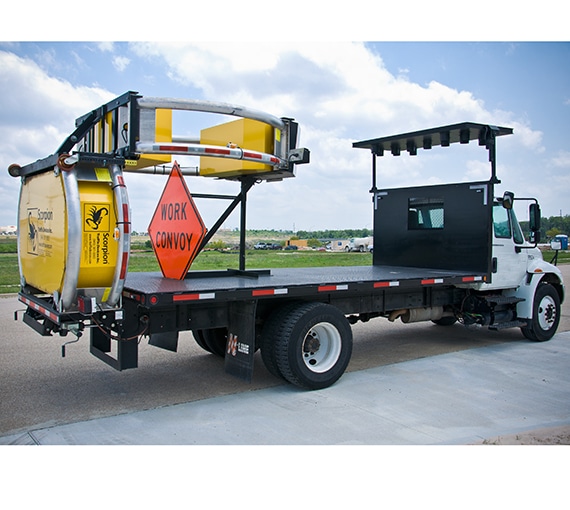
The tools of the trade for work zone safety setup include clean, reflective safety cones, rumble strips to alert drivers to slow down, and light towers to illuminate the work area, equipment and all-important workers.
The Challenge: Manage Multiple Interchanges and Stakeholders
With 22 traffic interchanges to upgrade, the project demanded meticulous planning and execution. Each interchange was treated as its own mini-project, complete with distinct contracts and unique challenges. ADOT and the local municipalities, all of whom had a vested interest in ensuring public safety and minimizing disruption, imposed stringent traffic control standards.
The work was largely carried out at night, adding another layer of complexity. Sunland Asphalt needed a traffic control partner that could handle the challenge head-on.
After 12 weekends of focused work, the US-60 corridor project reached completion without a single major safety incident.
The Solution: Precision Traffic Control
AWP Safety played an integral role in managing traffic control for the US-60 corridor project, ensuring that the complex operation ran smoothly and safely from start to finish. Right from the outset, the company leveraged its experience to develop tailored traffic control plans for each of the 22 interchanges.
These plans were not one-size-fits-all; rather, they were carefully crafted to address the unique infrastructure, traffic patterns and local conditions at each specific location. By accounting for the nuances of each interchange, the plans worked to minimize disruptions to traffic flow while maximizing the safety of both workers and motorists.
Beyond the initial planning, AWP Safety also took charge of the critical permitting process, navigating the complex web of regulations and requirements imposed by various municipal and state authorities. This proactive approach secured all necessary approvals in advance, preventing delays and ensuring that traffic control measures were precisely implemented according to the project’s demanding timeline.
A key element of the project’s success was the ability to adapt to the dynamic and often unpredictable conditions at each work site. Whether it was adjusting to unexpected weather changes, responding to fluctuations in traffic volume or accommodating last-minute modifications in the work schedule, each plan allowed for a high degree of flexibility and responsiveness. This adaptability was crucial in maintaining the project’s momentum and avoiding costly interruptions.
To further enhance safety, particularly during the more hazardous nighttime operations, AWP Safety deployed off-duty law enforcement officers at each location. Their presence not only added an extra layer of security but also provided a visible deterrent to potential safety risks.
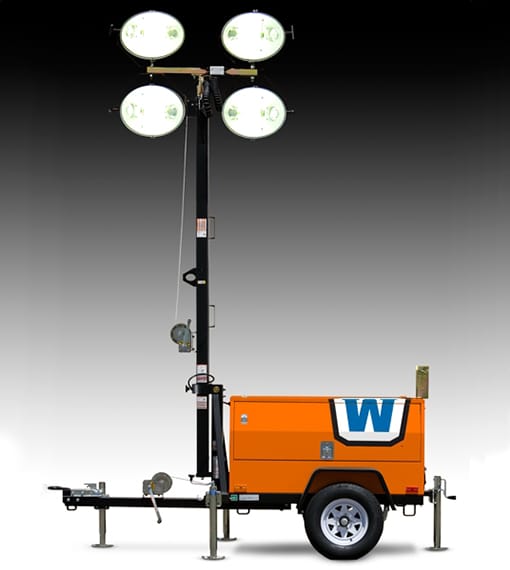
The tools of the trade for work zone safety setup include clean, reflective safety cones, rumble strips to alert drivers to slow down, and light towers to illuminate the work area, equipment and all-important workers.
The Results
After 12 weekends of focused work, the US-60 corridor project reached completion without a single major safety incident. This success was the result of seamless coordination between Sunland Asphalt, AWP Safety, ADOT and the local municipalities. Despite the challenges posed by working across multiple interchanges, the project stayed on schedule and within budget, with minimal disruptions to the public.
Immanuel Martinez, division manager of public works for Sunland Asphalt, emphasized the importance of customer collaboration at every level: “This project demonstrates how detailed planning, transparent communication and robust partnerships can lead to the successful delivery of large-scale infrastructure improvements. The fact that we had no major safety incidents throughout the project speaks to the careful coordination and shared commitment of all our partners.”
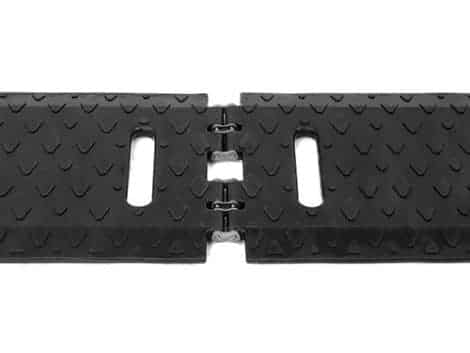
The tools of the trade for work zone safety setup include clean, reflective safety cones, rumble strips to alert drivers to slow down, and light towers to illuminate the work area, equipment and all-important workers.
Martinez continued, “Our ability to work closely with AWP Safety and our municipal partners ensured that the project was not only delivered on time and within budget but also met the needs of the public, who rely on these roadways every day. This level of customer-focused collaboration is what drives success in today’s infrastructure projects.”
As Sunland Asphalt and AWP Safety move on to their next projects, the US-60 corridor serves as a shining example of what can be achieved through collaboration, meticulous planning and a commitment to safety. The lessons learned and the relationships forged on this project will undoubtedly inform their future endeavors, as they continue to pave the way for safer, more efficient roadways across the region.
Consider reaching out to your local traffic safety expert for a consultation and to see how their expertise can help you achieve your business goals.