
Assess the Air System at Your HMA Plant
BY Rick Rees
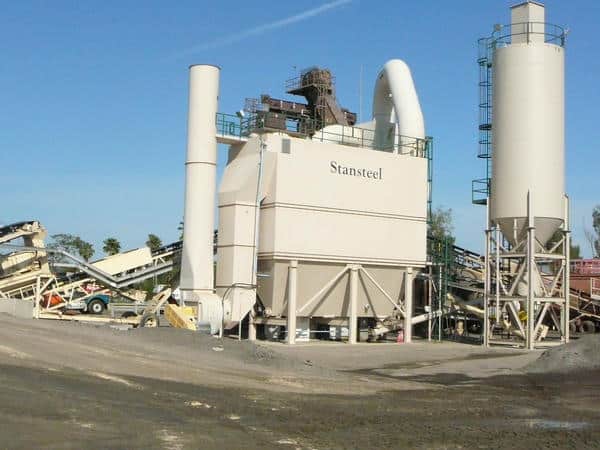
Stansteel Hotmix Parts & Service shares best practices to inspect the exhaust fan and ductwork
Assessing components at the hot-mix asphalt (HMA) plant is only one step in the overall picture of plant health. The continuous drum mix plant has its best chance at optimum, clean production when all components and electronics are functioning properly without signs of wear or damage. If a duct, bin, flight, bag or other component develops a shiny surface, small leak or other problem, more than production suffers. This month, let’s assess the exhaust areas of the asphalt plant for maintenance purposes.
Safety Notes
The first step with any plant maintenance is to make sure all inspections, markings or repairs happen while using proper OSHA Lockout/Tagout procedures. Ensure you have complete power disengagement before performing any inspections or repairs. For observations that require fans, motors or other components to be operating, listen or watch for vibration and noises from a safe distance or rely on your controls system to provide feedback on specific parameters. In this situation, you will observe and document, but do not touch the operating equipment.
For this series on assessing your asphalt plant for repairs and to avoid unplanned downtime, plant owners are reminded that only fully trained personnel should be allowed to conduct work on or around the equipment. For safety’s sake, the worker(s) should be fully trained on and act in accordance with all federal, state, county and local laws and regulations, and that includes OSHA and MSHA laws. You want your workers to be familiar with and act in accordance with the equipment specifications and manuals as well as your site-specific safety rules and regulations.
Workers have to take responsibility for their own actions, inactions, consequences and results, but you can ensure the best possible outcome for their safety and your operation’s success when you take the time to train and educate each worker who has access to the equipment and material at your facility.
Before You Power Down
While the exhaust fan is still running, from a safe distance, observe the following:
- Is there excess vibration?
- Do you smell any unusual odors?
- With the exhaust fan running, visually inspect it for vibration (If you see vibration, locate a professional fan balancing company to inspect and balance the fan.)
- Are the drive belts shaking excessively?
- Upon startup, do the drive belts squeal until the fan is up to speed?
- When you start the exhaust fan, is there visible dust coming from the stack (dust will cause excessive wear on fan)?
- What AMPS are the motor or motors drawing?
If you said yes to any of these items, a full inspection is needed to ensure the fan is operating correctly. Now is also a good time to inspect the air system to ensure there are no further issues that will inhibit maximum efficiency and production.
With the fan running, compressed air operating and timer engaged, note the action of the filter tubes. You should note a momentary short expansion in each row of filter tubes as they are pulsed.
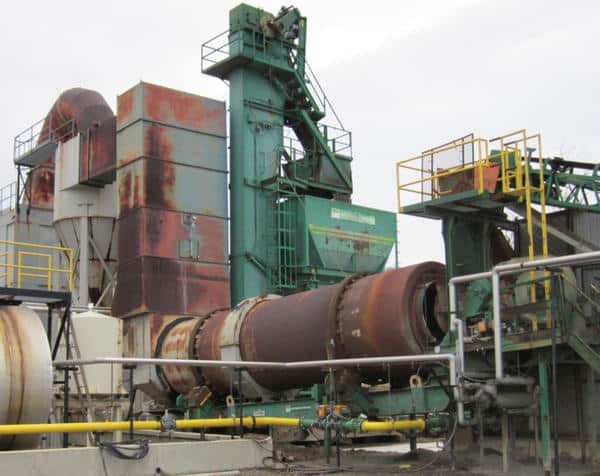
The exhaust fan has the critical function of moving air throughout the system. That air has weight and volume. It has elevated temperatures, steam, moisture, combustion products and dust of various particle sizes to take into consideration when sizing and maintaining the fan.
Lockout, Tagout, Inspect
Start by inspecting the fan outside.
- Are the bearings in good shape? Clean off any excessive grease and see if the fan wheel turns easily.
- Check drive belts for tightness, wear and cracks. Are the V’s polished and running deep in the sheaves?
- Check sheave alignments, wear, proper tightening of taper locks.
- Check V belt alignment and guards.
- Check fan housing where it is secured to concrete or base plates.
- With V belts removed, spin motor shafts to see if bearings sound and feel smooth.
- Do not overtighten V belts. This will damage motor and fan shaft bearings.
Inspect the fan itself.
- Check for leaks at all locations.
- Does the fan rotate correctly and freely without friction?
Look at fan wheel alignment.
- Ensure wheels are positioned on the shaft so there is minimum running clearance near the inlet.
- Ensure the fan wheel is concentric with the inlet.
- Check for any vibration.
- Check the fan strike-off plate.
Open the inspection door on fan housing.
- Check fan impeller edges, welds for wear, wash areas, cracks.
- Spin by hand and check if the impeller runs true.
- Check the fan housing for wear, holes, debris inside.
- Check inlet funnel for wear and alignment with impeller (check OEM specifications).
- Inspect fan strike-off plate for wear, cracks (located in the fan housing).
Look at the V-belt drive alignment, checking and adjusting the following:
- Fan and motor shafts must be parallel. Adjust and shim the motor as required.
- Fan and motor sheaves must be aligned.
- Adjustable motor sheave grooves must have no eccentricity.
- Fan and motor sheave balance should be checked when there is any vibration.
- Belts must be tight enough to avoid slippage. Do not over-tighten, which loads bearings and causes vibration and unnecessary wear. Follow the drive manufacturer’s recommendations for the type of drive being used.
For direct-drive systems, check the couple alignment. Couplings, particularly gear type, require careful alignment for smooth operation and long life.
The exhaust fan has the critical function to move air throughout the system. Often, many infrequent users do not realize that air has weight and volume, and all this must be taken into consideration when properly sizing and maintaining the fan. The “air” has elevated temperatures, steam, moisture, products of combustion, along with dust-laden air including various particle sizes.
The exhaust fan should be tested at least once per year, depending on volume and material processed.
It’s important to have a baseline and establish the design parameters when the fan is originally installed and the air system was permitted. The annual inspection air volume test should show that it is performing within 5% of the original design. Air volume below design will significantly affect the plant’s ton per hour production rate.
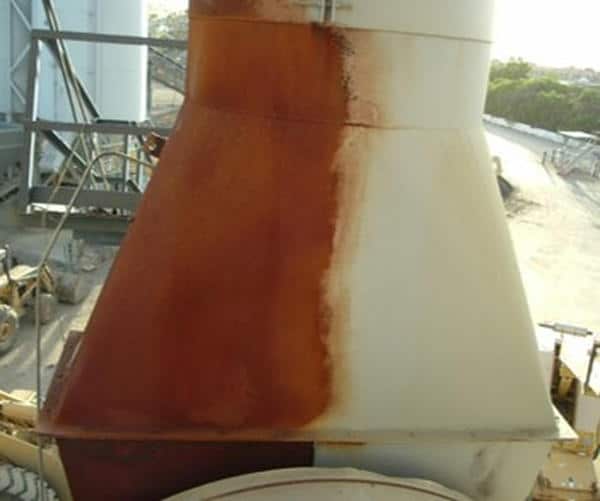
Improper dryer flighting and/or unoptimized burner-blower tuning often results in the ineffective veiling of material which wastes heat and thus fuel, and damages equipment like this dryer outlet duct.
Check Components
Each component in the process should have an original baseline for pressure drop. Example: The primary knockout box, ductwork, baghouse or other pollution control devices.
Each baghouse—or other air filtration—manufacturer has guidelines for operation and performance and those should be followed. What some typical guidelines should include:
- Verification that there’s no build-up inside the primary collector and baffles or cyclone impact components are operating originally as designed and installed.
- Ductwork should be inspected for signs of uneven air flow or temperature. If the paint or wear patterns can potentially indicate improper combustion/improper flighting, please note and remove dust build-up and verify proper air velocity.
- Baghouse common checkpoints include verifying the internal baffle plate is intact and the bags are not being worn or sandblasted from lack of air stream diversion.
- Check each pulse valve or poppet cycle to make sure they’re functioning properly and no clean compressed air is applied to the bags.
- At least once per year, perform a fluorescent powder and blacklight test to check for leaks in the bags, top seals, top seal connection and weld joints, especially between the clean air plenum and the dust release area of the baghouse. Often, the top door seals are neglected, but any bleed-in or tramp air will cut plant production performance.
- Verify that all ancillary components, such as rotary air locks, air flow control dampers and safety bypass diverters are functioning as designed.
If you have comments on any of the elements you’ve inspected, make those notes for your ground crew or mechanic and set a date by which you’ll check back on the progress of repairs. Well-maintained and properly functioning exhaust fan and ductwork is integral to the success of your plant. Keeping it in good working order keeps your operation safe as well as efficient.