Kansas Asphalt Overlay Freshens Small Town USA
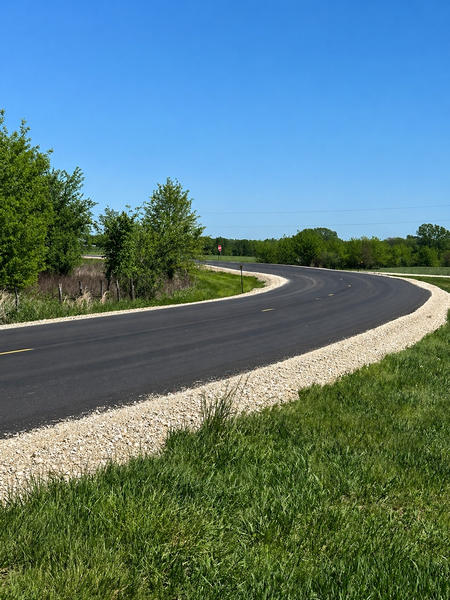
Shilling Construction’s asphalt overlay freshens small town USA

As the United States of America celebrates its 250th birthday this month, let’s look to one of the close-knit communities that makes up the fabric of our nation. For a small town in the Midwest, the team from Shilling Construction Company, Inc., Manhattan, Kansas, not only reminds us of the opportunity for steady work in the smaller stretches of connecting byways, but also of the pride the milling, paving and production crews can take in refreshing an older town’s aesthetics.

Small towns with long-standing community pride like Maple Hill, Kansas, dot the landscape of this great country. In partnership with the U.S. Department of Transportation, The Great American Road Trip is highlighting those towns, the historic landmarks within and around them, and the open asphalt roads connecting us to them. Visit The Great American Road Trip | Celebrating America’s 250th Birthday for information.

Maple Hill is nestled between I-70 to the south and US24 to the north in Kansas. According to City-Data.com, the town’s population in 2024 was 639. When Shilling Construction won the contract in late 2025 from Wabaunsee County to handle an overlay of County Road 30, Maple Hill’s cozy downtown strip benefited from a mill-and-fill as well.

As we celebrate the 250th birthday of the USA this month, one of the small towns that makes up the fabric of this nation has a fresh new look thanks to the mill-and-fill portion of Shilling Construction’s project from April. Along Main Street, the city of Maple Hill has clean edges and a safe, smooth surface again. City Clerk Lynn Hoobler said, “I think that overall, it gives the downtown a fresh and inviting look.”

Steve Altobello, the owner of Shilling Construction Company, Inc., spoke of the overall performance of this project for a rural township. “Maple Hill’s Main Street, like in so many communities, is the heart of the town. A quality asphalt paving project has a real impact. Shilling is a community driven company, and our people are honored to play a small part in improving Main Street. Taxpayers in counties and cities need their dollars deployed efficiently and effectively. We are proud our team delivered a high-quality product in a cost-effective way for Wabaunsee County and the city of Maple Hill.”

Cornejo & Sons Wins KAPA Overlay Award with WMA

Daren Dieker is a superintendent for the company and shared how the project came together. “From our standpoint, this project really came down to coordination and timing, being able to complete Main Street while we were already mobilized for the surrounding work.”
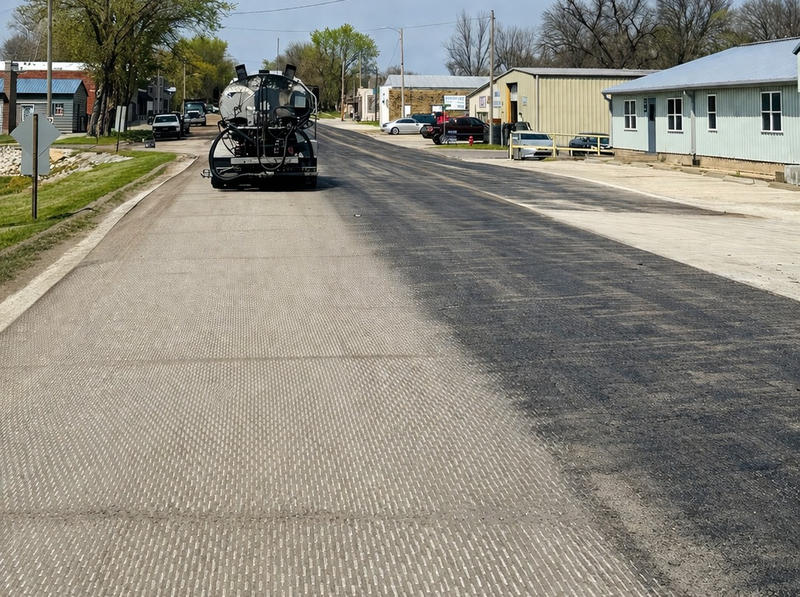
The Shilling Construction team milled 1.5 inches of 0.9 miles for Maple City’s portion of the project. The milled surface was cleaned and tacked prior to paving.

County Overlay

The “surrounding work” Dieker mentioned called for 2,362 tons of Class A mix with a PG58-28 binder and approximately 40% RAP on 2.4 miles of county road, and an additional 310 tons from the county for a side road. The crew produced this mix at their Astec plant located on Manhattan’s McDowell Creek Road, about 40 minutes from the project, at an average temperature of around 310°F. Then they placed it with a CAT 1055F paver in a single lift at approximately 1.75 inches to achieve 1.5 inches after compaction.
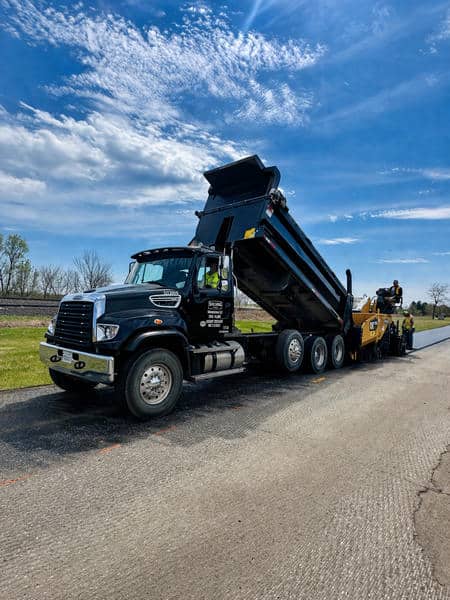
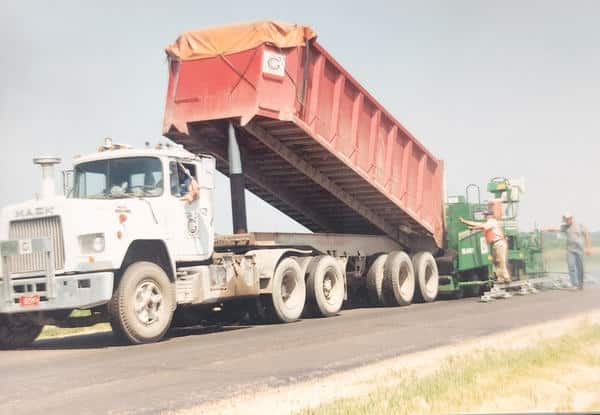
Trucks charged the CAT 1055F paver’s hopper directly with a Class A mix of PG58-28 binder and approximately 40% RAP, delivered from the Manhattan plant about 40 minutes away.

The project ran from April 6-21, 2026, so the team kept an eye on the Midwest spring temperatures.

“Ambient conditions during paving ranged from 45 to 65 degrees,” Dieker explained. “With an approximate 40-minute haul time, we did not experience temperature loss issues. Our trucks are equipped with electric tarps, which kept the mix well covered during transport.”
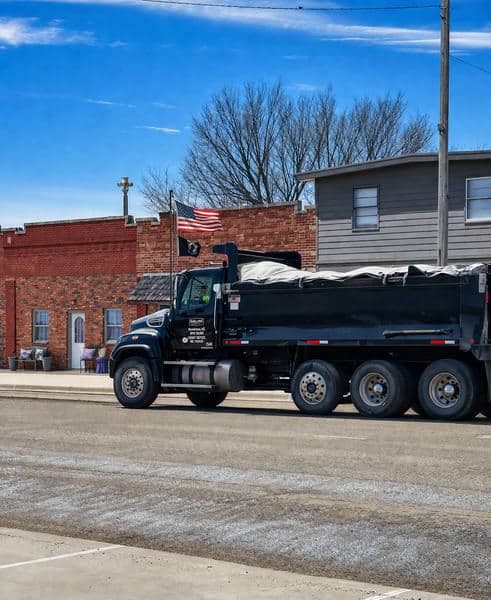
Lynn Hoobler, city clerk for Maple Hill, spoke of the quality work from Shilling Construction, both during and because of the job. “We have a new restaurant in town, and I hope it gives visitors a positive outlook of the town. I know the owner was concerned that she would lose business, for lack of parking, but Shilling was efficient and I didn’t get any negative feedback about that. Shilling did a great job as far as traffic control with the pilot cars bringing traffic in and out safely.”

Main Street Mill-and-Fill

The Main Street portion of the project ran through downtown Maple Hill and covered approximately 0.9 miles, including the parking stalls. Lynn Hoobler, the city clerk, shared that the road coming into town had a significant amount of potholes.

“The road coming into the city limits is called Elm Street, and a lot of potholes were becoming a major issue for the city. Main Street was also getting well worn, to say the least, and was really getting ugly. The county would do an overlay project every couple of years, but they only did 12 feet on each side of the center line. After years of that, there was a 5-inch [trough] or maybe more, creating a hazard for citizens crossing the street.”

Superintendent Daren Dieker shared that the Class A mix with 40% RAP performed well for the rolling train. On the county road, the team achieved average densities of 93.5% on the mainline and 92% on the joint.

The crew used a W 200 Fi milling machine from Wirtgen for the 1.5-inch mill-and-fill. Dieker shared that they controlled the milling depth manually.

“All millings from the project were either sold or provided to the city,” Dieker explained. “Our plant maintains sufficient stockpile to support [the 40%] RAP mix.”

Superior Bowen Gets Consistency in Kansas City

The city’s maintenance personnel handled striping upon completion of the paving. Shilling Construction’s team used the same mix, equipment and rolling train along Main Street as they did on the surrounding county work.
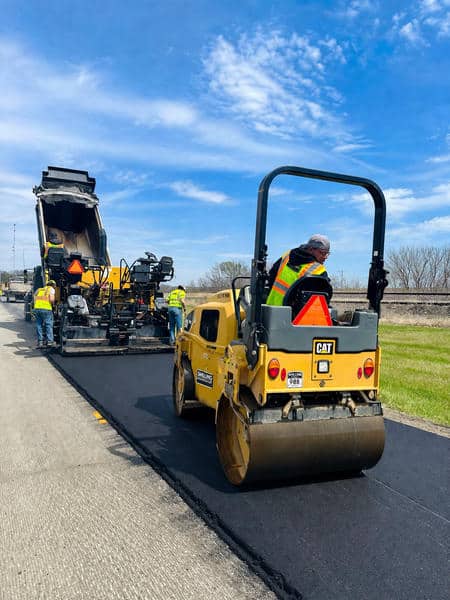
The team used a Cat CB34B roller in the breakdown position and a Sakai SW994 for finish. This combination served so well in town that it was continued for the entirety of the project.

Compaction Completion

The rolling train included a Cat CB34B for breakdown rolling and a Sakai SW994 for finish rolling—both double steel drum rollers. “This combination performed well in town and was carried through the remainder of the project,” Dieker shared.

The only notable soft area they encountered was along the parking stalls in town. With an experienced crew, this challenge was quickly solved. “The crew addressed this by adding additional mix and depth in those locations,” Dieker explained.
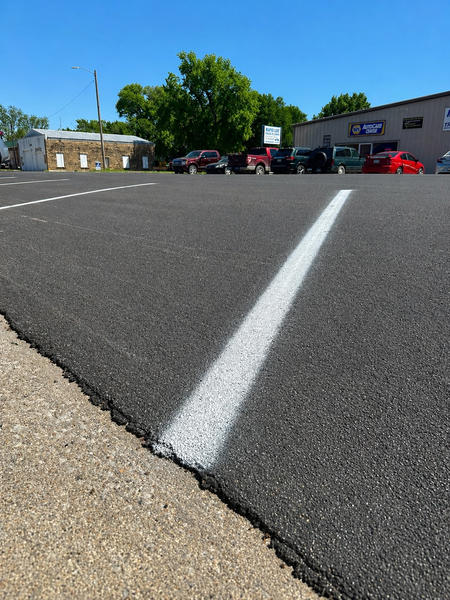
To achieve a smooth, sealed finish, the rollers focused on quality control.

“The crew focused early attention on the longitudinal joints, with the smaller roller compacting the joint as soon as possible to ensure density and a clean finish,” Dieker explained. “The mix performed well under the rollers. Density was verified using our in-house nuclear density gauge. We were seeing an average density of 93.5% on the mainline and 92% on the joint on the county road.”

The team used a Cat CB34B roller in the breakdown position and a Sakai SW994 for finish. This combination served so well in town that it was continued for the entirety of the project.

Delivering the seamless new surface between I-70 and US24 took communication among multiple stakeholders.

“We appreciate the coordination and partnership throughout the project,” Josh Hinch of Wabaunsee County said. “The finished roadway looks great and provides a smoother, safer surface for the traveling public.”

Kansas Turnpike Turns to Asphalt for Fast, Reliable Upgrades

“Shilling did a great job as far as traffic control with the pilot cars bringing traffic in and out safely,” Hoobler shared. “I am the city clerk, so I had a front and center view of the project. The employees were polite and respectful to our residents at all times, too. They were friendly and courteous when they were waiting for their turn to do their part of the job. Overall, the new overlay is really nice, smooth, and makes the city look fresh. I think that overall, it gives the downtown a fresh and inviting look.
Improve Paver Visibility with Simple Tow Point Marking

Paint the tow point guide for better visibility

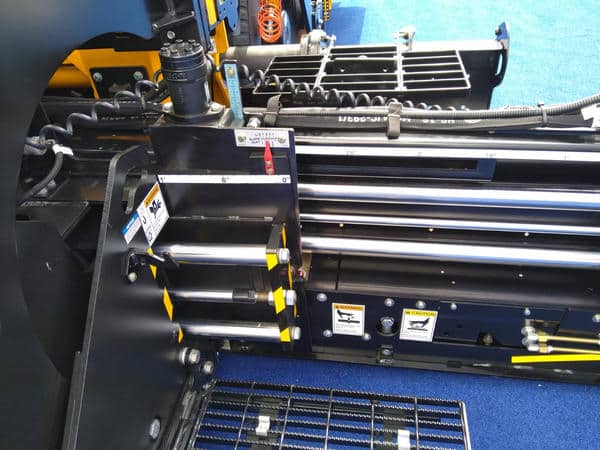
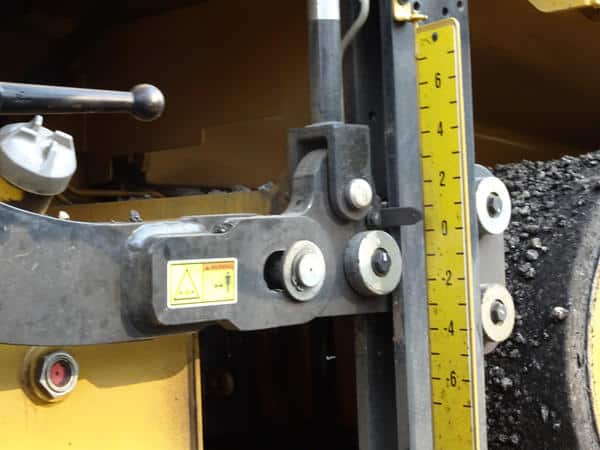
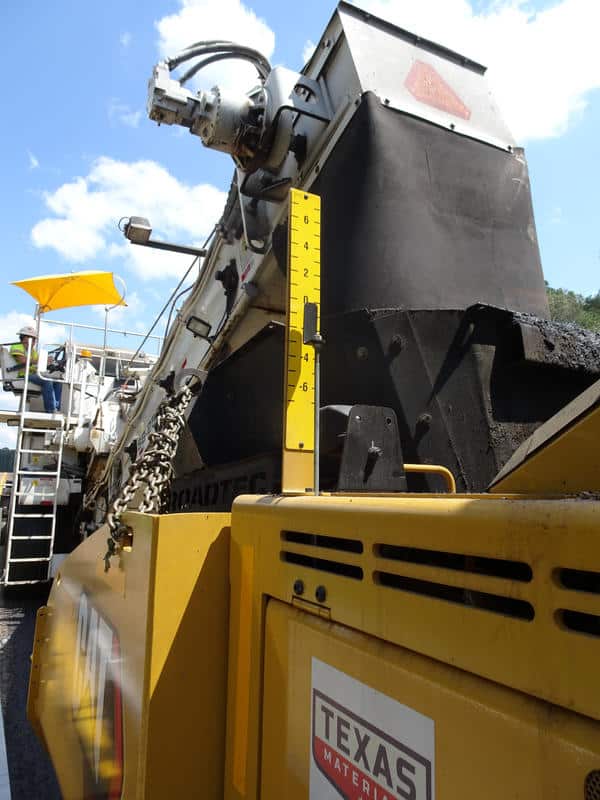
One of the first things you should do when your new paver arrives is get out a can of high-visibility spray paint and mark some elements to help your crew. We’ve talked before about how smart it is to paint the guide bar and chain at the front of the tractor or investing in a guide like the PaverLaser. Now take a look at the tow point cylinder gauge.

Do you see the almost-hidden black arrow (or wire) that points to the numbers on the measuring gauge? That arrow will be difficult for screed and paver operators to see on a good day. Now imagine shovels and buckets blocking their view. Imagine the grease and gobbledygook that gets on the equipment during the shift, making the arrow hard to pick out from the rest of the dark material. Instead of leaving it “as is,” paint it a neon color before the crew goes out to the field.

Better yet, look at the second picture on this page where the paver manufacturer has affixed the tow point guide on top of the tractor. This brings the gauge up to eye level and away from sticky messes that hide the indicator.

As always, keep equipment clean for its best operation, but give your crew their best chance at success with a can of bright paint and some good planning on gauge placement. <endmark>

John Ball is the proprietor of Top Quality Paving & Training, Manchester, New Hampshire. For more information, contact him at (603) 493-1458 or tqpaving@yahoo.com.

A Century of Roads, Innovation, Community with Geneva Construction

Geneva Construction Company celebrates centennial with quality asphalt paving for Illinois

Geneva Construction Company traces its roots to 1926, when it was founded in Geneva, Illinois, by the McCarthy Improvement Company of Davenport, Iowa. At the time, team members were working on gas pipelines for Northern Illinois Gas.

In the early decades of the 20th century, as motor vehicles became more common and urban landscapes expanded, the Fox Valley region in Illinois faced an urgent need for better roads and modern transportation infrastructure. It was in the era of growth and innovation that Geneva Construction company was established.

In a video released by the City of Aurora, officials explained, “The city of Aurora is proud to share the story of a company whose work has shaped the community we call home. It began in 1926 when Geneva Construction was incorporated in Geneva, Illinois, by McCarthy Improvement Company of Davenport, Iowa. Gilbert N. Bryan was elected president, laying the foundation for a legacy that would span generations. Just over a decade later, in 1937, the company moved its corporate offices to the old second building in Aurora, Illinois. A move that would anchor its future in our city for decades to come.”

The company’s earliest projects coincided with a transformative period for American infrastructure. Automobiles were reshaping how people lived and worked, and municipalities relied on skilled contractors to lay durable roads that could handle increasing traffic. Geneva Construction entered this ecosystem with the expertise and ambition needed to thrive.

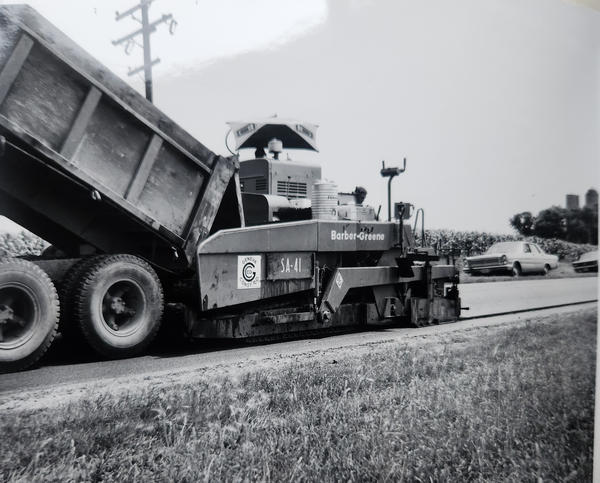
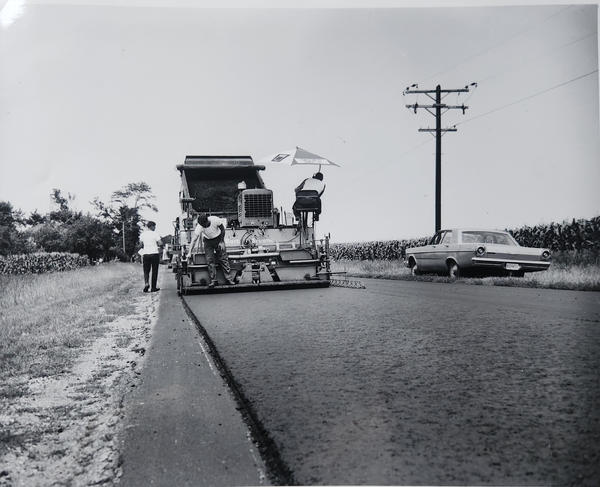
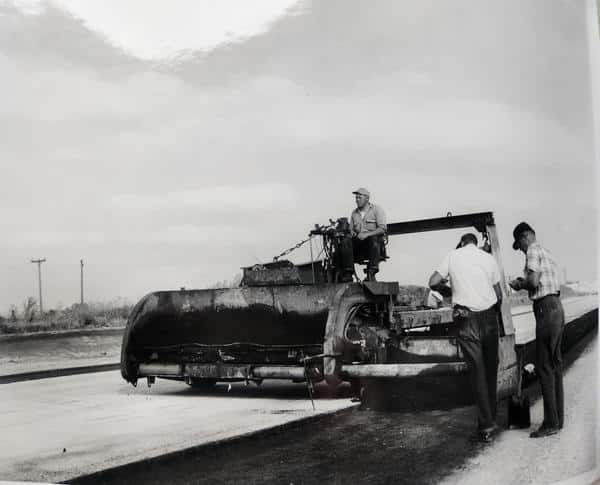
In the 1920s, companies like Geneva Construction advanced to using manually adjusted paving equipment like the Barber-Greene paver and Austin-Western rollers, increasing the efficiency of roadway paving.

Skills and Equipment

Under the leadership of its first president, Gilbert N. Bryan, the company set out to build reliable, resilient pavement that would stand the test of time. Yet, machinery and materials in the early 1930s were rudimentary compared to later standards, so much of the work remained labor-intensive, relying on skilled crews working long hours to place and finish pavement surfacing.

In the 1930s, Geneva Construction became one of the early adopters of mechanized asphalt paving, owning one of the first paving machines produced by the Barber-Greene Company of Aurora, Illinois (later purchased by Astec). Designed by Harry Barber, this innovative asphalt paver combined mixing and placement into a single, continuous process, allowing Geneva Construction to pave roads more efficiently, and with greater consistency than past methods.

Building on this advancement, Harry Barber later expanded Barber-Greene’s offerings to include a full line of asphalt pavers and asphalt plants. Geneva Construction’s first asphalt plant was also supplied by Barber-Greene, further solidifying a partnership that helped shape the company’s early growth and its reputation for innovation in road construction.

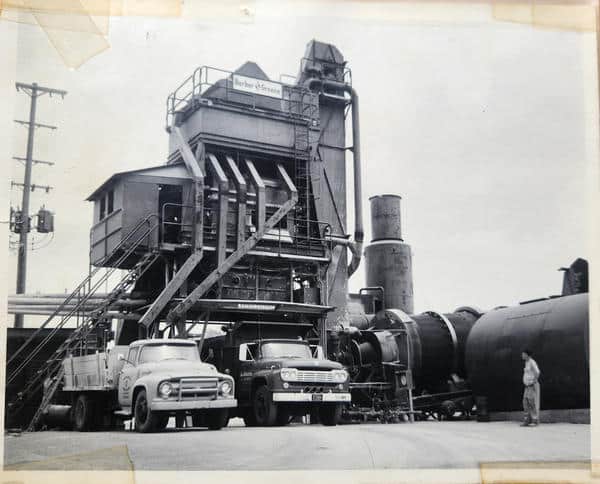
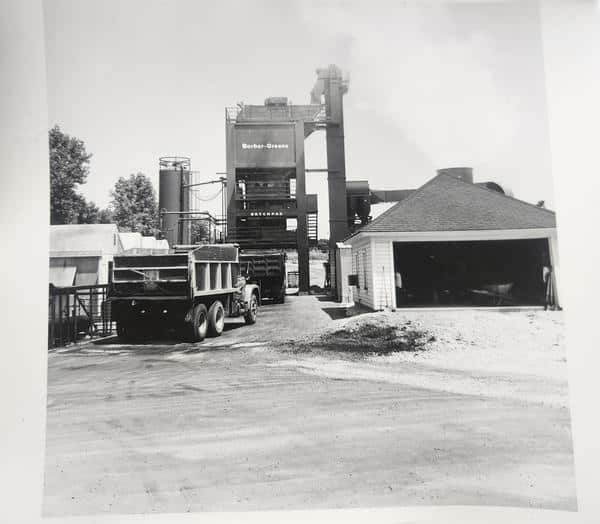
By 1956, Geneva Construction Company purchased seven acres along Indian Trail in Aurora, a site which became the home of the company’s asphalt plant. This served as a critical hub for paving the roads that carry the residents and economy of Aurora. Here we see trucks lining up to get mix from the company’s Barber-Greene BatchPac.

Growing Mid-Century

In 1956, Geneva Construction purchased 7 acres of land along the Fox River and relocated the asphalt plant from the North Avenue site. By 1967, the company moved all operations and main offices to its long-term site on the Fox River at Indian Trail, marking a modern era for its facilities.

A city official described those mid-century moves this way: “Geneva Construction purchased 7 acres along Indian Trail in Aurora. This site became the home of the company’s asphalt plant, serving as a critical hub for paving the roads that carry our residents, our workers, and our everyday life. Leadership evolved in the early 1960s, and in 1964, John G. Bryan became president. By 1967, the company strengthened its independence by purchasing 40% of its common stock and building a new office on Route 25 in Aurora, further establishing their footprint in our community.”

In 1969, Geneva Construction was named Asphalt Paving Contractor of the year by the State of Illinois.

Geneva’s asphalt plant was relocated in 1970 to Butterfield Road in North Aurora; it’s now Superior Asphalt Materials, a pivotal move that placed Geneva Construction at the heart of its production capacity.

Throughout these decades, Geneva Construction was part of a larger transformation in how roads, highways and urban streets were built. Higher traffic volumes and heavier loads from commercial vehicles demanded better materials, testing procedures and construction techniques. The company responded by investing in equipment, workforce training and quality oversight that positioned it as a respected contractor among local governments and private developers alike.

In the 1920s, companies like Geneva Construction advanced to using manually adjusted paving equipment like the Barber-Greene paver and Austin-Western rollers, increasing the efficiency of roadway paving.

Transitions

The year 1978 brought a significant milestone: ownership of Geneva Construction passed to John G. Bryan, solidifying a tradition of family-led stewardship. This transition marked the beginning of a new era defined by continuity, modernization and strategic growth.

Under the Bryan family’s leadership, Geneva Construction:

  • Expanded its service offerings to include full-service asphalt paving, curb and gutter installation, and concrete flatwork, meeting the broader needs of municipal, commercial and state clients.
    • Upgraded its materials production facilities, increasing throughput and enhancing quality control at its North Aurora asphalt plant.
    • Reinforced its reputation for reliability and craftsmanship in a market that increasingly valued performance and durability.

By 1997, when longtime president John G. Bryan retired, the company was well positioned for continued success. Leadership passed to his sons, John P. Bryan and Mike Bryan, who brought fresh energy and modern business practices to an organization that had already thrived for more than seven decades. Under their leadership, the company earned dozens of awards and evolved into the respected organization it is today.

Mike Bryan, vice president, stated: “We run about 15 crews, about 130 total employees, with 20 of those being office people and the remainder being field personnel. I enjoy probably the people the most…We are a third-generation company. We have a lot of second-generation people working here so their fathers and sons are working here.”

John P. Bryan, then serving as president, said, “The United States was built on the back of Detroit. Automobiles, suburbia, and that’s what we do. We build the roads for these houses. We’ve worked with the city on a wide variety of projects, and I can remember going out and doing things special to make sure schools get open, the road gets done. Hill Avenue, Fifth Avenue, Indian Trail, they’re numerous. And we work with the city in order to make sure these projects are completed in a timely manner at the littlest disruption as possible because nobody likes ‘Road Construction Ahead’ signs. These mayors have always looked at the quality of life in Aurora and that’s really the best thing that Aurora has going for it; great things thinking about what the future of Aurora is.”

The city official remarked: “Under their leadership, from 1997 to 2024, Geneva Construction earned numerous awards from NAPA, AAPA, APWA, APAI, and local agencies, including the city of Aurora, celebrating excellence in engineering, quality of work, safety and innovation. These honors reflect not just great roads, but the hardworking people behind them. People who have contributed to Aurora’s growth, safety and connectivity.”

In the 2000s, Geneva Construction operates as a third-generation legacy reborn under new family leadership, continuing its historic commitment to quality across municipal, commercial and private-sector paving projects.

By 1956, Geneva Construction Company purchased seven acres along Indian Trail in Aurora, a site which became the home of the company’s asphalt plant. This served as a critical hub for paving the roads that carry the residents and economy of Aurora. Here we see trucks lining up to get mix from the company’s Barber-Greene BatchPac.

A New Chapter: The Krug Family Takes the Torch

As Geneva Construction approached its 100th year, the Bryan brothers saw that no fourth generation showed interest in assuming future ownership of the company. They recognized the importance of securing the company’s future through strong, values-aligned leadership. In 2025, the Bryans sold Geneva Construction to the Krug family, a well-established name in construction with deep roots in the Illinois infrastructure community.

The Krug’s leadership marked the beginning of a new era—one that honors the craftsmanship and integrity built over 100 years while preparing for the future of asphalt and concrete construction.

The transition was smooth and deeply respectful, ensuring Geneva Construction’s legacy remained intact while positioning the company for long-term success.

What began as McCarthy Improvement Company of Davenport, Iowa, became incorporated as Geneva Construction in 1926. For 100 years, Geneva Construction Company has helped build the streets, the neighborhoods and the progress of Aurora, Illinois.

Paving Evolution: Early 1900s to 2026

The evolution of Geneva Construction tells a story of longevity and adaptability. In the early 1900s, Gil Bryan built roads using horse-drawn equipment. By 1920, Bryan transitioned to Ford trucks marking early mechanization. What road crews did in 1926 looks entirely different from the highly technical, data-driven projects the company executes in 2026.

In 1926, roads were placed using manually adjusted screeds from Barber-Greene and compacted with Austin-Western rollers. Asphalt testing in the early 1900s relied on built test streets in the field, where performance was observed over time.

Over a century in business, every part of the process has transformed from asphalt plant operations and laydown equipment to compaction methods and material testing. Today, Geneva’s quality control labs are state-of-the-art, utilizing real-time density testing, fully digital data collection and national standards designed to analyze performance and prevent material failures before they occur.

What hasn’t changed over the decades are the fundamentals. Using good aggregate still matters; getting proper compaction is critical; weather affects performance; and quality materials remain the foundation of every durable roadway.

What began as McCarthy Improvement Company of Davenport, Iowa, became incorporated as Geneva Construction in 1926. For 100 years, Geneva Construction Company has helped build the streets, the neighborhoods and the progress of Aurora, Illinois.


Stats of a Century

As of 2026, the company’s 100th anniversary:

  • Geneva Construction has produced and placed over 10 million tons of asphalt.
  • Crews have paved over 9,000 miles of roadway—enough to circle the entire Fox Valley region many times over, connecting neighborhoods, schools, businesses and communities across northern Illinois.
  • The company remains a trusted partner to cities, towns, school districts, developers and transportation agencies throughout the region.
  • With upgraded equipment, advanced testing capabilities and expanded community engagement, Geneva Construction enters its next century stronger, safer and more innovative than ever.

Pavers Wrapped for a Purpose Support Construction Angels

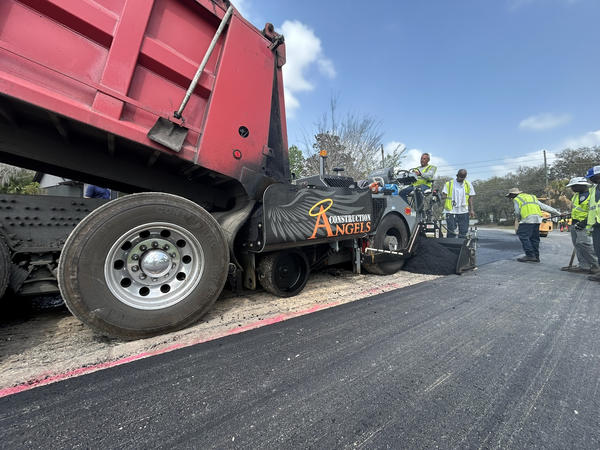
Seminole Asphalt wraps awareness around three LeeBoy pavers

Prior to 2024, Pat Giffin of Seminole Asphalt Paving, Inc., Sanford, Florida, hadn’t heard of the work the Construction Angels organization was doing. That changed when he attended the 4th Annual Dobbs Equipment Golf Classic. Dobbs Equipment, LLC, headquartered in Riverview, Florida, is a supporter of Construction Angels, Inc., Palm Beach Gardens, Florida.

“It all started with me back in May 2024 when Dobbs Equipment invited our construction company to the golf tournament they were hosting in Orlando,” Giffin said. “After settling into my room, I noticed there was a pamphlet on Construction Angels. After reading the information, I realized this foundation helps families affected when a tragic death happens in our industry. This foundation has touched our hearts so immensely.”

Meet a Woman of Asphalt: Construction Angels’ Hannah Garison

Construction Angels is a 501(c)3 non-profit organization that provides immediate financial assistance and grief counseling to the children (19 years and younger) and spouse left behind when a construction worker is involved in an accidental work-related fatality. The organization offers construction scholarship opportunities to qualified applicants, and additional scholarships to surviving children of a fallen worker. These missions spoke to the heart of Giffin and Seminole Asphalt Paving’s Kenny Floyd.

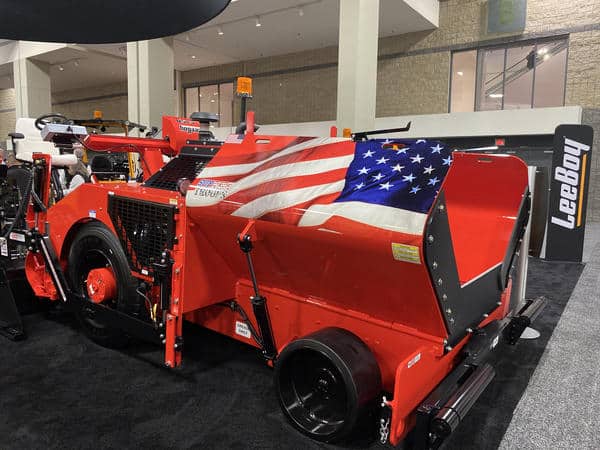
The 6150 paver purchased in 2023 sported the American flag and stood for patriotism. Photo courtesy of LeeBoy

Seminole Asphalt Paving is a full-service commercial asphalt paving company that serves the state of Florida and specializes in asphalt paving, asphalt repair, sealcoating and all types of pavement maintenance methods. Management is proud of their paving crews, ensuring they’re trained well. Management is also aware of the risk crew members face when they’re working alongside live traffic.

Meet the National Exec: Construction Angels’ Kristi Ronyak

“For 42 years, I have been in this line of work,” Giffin said. “Thank God I have not had to witness any fatal accident myself, but I’ve heard of a lot of them. This is why Kenny Floyd and I think the Construction Angels organization is an awesome organization, helping families put the pieces back together, helping families in their time of need.”

Seminole Asphalt has a unique way of showing the community which worthy causes it supports and added Construction Angels to its stable of organizations. That unique method involves custom wrapping its equipment.

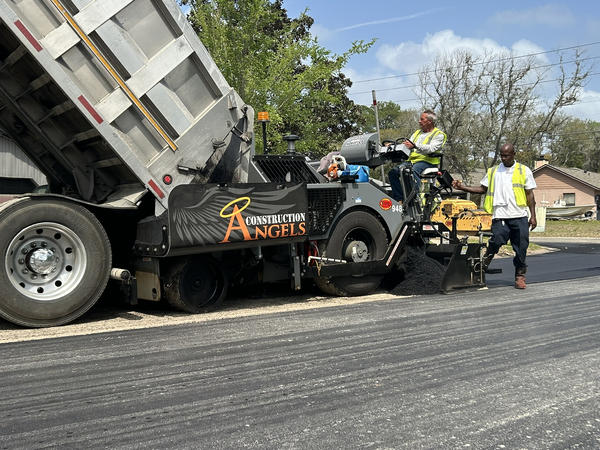
Starting with a 6150 asphalt paver purchased in 2023, the contractor elected to have a patriotic paving machine. The same model was purchased in 2024 and again in 2025. Each model included LeeBoy’s Legend HD screed, automatic temperature control, heated endgates and sloping extensions. And each had its custom detailing executed by ASR Graphics, Inc., Maiden, North Carolina, according to Brian Hall, territory manager for LeeBoy.

BOMAG Americas Supports Construction Angels Charity Again with CONEXPO/CON-AGG 2023 Campaign

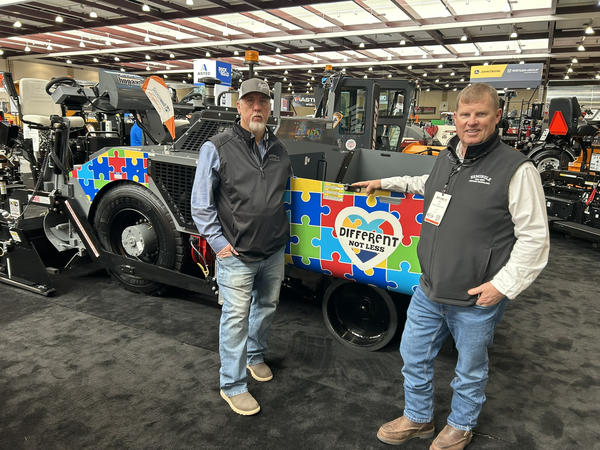
“As a longtime LeeBoy partner, Seminole Asphalt Paving has always taken an interest in themed pavers,” Hall explained. “From an American flag themed paver to last year’s Autism Awareness unit, Kenny Floyd and his crew have always looked for a way to raise awareness. After joining Dobbs Equipment at the Golf Classic supporting Construction Angels, next year’s choice was clear. Construction Angels’ contribution to our industry is massive and what a great way to highlight those efforts.”

Kenny Floyd, at left, and Pat Giffin, at right, stand with their second 6150 paver, custom-wrapped and detailed for Autism Awareness. Photo courtesy of LeeBoy

Others in the Dobbs and LeeBoy family share that sentiment. Bryce Davis, vice president of sales for LeeBoy shared, “In our industry, every manufacturer and contractor has seen all kinds of training. And the biggest item for every job site that I’ve seen is on safety training. Every contractor is more focused on this today than ever before, for very good reasons. Having Construction Angels in this world today brings more attention to our industry in a very positive way. Everyone at LeeBoy wants to thank Construction Angels for what they stand for and the support they give our industry.”

7 Spring Paving Updates You Shouldn’t Miss

As pavement maintenance and preservation contractors dive into spring and summer work, a spattering of news items can help with decision-making in the field. We present a handful of updates you might have missed going into the hectic season.

LTAP Preservation Training

In partnership with the Florida Pavement Preservation Council, the Florida LTAP Center is hosting a five-part series to take attendees from the basics of asset management to advanced roadway reclamation. By the time this issue hits the streets, two sessions remain:

  • Thin Overlay, In-Place Recycling, and Reclamation, to be held May 13
  • Interactive Q&A Panel Discussion, to be held June 3

Visit here for information and free registration.

Commercial Capacity

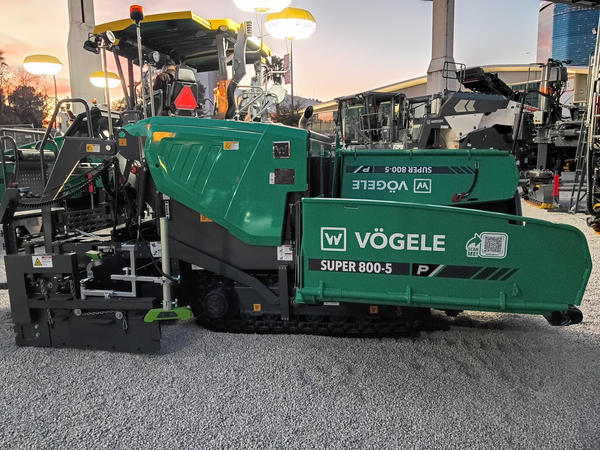
The SUPER 800-5 P-tier paver from Vögele features a wide hopper for commercial contractors. During CONEXPO-CON/AGG, Vögele product experts explained their mini sized pavers are ideal for narrow jobs, but customers had requested a more versatile hopper. The wide, foldable wings accommodate loading from haul trucks as well as skid steers.

The SUPER 800-5 P-tier tracked paver is the first Mini Class representative of the Dash 5 generation. Vögele equipped the small paver with the ErgoBasic 5 operating concept. Users have an unrestricted view to the front thanks to the new, double-folding material hopper.

The tracked paver features a 74-horsepower engine, paving widths from 4 feet, 7 inches up to 11 feet, 6 inches, and depths up to 8 inches with a laydown rate of up to 330 tons per hour.

For more information, visit here.

The Vogele Super 800-5 P on display at CONEXPO-CON/AGG features a widened hopper to accommodate loading from haul trucks.

Rental Refresh from Cat

Cat Rentals℠ launched a brand refresh and updated digital tools during CONEXPO-CON/AGG 2026 for a more seamless experience for rental customers across the Cat® dealer network. The digital enhancements are designed to offer more streamlined communication with a dealer, and integration of telematics information to provide better visibility into machine data for enhanced rental fleet management.

Cat Rentals is now part of a connected experience ecosystem that integrates with cat.com and VisionLink™. The redesigned rental management experience will also integrate the new Cat AI Assistant later this year to further help customers easily navigate the rental process. Ultimately, Cat Rentals will help enable more rental opportunities and insights for customers, providing a smarter, consistent rental digital experience.

For more information, visit catrentals.com.

Making Tracks

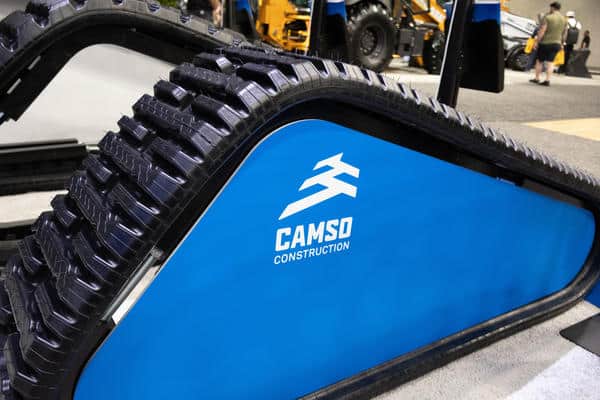
CAMSO Construction launched an all-new line of turf-friendly compact track loader tracks plus a new excavator chain-on rubber pad line-up for mini-excavators from 3T-15T during CONEXPO-CON/AGG. For compact track loaders, CAMSO Construction has announced an all-new Superior Durability (SD) track. Touting in-built forged metal bars and endless joint technology, the new SD tracks also sport a double-sided self-cleaning stepped lug design.

For more information, visit parent company, RPG Group www.rpggroup.com

Both the brand new compact track loader rubber track plus the new excavator chain-on rubber pad line-up for mini-excavators, were displayed at the CAMSO Construction booth at CONEXPO-CON/AGG.

Penetrating Rejuvenation

Nature Coatings, Las Vegas, announced in March the launch of BioBlack AR™, an asphalt rejuvenator engineered to extend the duty cycle of pavement infrastructure. Designed for high-traffic environments—from municipal roadways to industrial logistics centers—BioBlack AR™ utilizes a proprietary penetrating formula that restores the flexibility of the asphalt binder. This performance-driven approach is proven to extend the service life of pavement by 30% and reduce aggregate raveling by over 50%, according to the manufacturer.

“Our focus with BioBlack AR™ was to solve the biggest headache in pavement management: the high cost of frequent repairs,” said Jane Palmer, CEO of Nature Coatings. “By meeting the rigorous FAA P-632 standards, we are providing a product that performs under the most demanding conditions, ensuring safety through high skid resistance and durability that slashes long-term maintenance costs by up to 85%.”

For more information, visit https://www.naturecoatingsinc.com/asphalt

A Sweeping Partnership

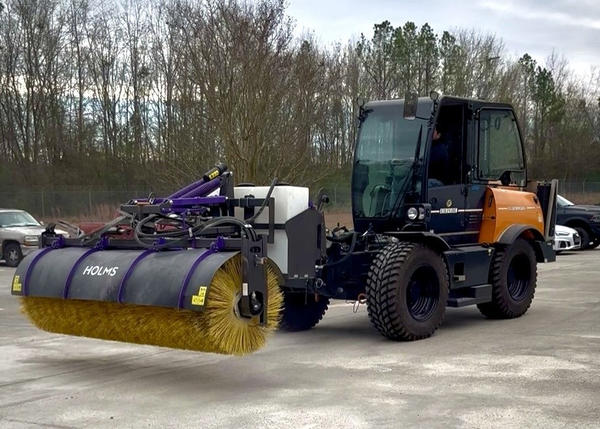
Holms Attachments, Hickory, North Carolina, and Energreen America, Aiken, South Carolina, announced in February a cooperation to provide U.S. dealers and end users with sweepers for the Energreen ILF self-propelled hydrostatic machines. The range of Energreen ILF self-propelled hydrostatic machines has been designed primarily for the

professional care of large outdoor spaces—such as cleaning roadsides. The Holms angle sweepers follow surface slopes and irregularities in every position thanks to their

unique, spring-loaded Self Adjusting Suspension system.

Alessandro Cazzin, CEO of Energreen America said, “We are happy to add the Holms product to our offering. The partnership supports our goal to be a complete supplier for the roadside maintenance customer.”

The Energreen ILF self-propelled hydrostatic machines now feature the Holms brush, which is supported by heavy-duty, long-travel springs.

Cracksealing Anniversary

Crafco, which produces, promotes and supplies specialized preservation products to the pavement, roofing, waterproofing and athletic surfacing industries, is celebrating a 50th anniversary this year. According to the company’s website, “Crafco delivers confidence through innovation, quality, and value since 1976.”

Throughout those 50 years, the company has taken on other entities as part of its growth. For example, in late 2010, Crafco purchased the then-second largest sealant and mastic material manufacturer in the United States, Deery American Corporation. In 2003, Crafco opened an equipment assembly and sealant distribution warehouse in Breclav, Czech Republic, which operates under the name Crafco OS in Europe. On Oct. 19, 2020, Crafco purchased the assets of Right/Pointe, LLC, located in DeKalb, Illinois, to enhance Crafco’s ability to better serve existing customers in the Midwestern United States.

Using the Screed Effectively: Part 3

Use the front mount vibratory screed effectively in asphalt paving

Starting with the February issue, we began a bit of a review on the three most common types of screeds we use in asphalt paving. In the second installment, we reviewed the U.S.-style rear mount design hydraulically extendable asphalt screed, and got into its primary area of expertise, which is mainline paving. This is also commonly known as the heavy highway class category, including interstates and airports.

Now let’s look in detail at the other common screed version that we see on most U.S. paving sites—the front mount (extenders are in front of the main screed unit) vibratory asphalt screed.

Using the Screed Effectively: Part 1

When to use the front mount screed

A front mount’s primary work type typically features a lot of difficult commercial and street paving work, such as tight quartered and variable width carparks, industrial sites along with complicated urban areas in major cities, especially those sites that have complex shapes and ever-changing dimensions.

This type of paving is very different from essentially straightforward mainline work. In this area, asphalt contractors have to quickly adapt “on the fly” to constant width adjustments, navigating around obstructions ranging from planters and light posts, wheelchair ramps and pedestrian refuges in private and commercial work, to abrupt carriageway width changes featuring long tapers into and out of lanes, intersections and roundabout approaches. To throw in another curve ball when you thought it couldn’t get any more challenging, many older urban roads are frequently highly crowned, meaning you often need to bend the main screed and dial in maximum extension + slope to maintain target thickness and avoid “running the screed aground” on high areas in the grade.

This is very challenging work. Those who do this work every day understand exactly what I’m talking about. I grew up doing this type of commercial paving; it’s not easy, I assure you. It soon sorts out those who can walk the walk, not just talk the talk. This is very labor intensive, precision work requiring much detailing.

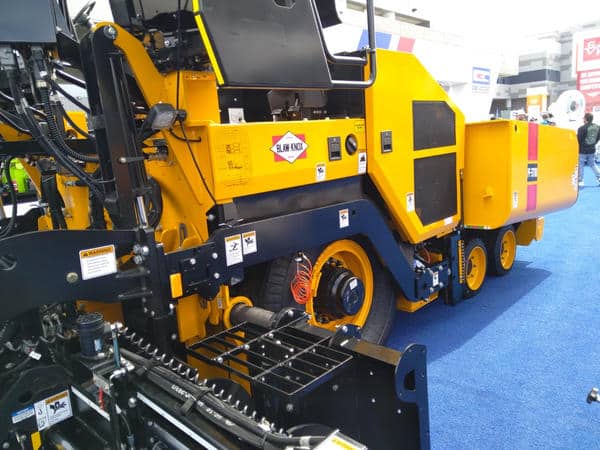
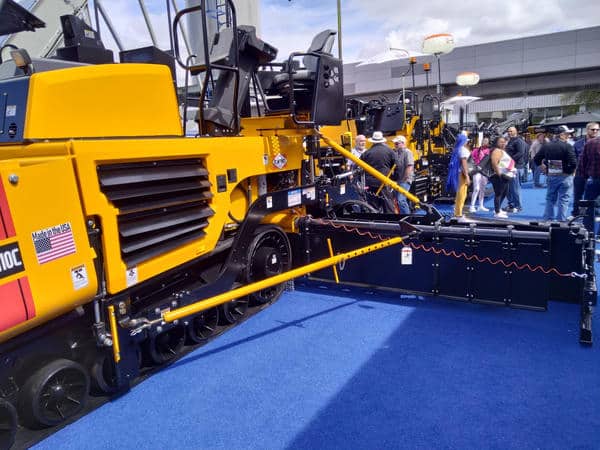
This is the Blaw-Knox OMNI 318 10- to 18-foot front mount vibratory screed on display. This screed has been proven since 1983 and, in my opinion, keeps getting better with each iteration. It features equal, 18-inch main and extender screed plate depths.

It requires a unique blend of flexibility, quick reactions and adaptability from a paver screed. These are features a well-designed and properly balanced front mount screed delivers in bucket loads.

Generally speaking, commercial paving work such as carparks and private work, along with thin mill and inlay, or overlay paving in metropolitan areas is less about a billiard table smooth mat and density, and more about mat appearance, neat finishing against adjacent features such as curb and gutter and achieving specified mat thickness on a grade that is frequently variable. In this vocation, the front mount vibratory screed bests a heavy highway rear mount on most counts, because it requires a fundamentally different skill set than what the rear mount offers.

Usually, a U.S.-style front mount vibratory screed is strongly built and able to cope with quite a lot of torsion and stress imposed on it, both in the transverse plane through extreme crowning, and also the longitudinal, when often differing requirements on either side of the screed require each tow point to sometimes be at extreme opposites to one other. That’s a big ask, I believe. If you have undertaken this work, it’s pretty unique how bent out of shape you can make a good front mount become, and yet it takes it in stride and comes back every day asking for more.

In this application, they generally perform well at depths of 1.5 to 4 inches thick. Most often the screed plate widths of both the main and extenders are not the same, and with one exception I know of, most front mounts can’t go double width as a rear mount usually can.

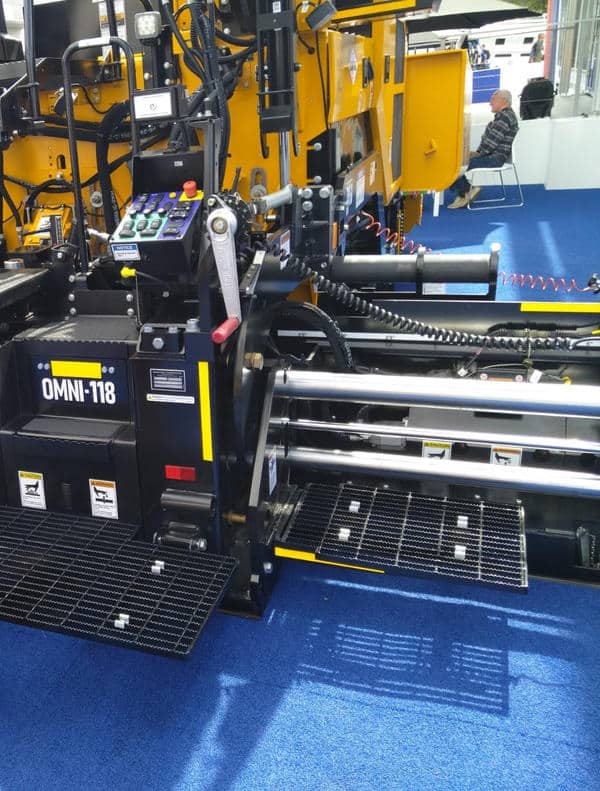
This is the Blaw-Knox OMNI 118 new model front mount screed on display. This screed also features 18-inch deep main and extender screed plates like its bigger brother, the OMNI 318.

The reason for this is due to the design of a front mount, which gives it one of its key strengths.

Remember, I just stated that a particular advantage of a well-conceived front mount screed is its ability to comfortably manage constantly changing paving widths. This is due to the fact the extender depths (front to back dimension or length) are typically half that of the main screed, and sometimes only one-third of the main screed depth. Commonly, the depth of front mount extenders is only in the range of 8.5 to 10 inches. Technically this is classed as a “strike off,” not a true screed plate.

The general industry rule of thumb for a screed plate is 12 inches or greater. There are currently only two front mount brands that offer this. One range is the Vogele VF 500 8-foot and VF 600 10-foot commercial front mount models, while the other is the Blaw-Knox OMNI 318 10-foot front mount. This is a unique design which I’ll delve into.

The narrow strike off extender plates both allow a front mount to carry a much smaller volume of mix in front of the main screed, and for them to be retracted on demand quite quickly. This feature is exceptionally desirable and a real advantage on variable width paving work.

Because of that, the front mount requires an open void or gap between the inner ends of each extender when the screed is fully retracted to its 8-foot or 10-foot basic width. This is so it can basically “store” all that mix that was being carried in front of the main screed at moderate to maximum paving widths. For example, if you were paving a typical lane width of say 12 feet wide, on an 8-foot front mount, this means each extender would typically be pushed out around 2 feet. Imagine you encounter a temporary lane width narrowing, such as a concrete pedestrian refuge that projects out into the lane, meaning you have to quickly reduce the width to say 9.5 feet. All of that material has to go somewhere when you retract the extenders in over half the distance they were out just a moment before. The front mount design provides the space for you to do this.

However, a rear mount’s ability (versus a front mount’s) to feed material out to wider widths soon becomes apparent, once you have each front mount extension pushed out 2 feet or more.

While a rear mount can manage up to twice its basic paving width without having to add bolt-on auger extensions, generally once you go wider than about 20 inches with a front mount type extender, it becomes harder to get material out to the end gate, and it’s better to install a set of 6- or 12-inch bolt-on auger extensions, provided the default minimum paving width you intend to do will allow for this.

QUICK TIP: Beware of a trap for the unwary. Because bolt-on auger extensions and guards are essentially a fixed width and can’t reduce below the length they are, if you find the need to drastically reduce your paving width on the fly to deal with some kind of obstruction, it can be easy to become preoccupied and lose sight of the imminent collision you might have between the outside of the fixed auger extensions and the telescopic screed extensions.

Using the Screed Effectively: Part 2

Real-world use

Commercial paving contractors frequently have to build a lot of takeoff pads by hand due to the work requiring many paving runs to start off against a wall or some other impediment on a building site. This is a labor intensive, repetitive step and the 16-inch depth of a rear mount screed’s plate forces you to build a much longer start off pad for your screed structure to sit on for each new run. Time is money, and commercial paving crews don’t enjoy having to exert more manual labor and time to construct longer take off pads than they need to, especially when a nimble commercial style front mount with its generally much narrower extender plate depths offers them an easier way. This is why front mounts are preferred in variable width and parking lot paving work.

There are some disadvantages to the front mount design to keep in mind. Having significantly shallower (front to rear dimension) extender screed plates versus that of the main screed depth, leads to a much different mat texture across the full width of the screed, with sometimes inconsistent mat densities at fully extended or even moderately extended paving widths. This is because with such a shallow footprint, the mix passing beneath the extenders only gets about half the amount of time to receive energy and weight into it, relative to the much deeper main screed plates.

The Blaw-Knox UltiMat 160 front mount vibratory screed is the only front mount screed I’m aware of that can go double its basic width, making it unique.

Because of this, it is often necessary to dial in around ¼-inch positive extender angle of attack relative to the main screed. What I mean by this is the front edge or bullnose of the extenders needs to be at a steeper attitude than the main screed angle of attack in order to force feed more material under those short strike off plates to try and pack in more density and to match the mat texture behind the main.

These screeds require properly trained, skilled screed operators who understand the correct operation of the screeds they are in charge of, and how to make the necessary adjustments when required to maintain acceptable mat texture, density and a smooth mat free of transition lines.

I need to tell you that it isn’t as simple as “one and done” on a front mount. Different mat thicknesses require more or less angle of attack on the extenders, as do different types of mixes. If you are placing a 3/8-inch or smaller nominal maximum aggregate size (NMAS) carpark mix at around 1.5 inches one day, then the following day you need to place a ¾-inch NMAS FAA-spec asphalt at 3 inches thick, you are going to need to put in some work to fine tune it, because it won’t lay the same. Some can be a bit fussy to get the best out of them I’ve found. Nevertheless, there are a few really good front mount designs about.

I have found some model front mount screed designs to be not very well balanced due to their weight distribution and positioning “fore and aft” (and in the vertical plane) of their screed pivot point. This is the pin lower down on the screed drop arm, which allows the depth cranks to set the main screed initial angle of attack or pitch. By its very nature, the location and position of this pivot point affects the screed’s behavior. Sometimes, it can prove quite challenging to get a front mount to place a perfectly flawless mat, completely free of transition lines. It takes effort.

There are a number of very capable and popular U.S.-made front mounts out there that, such as Blaw-Knox’s time honored and unique double width 8- to 16-foot UltiMat 160 and UltiMat 16 models, plus the 10- to 20-foot UltiMat 200, Caterpillar’s 8-foot SE47 FM and 10-foot SE60 FM, and Carlson’s EZIV 08 and 10, that are all very well proven, solid platforms, and could all be considered as an industry standard, in my opinion, along with Vogele’s 10-foot VF 600 and 8-foot VF 500 models also.

As always, there can be an exception to the rule, and I’m going to touch on that one next.

The Blaw-Knox LBP front mount model 01E is an 8- to 16-foot vibratory screed.

That of course, is the legend of all proven heavy screed platforms, the Blaw-Knox OMNI 318 10-foot front mount. This over 40-year-old veteran is unlike anything else, because no other front mount offers similar features. It has equal depth (front to back), 18-inch main and extender screed plates (double a 9-inch strike-off), along with the original Blaw-Knox conceived pre-strike off plates that are located in front of the main screed. These function to carefully meter the amount of mix that is carried in front of the main screed, allowing operators to maintain just the right amount to float the screed, but not so much it prevents the extenders from being able to fully retract back in on demand. I really like this type of screed; it imparts a particularly tight, ironed mat texture, similar to what you normally associate with a heavy highway class rear mount vibratory screed.

Now the previously highlighted front mount platforms from Blaw-Knox, Cat, Carlson/Astec and Vogele are all fairly heavy units, and rightfully fit into the heavy commercial/heavy highway line.

On the lighter, commercial side of it, for the contractors who specialize more in carparks, private driveways and more lightly trafficked secondary roads, there are pretty much five well known manufacturers who have become household names: LeeBoy (recently acquired by the FAYAT Group, which also owns Dynapac and Bomag), Weiler, Carlson/Astec, Dynapac and Mauldin.

Conclusion

This final installment has focused on the front mount vibratory hydraulically extendable screed, but don’t forget your other options. If you specialize in more than just heavy highway or commercial paving, there are plenty of folks out there who make a living by covering all of those bases on a routine basis. While there is no hard and fast rule, and it is true that a rear mount can be used in commercial work and a proven, solid front mount platform easily delivers heavy highway, high spec FAA type work and even precision racetracks, I suggest the 70-30 rule as a guide.

If 70% or more of your work is straightforward, constant width mainline and heavy highway paving, probably one of the proven rear mount platforms we covered earlier would serve well.

Conversely, if nearly 3/4 of your primary work is difficult, variable width and commercial work, then I’d suggest looking closely at a well-respected front mount screed. It’ll be your best friend. Select the right screed for the right project with the right parameters, and you can’t go wrong.

Benjamin Everett is the owner of About Asphalt Ltd., and has worked in the asphalt industry for nearly four decades. For more information, contact him at bjeverett@aboutasphalt.co.