
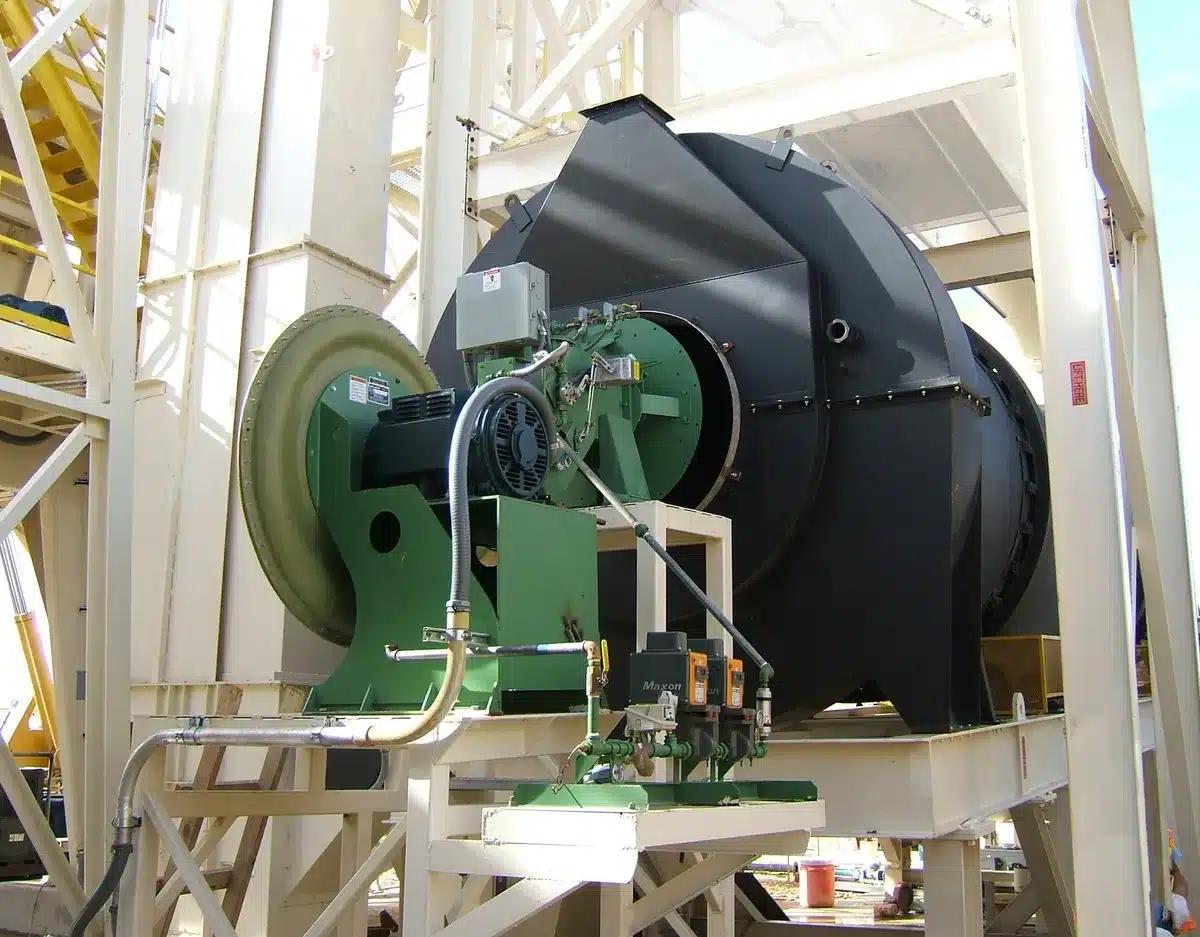
A main component of the dryer is, obviously, the burner. Because burner design varies by manufacturer, you will want to consult the operations and maintenance instructions of the specific burner model prior to any maintenance or adjustments. Whether you’re working with a continuous plant’s rotary mixer or a batch plant’s dryer, there are some aspects of the burner that will remain constant when you perform your inspection.
- As always, begin with lockout/tagout and all safety procedures.
- Check the Y strainer, filters, water separators, pre-heater, valves and safety switches.
- Inspect all fuel lines for signs of wear or damage. Make sure you follow OSHA protocols for asphalt plant sites when dealing with potential fuel leaks, whether natural gas, propane or other. Note damaged lines for replacement.
- Inspect all piping, fuel lines or valves for any leaks. Note those for immediate repair or replacement.
- Check for proper fuel pressure, which will be listed in the manufacturer’s documentation.
- Check the burner tube and teepee for wear.
- Check flame eye cooling air for proper operation.
- Has the burner been re-certified under National Fire Prevention Association (NFPA) guidelines? Many insurance and other regulations require periodic, independent inspection.
If you have comments on any of the burner elements you’ve inspected, make those notes for your grounds crew, mechanic or certified burner technician, and set a date by which you’ll check back on the progress of repairs.