
When the Paver Won’t Pave: Overcoming Equipment Issues
BY Bill Stanley
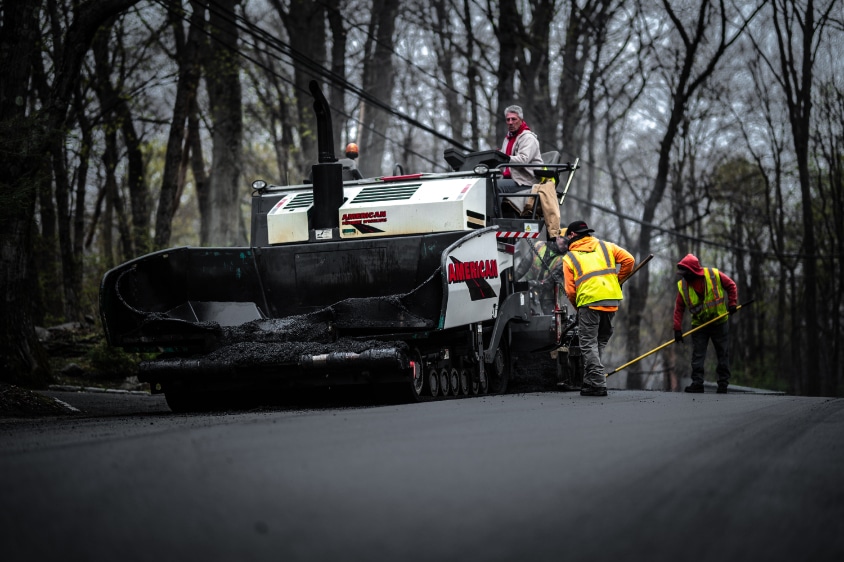
We had our paver break down on one of our jobs last summer. The paver itself was fine, but one of the sensors started acting up. No one on our crew knew where this sensor was, or that it even existed, until it shut down our project as five loads of asphalt sat in the middle of the parking lot, waiting to be paved.
Eventually, we found the problem—a loose wire. We jiggled it and everything started working again just fine. But it took us an hour to locate. Since it was summer, the asphalt was still hot and we had plenty of daylight left. We were able to stay late and get everything paved before heading home around 7:30 p.m.
That $12 sensor cost me some overtime, but if it had gone out on a colder, shorter day, we’d have had a real problem on our hands. There’s no way we’d be able to pave all that asphalt in the dark and cold and still leave our customer with a quality product. That sensor might have cost me a loyal customer or else $10,000 in wasted asphalt.
Your typical paving company might be able to take a loss like that every once in a while and stay afloat. But taking that kind of loss once a week? Or taking an even bigger loss once a year? That could be enough to sink even a successful company like ours.
When you’re handling a perishable product like asphalt, an equipment breakdown can end up costing a whole lot more than the cost of the replacement parts. Here are my best practices for maintaining equipment—and what we at American Pavement Specialists do in the event of a breakdown.
Asphalt is a perishable product. That’s why problem solving is such an important skill in our industry. You have to be ready to overcome any challenge—and fast—before that HMA is just a pile of black rocks.
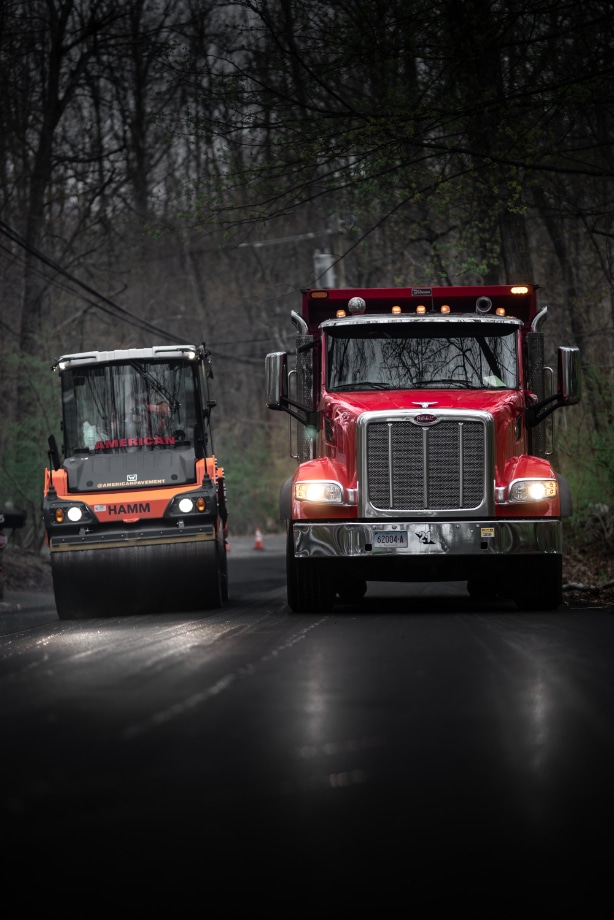
“We prefer to stick to certain brands we’re familiar with, but at the end of the day I don’t care much about the name on the machine,” Stanley said. “All machines are going to break. What I care about is the service I’ll get when that happens.”
1. Invest in Top-Notch Equipment
We prefer to stick to certain brands we’re familiar with, but at the end of the day I don’t care much about the name on the machine. All machines are going to break. What I care about is the service I’ll get when that happens.
We look for brands who partner with dealers we know we can rely on. We want a dealer that answers the phone when we call, stocks every part we need, has skilled mechanics and technicians, and has auxiliary equipment available to us if we need it.
There are two reasons we buy new equipment. One, when there’s new technology we think is important to our jobs or the industry is requesting. Two, when that machine starts seeing heavy wear. If it’s a staple piece of equipment, like a paver or a roller, we’ll swap them out pretty early regularly.
2. Perform Preventive Maintenance
When it comes to preventative maintenance, it’s obviously important to pay close attention to all your service intervals. It’s also important to perform daily, weekly, monthly preventative maintenance on your machines.
A clean piece of equipment will typically run better. That buildup on your machines makes them run hot, so if you aren’t keeping your equipment clean that decision will come back to bite you. Do you want your machine to overheat and shut down when you’re in the middle of a big job on a hot day—because you haven’t taken the time to clean your machine properly?
Another aspect of preventative maintenance is to train your operators to get to know the quirks of their machines. A skilled operator who uses the same machine regularly may be able to hear or feel a problem before the sensors or error codes even go off!
This is another reason why we tend to be brand-loyal, even though I don’t care much about the name on the grill. Once you run a machine for a couple of years, you begin to understand its quirks and can better prepare to get ahead of them.
When we come across an issue on the job, our crew is pretty mechanical and can often fix issues themselves—unless it’s something a technician needs to fix. A lot of modern machines will throw codes that shut down the machine, and you need a technician trained by the manufacturer to resolve those. Last summer, we had a machine go down and the technician was able to diagnose and resolve the problem from his phone! For problems in between what our crew can do themselves and what requires a technician, we have a local mechanic on speed dial.

3. Stock Up on Spares
When we’re on a job that’s far from our yard, we make sure to bring common replacement parts to the job. This gets easier when you get to know the quirks of your equipment. For example, we have a beautiful paver that we love running, but the O-ring on its hydraulic pump breaks pretty often. The first time it broke, it took us a while to locate the issue. It’s an $0.80 rubber seal, but it’s an important part of the machine. One month later, the O-ring broke again. Another month later, it broke again. We started bringing spare O-rings with us on every job.
Stocking up on spares doesn’t stop with parts. On particularly important jobs, jobs far from our shop, or when paving in cold weather, we might even bring a spare paver or roller to the jobsite. Just the other day, we were on a project and the paver broke down. Because we had our spare paver on that project, it wasn’t a problem to heat it up and swap it out until our primary paver was repaired.
4. Have A Backup Plan
If you don’t have auxiliary equipment, you still need to have a backup plan. My rule of thumb is the more trucks you have on a job, the more important it is to identify auxiliary equipment ahead of time. Other factors I consider are the importance and timeline of the job and its proximity to our shop and our dealers’ auxiliary equipment.
Know your local dealers and who has what equipment for you to rent on a moment’s notice. Consider friends in the industry you could call on to borrow something in a pinch. Over the years, I’ve built good rapport with other contractors in our areas. It’s not unusual for me to get a call about borrowing spare equipment.
Not too long ago, I got a call at 6 p.m. on a Friday from a contractor from Pennsylvania who was paving in our area. His brand new paver had broken down, he didn’t know how to fix it, and there was $20,000 of asphalt waiting to be paved on a big parking lot job. Sure, I could have been mad about the extra competition coming from out of state, but I wouldn’t wish that situation on my worst enemy. We brought over a spare paver, it saved his project and I made a friend.

5. Know Your Limits
Last year, a friend of mine who runs a large asphalt paving company called me with a huge job to pave a stretch of a highway. It was a simple job that paid very well, but I turned it down. The job was scheduled for the very end of the paving season, placing 8,000 tons from Friday night to Sunday night.
To feel comfortable in those conditions, I knew we’d need backups of every piece of equipment that we just don’t have. We’ve paved highways before, but it’s not something we do every day, so we only have one highway paver. That wouldn’t have been a problem if the job were happening in the summer, when I’d have enough time to find a solution to any problem that might come up. But the truth was I didn’t have the equipment I needed to do that job that time of year.
6. Learn From Your Mistakes
Maybe nothing would have gone wrong on that project and we’d make a bunch of money in one weekend. But maybe everything would have gone wrong and the project wouldn’t be up to the standards we set for ourselves. No one who’d ride that highway would know the terrible conditions we were paving in. Bad weather, a tight timeline, long lines at the plant, or a broken paver. All they’d see is the end result and judge us for it.
If I’d had that offer when I was younger, I would have jumped at the chance no matter the time of year. Now that I’m older and wiser, I knew it was a risk I shouldn’t take. I’d rather protect my reputation than have that money (or risk losing money, if something went wrong).
I’ve seen a lot of paving done wrong in my career. I’ve paved in all kinds of conditions. I’ve made mistakes and learned from every single one. Experience is the only real way to learn the best paving practices for when conditions aren’t the best—but I hope this four-part series has given you a bit of a shortcut to that experience.