
When and How to Add a Magnet to Your Crushing Circuit
BY Sydney Princehorn

Remove deleterious material according to type, size, configuration and more
At first glance, selecting a magnet for your crusher might seem like a straightforward decision; get the magnet if you have metal in your material, and don’t get the magnet if you don’t. However, the reality is far more complex. Choosing the right magnet involves understanding your specific operational needs, material flow and the type of metal you’re trying to remove. Factors like installation location, maintenance requirements, and the nature of your crushing environment can all significantly impact magnet performance, and, ultimately, the efficiency and safety of your entire operation.
Self-cleaning magnets automatically discharge collected metal, which can be ideal for high-volume operations.
How Engineers Moved a Giant Crusher System 2.8 Miles Across a Chilean Mine
Magnetic Need
Determining if you need a magnet usually revolves around a few questions:
- “Can my system tolerate metal contamination?”
- “What’s the cost of a damaged rotor, jaw plate, or liner?”
- “How long would an unexpected shutdown cost in terms of lost production?”
For most operations, even a single unplanned outage can cost tens of thousands of dollars, or more. Many operations have secondary and tertiary operations that may be more sensitive to metal that can damage your equipment. Another consideration is the use or specification of your product. Some specs do not allow for metal contamination in the end product.
However, you will want to start by evaluating the source of your material. If you are crushing recycled concrete or asphalt, these often contain rebar, wire mesh or other embedded metal. Demolition debris may include nails, screws, pipes and structural steel. Larger, uncrushable material should be removed from the source material before being introduced into the crusher. Many crushers in a primary position will be designed to accept a certain size, volume and type of metal, and will help liberate the metal from the concrete for better removal by magnets. Quarried rock or virgin aggregates are generally cleaner, but still not immune to occasional tramp metal from loader buckets or maintenance tools. If your feed material has any likelihood of containing metal, a magnet is more than likely a necessity.
Powerscreen Crushing and Screening Service Team Overcomes Extreme Conditions
The type, size and volume of metal in your material stream directly affects the kind of magnet you need. For instance, long lengths of rebar, or large, steel components require a stronger magnetic field and wider coverage area to ensure complete removal. In contrast, smaller fragments like nails, bolts or wire mesh may be captured by a lower-strength magnet, but could still accumulate quickly, and may be buried under product on the conveyor that will hinder the magnet’s ability to liberate it from the material, requiring a self-cleaning system to maintain efficiency. Ferrous metals like steel and iron are easily captured, but keep in mind that non-ferrous materials like aluminum or copper won’t be affected by standard magnets.
Understanding the specific metal contaminants in your feed helps determine not only the strength and placement of the magnet, but also whether you need a single unit or a combination of magnetic and metal detection systems for optimal protection.
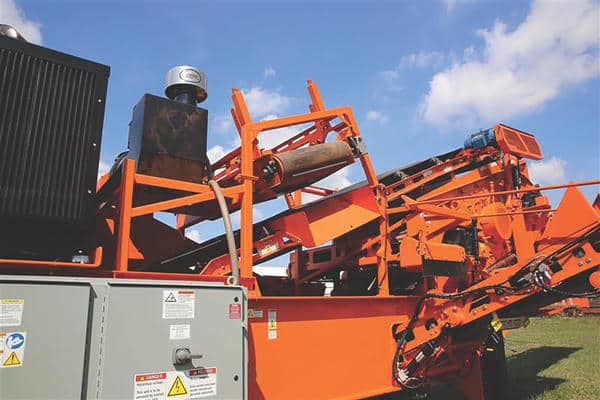
It’s crucial to take the time to carefully evaluate your options, consult with experts, and choose a magnet that’s truly suited to your operation to ensure the health and longevity of your crushing system.
Your Most Attractive Magnet
Once you determine if a magnet benefits your operation, you next want to consider what type of magnet is best for the operation. Just like with any equipment, not all magnets are created equal.
Self-cleaning magnets automatically discharge collected metal, which can be ideal for high-volume operations. Manual-cleaning magnets are more cost-effective but require regular downtime for maintenance. Suspended magnets are mounted above the conveyor and remove metal from the material stream. Drum magnets are positioned within or at the end of conveyors for a more integrated solution.
Not only are you determining what type of magnet you might need, you also must choose the right configuration, depending on your throughput, material type, space availability, desired discharge point and budget. Magnets can be located at any point in your system from a cross-belt magnet at the bottom of your primary crusher’s discharge conveyor, to an inline magnet, attracting rebar, parallel with the conveyor it is sorting before your screening machine.
Once you decide on adding a magnet to your system, it’s important to let the experts help you. While adding the magnet on yourself may save money in the immediate time frame, it could end up causing you costly downtime or equipment failures. You should always work with the magnet manufacturer or your equipment manufacturer for proper installation instructions and support.
In the end, what may seem like a simple equipment choice can have major consequences for the performance, longevity and cost-effectiveness of your crushing system. A poorly selected magnet can lead to equipment damage, production downtime, and even safety hazards. That’s why it’s crucial to take the time to carefully evaluate your options, consult with experts, and choose a magnet that’s truly suited to your operation. With the right magnet in place, you’ll not only protect your crusher, but also ensure smoother, safer, and more efficient processing.
Sydney Princehorn is the senior marketing coordinator for Eagle Crusher Company, which is home to a team of experts and a network of magnet manufacturers. The company prides itself on customizing the perfect crushing system.