
Control the Feed to Control the Screed
BY Benjamin Everett
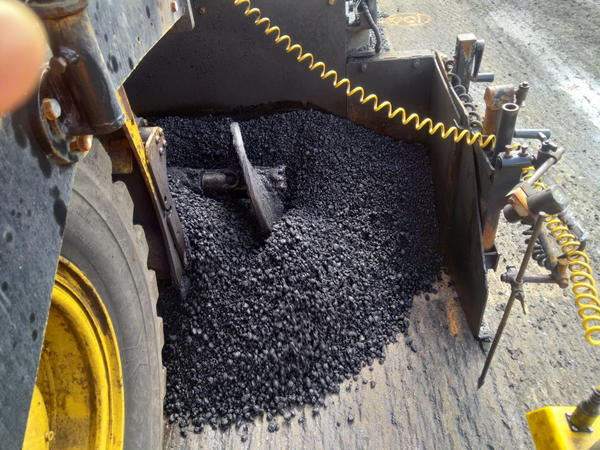
Asphalt paving training tips to control the head of material and screed performance
Constant, ongoing observation and evaluation, then timely intervention, is critical to maintain a consistent head of material. This is the bedrock of accurate, repeatable, consistent quality results when paving. To me, it seems a lot of operators aren’t sure when to intervene and make adjustments to the material feed sensors. This directly results in inconsistent outcomes, variable depths and noticeable mat texture differences. Here, we’ll get a proper understanding of what to do, when to do it and how to do it for confidence in the paving process.
Establish and Maintain Good Levels
Establishing and maintaining a suitable amount of material in front of the entire screed (including the extensions) is in my view the single most important skill set required to build high quality, smooth asphalt mats consistently. The head of material directly impacts the screed’s behavior, your ability to control it, and everything that passes beneath the screed plate.
I routinely refer to the U.S. Army Corps of Engineers’ “Hot-Mix Asphalt Paving” handbook published in 2000, AC 150/5370-14A Appendix 1. It reinforces the importance of managing the head of material. This excellent reference states that approximately 90% of all mat defects can be traced back to both an unmanaged head of material and poor screed set up.
Frequently I observe people who either don’t appreciate the importance of this paving fundamental or don’t consider the downstream negative effects an uncontrolled head of material invariably leads to. Being that it is such an important procedure to both understand and master, I think it’s timely to have a bit of a refresher on it.
Screed Influences
There are several forces acting upon the screed which influence its behavior and the resulting mat quality and texture. Some of these things we may not have too much control over, such as weather, trucking delays, mix temperature and the existing grade, but the head of material is absolutely within our control, and it is the screed operator’s responsibility to manage this process.
If your head of material is both erratic and variable, this directly alters one of the primary forces acting on the screed. We need to manage that. Failure to do so will lead to inconsistent mat texture and thickness, and creates a lot of avoidable quality issues.
You can fit all the automation you want to control the thickness, slope or grade, but it will not be consistent if the feed isn’t consistent.
For some reason, I often observe people uncertain about what to do on this matter, and it appears on occasion they think because the paver has sonic auger feed sensors installed it should control the feed automatically by itself. But it doesn’t work like that.
Every time you extend or retract the extender(s), increase or decrease paving speed or alter the auger height, this fundamentally alters the view the sonic feed sensors have. In other words, if you have done a great job establishing a consistent head of material (about halfway up the auger shafts along the full length of the screed) but then something changes, you must also make adjustments to the feed sensors to accommodate those new circumstances. You must readjust the sensor.
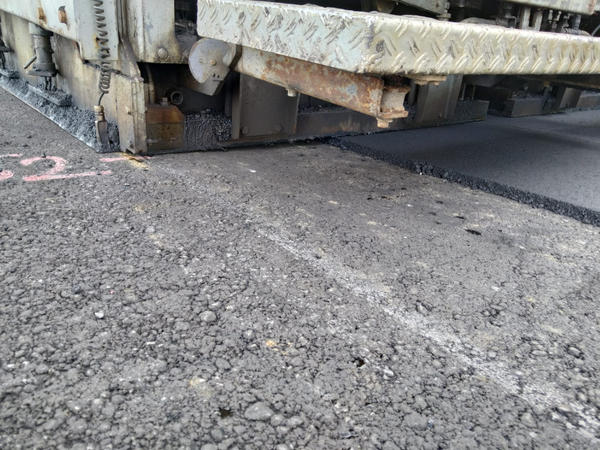
The screed is a precision tool and feeding a consistent amount of material to it is paramount to success. When the surface to be paved has dips or poorly milled areas, the screed operator has to make adjustments to the material feed. In this picture, you can see how the paver is being used to pre-level or shape-correct an area that was too far out of spec to correct in one lift. In this instance, the left-hand side of the screed is dragging to zero on the existing grade. This will harm the screed and cause problems for precision paving in the future. Dragging the screed plates on the grade is not good.
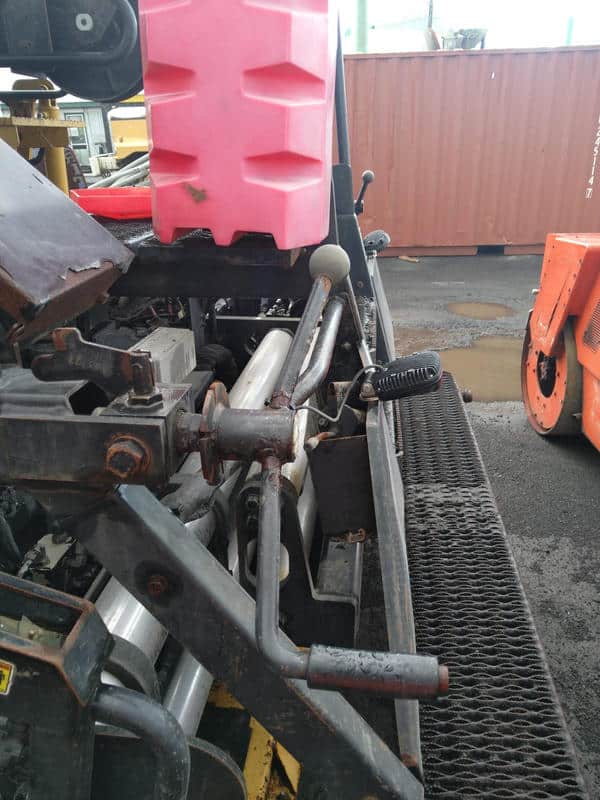
Remember, the sonic feed sensor needs to be pointed at a 90-degree angle to the pile of fresh asphalt being augered out. When the screed extenders are shifted in or out, it often results in a change to the sensor angle. You need to adjust it and refocus how it sees the head of material. If the original circumstances it was set up for change, its setting must change, too.
I find using something like an 18-inch-long object such as a straight edge or retractable tape measure can help to indicate that the sensor is angled correctly. Place it next to the auger sensor tube so you can see how it’s aimed.
Once you start pushing the extenders out more than about 50% of their travel (typically 19 inches with an 8-foot screed), it is important to mount both tunnel guards (or hydraulically extend them out if you have this feature) and install at least 16 inches of bolt-on auger extension to allow you to confine the head of material and to properly auger the material out to the endgates without overloading the center. You ideally want to aim for a distance of 16-18 inches from the ends of the auger shaft and tunnel guards to the endgate. Don’t have it too close to the endgate, though; it needs a bit of room to work properly and steadily. If it’s too close, it’ll be typically running on-off instead of a nice, consistent and steady speed like 20-40 revolutions per minute (rpm).
Width vs Speed
Trying to pave too wide without installing mainframe and auger extensions usually overloads the head of material in the center of the machine, and you will see it rocking the tractor side to side, behaving more like a boring machine than a paver. Don’t allow that to happen. Having far more material in front of the screed creates multiple problems and typically results in:
- an excessively large pile of material that puts a lot of unwanted and undesirable forces on the screed. Often too much material will tend to make the screed rise because there is a lot more resistance acting on the screed than it both requires and should have. It also creates a steep-sided pile of excess material that will segregate because it’s not confined or contained in a tunnel.
- excess mix. If you are doing a lot of short pulls like 100-foot-long runs in a car park or commercial job, you are going to have a lot of excess mix to pick up at the end of each pass.
- material segregation. If you are paving longer runs, a lot of that excess head of material will basically stagnate in front of the extenders and not be consumed, nor will it pass under the screed. That’s a bad idea and it’s not going to do anything good for your mat, quality-wise.
- stress on the components. Consider the enormous and unnecessary stress and load a larger than required head of material also directly puts on the tractor, screed and material handling system; fuel burn goes way up, as does wear and tear on the augers and the extender bushes.
- loss of traction. If you are trying to drag a lot more material than the screed actually needs to float properly on a soft or marginal base, often this can cause the tractor to spin out or lose traction; particularly on a wheel paver or when paving up a steep grade or on wet tack.
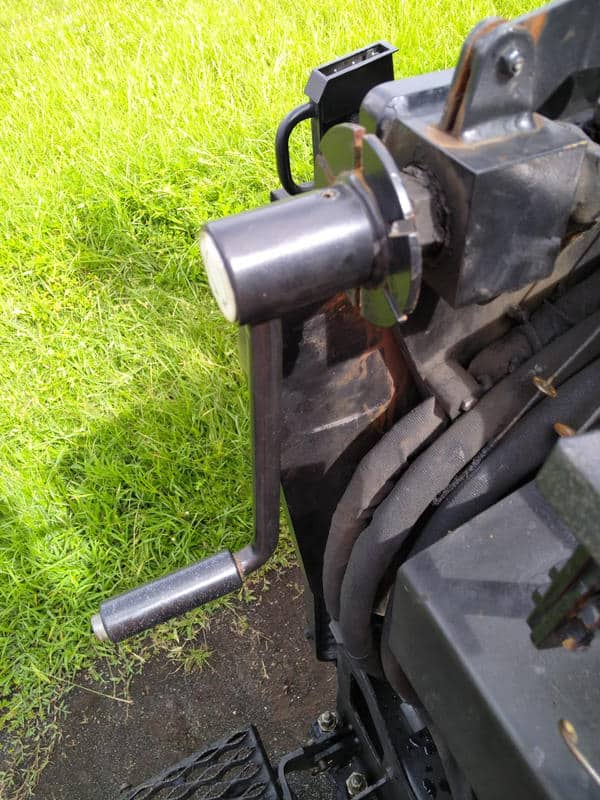
If you are not confident or familiar with how to adjust the position of your auger feed sensors on the fly, the best idea is to practice. Say you have a wet day and you’re in the yard cleaning the paver. Request from your manager if you and the crew can use it as a training day and run fine crusher material through the paver and practice. You can also use this as an opportunity to hone the entire crew’s capabilities on running the screed so you have some additional members of your team who get to understand how the screed behaves and reacts. Cross training is very beneficial.
QUICK TIP! The material you use for “training day” should be fine crusher material such as <7mm or ¼-inch nominal maximum aggregate size (NMAS) dust to prevent extra wear and tear to the paver. You want to avoid running something like a 2-inch NMAS basecourse or gravel through the paver for this extra training as this leads to accelerated wear on the feeder components.
There is further excellent related training material and courses to complement and enhance this subject with AsphaltPro Magazine’s Asphalt Paving 101 resources with John Ball III, as well as Caterpillar’s Paving by the Numbers with Todd Mansell.
The reason why I consider it so important to discuss the issue of managing the head of material is because it’s arguably the primary factor in determining a consistent, quality outcome. And it’s completely within every screed operator’s ability to control.
Benjamin Everett is the owner of About Asphalt Ltd., and has worked in the asphalt industry for nearly four decades. For more information, contact him at bjeverett@aboutasphalt.co.