
Modern Dispatch and Scale Ticketing for Asphalt
BY Greg Fleisch
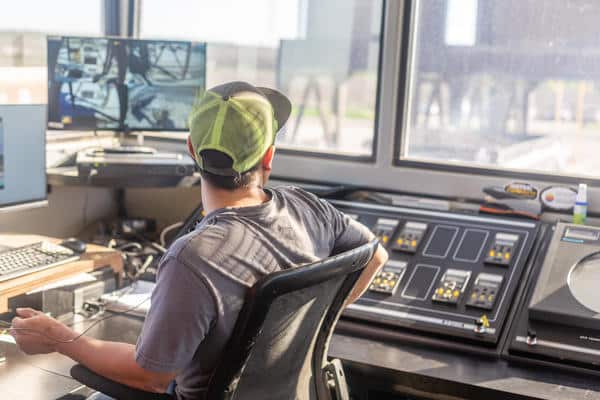
There is a moment most asphalt producers know well. A truck is sitting at the scale, the driver is waiting, the plant is running and the phone is ringing again. Someone is flipping through paper tickets while someone else is rekeying the same information into another system, and dispatch is answering another “Where’s my truck?” call.
Nothing is broken, the process works, but there is undeniable friction at exactly the points where speed and accuracy matter most.
Walbec Updates, Integrates, Innovates with Command Alkon’s Apex
Familiarity Costs More
Most asphalt operations did not end up with this scenario by accident. These processes were built over time, layered in as operations grew, and for a long time they have gotten the job done.
The problem is that what used to be “good enough” starts to show its age when production speeds increase, margins tighten and expectations go up across the board. A load gets entered at the plant, then entered again in the office, and later someone must reconcile the two for billing. Each step seems reasonable on its own but analyzed as a whole, they create extra work and plenty of opportunities for mistakes. A missed digit or a misplaced ticket might not seem like a big deal until it turns into a billing delay or a customer dispute.
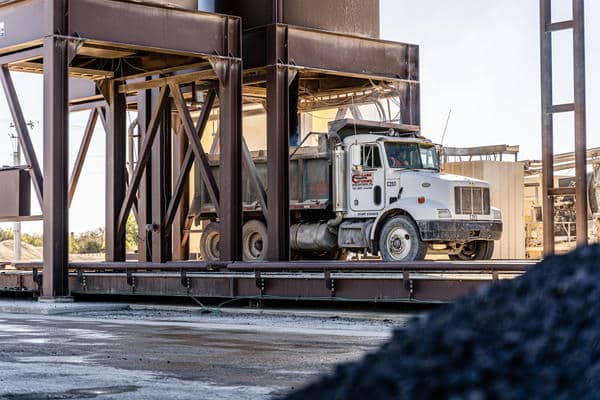
Over the course of a day, week or month, those small issues add up. Trucks take a little longer to turn. The line backs up a little more than it should. The office spends more time sorting things out than moving things forward.
None of it is dramatic, but it is persistent. And persistent inefficiency has a way of quietly eating into both time and margin.
It’s important to recognize that connecting new and efficient processes across the business is not just a small operational tweak. It represents a broader shift in how the operation is managed, and it requires alignment from leadership to make it stick.
Connection
What has changed in recent years is not just the technology, but the expectation that systems should work together and processes should be streamlined across the operation. Modern, cloud-based platforms are built around that idea. Instead of separate systems at the plant and in the office, they provide a shared foundation where dispatch, ticketing and operational data all live in the same environment. The goal is simple. Capture information once and let it move through workflows without being touched again.
When ticketing is handled digitally at the source, that information can flow directly from the plant to the office in real time. Solutions designed specifically for bulk materials operations, including asphalt, are increasingly focused on standardizing these workflows so that scale houses are not relying on workarounds or manual steps to keep things moving.
That alone eliminates a surprising amount of friction.
Instead of tracking down answers or double-checking entries, teams are working from the same data at the same time. The scale house keeps moving, dispatch and the field have better visibility, and the office is not waiting on paperwork to catch up before doing its job.
It’s not about making things more complicated. If anything, it tends to simplify the day-to-day because fewer steps means fewer chances for something to go sideways.
Customer Expectation Shift
At the same time, customers have gotten used to a different level of visibility in almost every other part of their business. They can track shipments, check statuses and pull documents on their own schedule.
Then they get to materials, and suddenly it’s back to calling dispatch and hoping someone can give them an update.
That disconnect is becoming more noticeable.
Many producers are starting to address this by offering customer-facing portals that provide access to order status, ticket information and load activity. When the field can find that information on their own, the volume of routine calls tends to drop, and the plant can stay focused on keeping trucks moving instead of answering repeat questions.
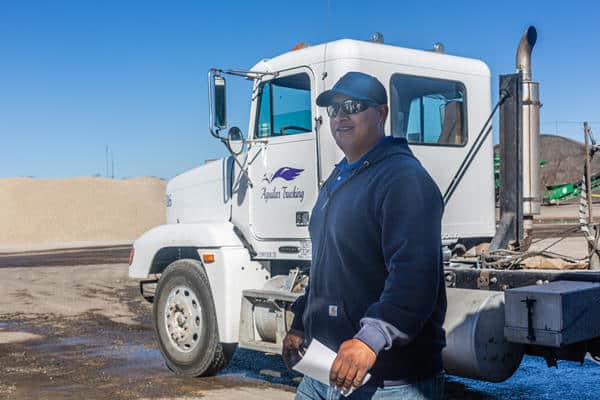
When customers have access to clear, timely information, they plan better, call less and gain confidence in the operation because it feels predictable and consistent. In a competitive market, that reliability and ease of doing business carries real weight, and producers who provide it are less likely to see customers looking elsewhere.
A Practical Path Forward
For most producers, modernization is less about making a big leap and more about removing the steps that do not need to be there anymore. At the same time, it’s important to recognize that connecting these processes across the business is not just a small operational tweak. It represents a broader shift in how the operation is managed, and it requires alignment from leadership to make it stick.
Platforms like Command Cloud are part of this shift, providing a connected environment where dispatch, scale ticketing, fleet activity, inventory, sales and back-office processes operate together instead of in isolation. When those pieces are aligned, the operation starts to function as a single system rather than a collection of handoffs. Within that kind of framework, purpose-built tools for dispatch and scale ticketing help standardize loadout workflows and eliminate the need for re-entry, while customer portals extend visibility outward without increasing the burden on dispatch or sales teams.
The result is not a completely different operation, but it is a more connected and coordinated version of the one you already have. The day runs with fewer interruptions, trucks move more consistently, and the office spends less time fixing problems and more time keeping things moving. That kind of improvement does not happen by accident. It comes from taking a more deliberate approach to how information flows across the business and making sure teams are working from the same playbook.
At the end of the day, asphalt production is already a complex business with a lot of moving parts. There are enough variables to manage without adding avoidable friction between systems and teams. Cleaning that up is not about chasing the latest technology. It’s about putting the right foundation in place so the operation can run more consistently, scale more effectively and adapt as demands continue to change.
 Greg Fleisch is a solutions specialist at Command Alkon with 25+ years’ experience in asphalt operations and technology/software, supporting customers from evaluation through implementation and optimization.