
Save Costs: Connect the Job Site
BY Matt McClung
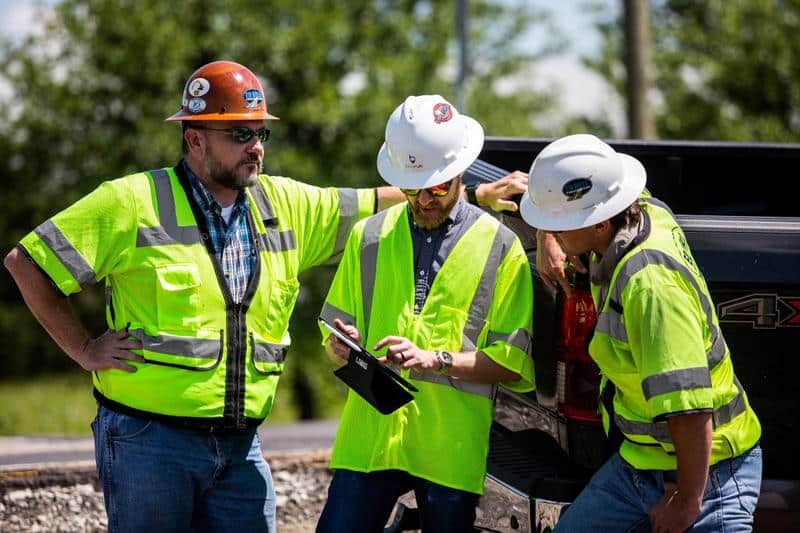
Centralized project data is essential to modern project management
Construction projects generate enormous amounts of information. Estimates, production logs, equipment data, safety reports, schedules and change orders all shape how work progresses each day. Yet in many organizations, that information still lives in separate systems, creating an operational lag between the field and the office. Project managers may be working from outdated reports while crews respond to changing conditions in real time. By the time discrepancies surface, small issues may have already turned into costly delays or rework.
A connected job site closes that gap, forming a continuous loop between the field and the office. Instead of relying on delayed updates, project stakeholders share a common view of the work as it happens.
As margins tighten and project complexity increases, contractors are placing greater value on technology, including centralized project data and shared operational tools. When information flows continuously between field crews and office teams, companies can identify problems earlier, make faster decisions, and maintain better control over outcomes.
Fragmented Data Erases Profit Margins
Many contractors still rely on separate platforms for estimating, scheduling, safety documentation and field reporting. Even when those individual roles are functioning well, poor integration creates blind spots. A change order approved in the office may not reach the superintendent in the work zone quickly enough to affect daily work. Safety updates, production rates or equipment issues may take hours or days to move through traditional reporting channels.
These gaps create ripple effects across a project. Miscommunication can lead to rework, delays and safety risks. Disconnected systems also make it harder for leaders to see how a project is really performing. Without centralized data, companies struggle to compare actual performance against estimates, identify trends across job sites or respond early when productivity begins to slip. In an industry already facing labor shortages and tough deadlines, that lack of visibility puts added strain on operations.
Turn Data Into Action
Centralizing project data allows contractors to turn raw information into actionable insight for up-to-date reporting. When real-time field reports, equipment usage, safety documentation and cost tracking feed into a unified system, teams gain a clearer picture of project performance in real time.
One of the biggest advantages is early trend detection. Production dips, equipment inefficiencies and cost overruns can be identified before they escalate. Instead of discovering problems weeks later during accounting reconciliation, teams can respond within days or even hours.
For many contractors, this shift requires a field-first mindset. Tools must be designed around the realities of crews, foremen and operators, not just office workflows. When field teams can capture time logged, production quantities, photos and notes through purpose-built mobile tools, the data becomes more accurate and more useful. In turn, reporting, forecasting, and job costing become more dependable.
This visibility also improves long-term planning. When field performance feeds back into estimating, contractors build stronger historical data for future bids. Forecasts become more reliable, and estimating teams can develop more competitive proposals based on real operational performance.
Build Alignment Between the Field and Office
True data alignment requires more than new software. It depends on consistent processes across the organization.
One foundational step is standardized cost coding. When office teams and field crews use the same cost structures across projects, financial and production data can be tracked more accurately and compared from job to job.
The goal is not simply to collect more data, but to make sure the data is accurate, timely and accessible across roles. When doing this, field workflows need to be practical. Crews work in demanding environments where efficiency matters. Tools that let foremen quickly record time, production and equipment usage in the field help make reporting part of the workflow rather than an added burden.
The Future of the Connected Job Site
Connected job site technology is already moving beyond dashboards and reporting toward predictive decision support. The advent of AI can increasingly analyze project data alongside weather forecasts, scheduling constraints and supply chain variables.
The next step is agentic AI: systems that not only surface information, but also recommend or initiate the next best action. A platform might detect an incoming storm, recognize what work is scheduled during that window, notify the crew and the plant, and recalculate the impact on the schedule.
However, the effectiveness of these AI systems depends entirely on the quality and consistency of the data behind them. For contractors managing increasingly complex projects with distributed teams, the ability to centralize, interpret and act on project data will become more important.
Matt McClung is the vice president of professional services, HCSS