
Jun 29, 2025
Top Tips to Keep the Crew From Going Back for Free
BY AsphaltPro Staff
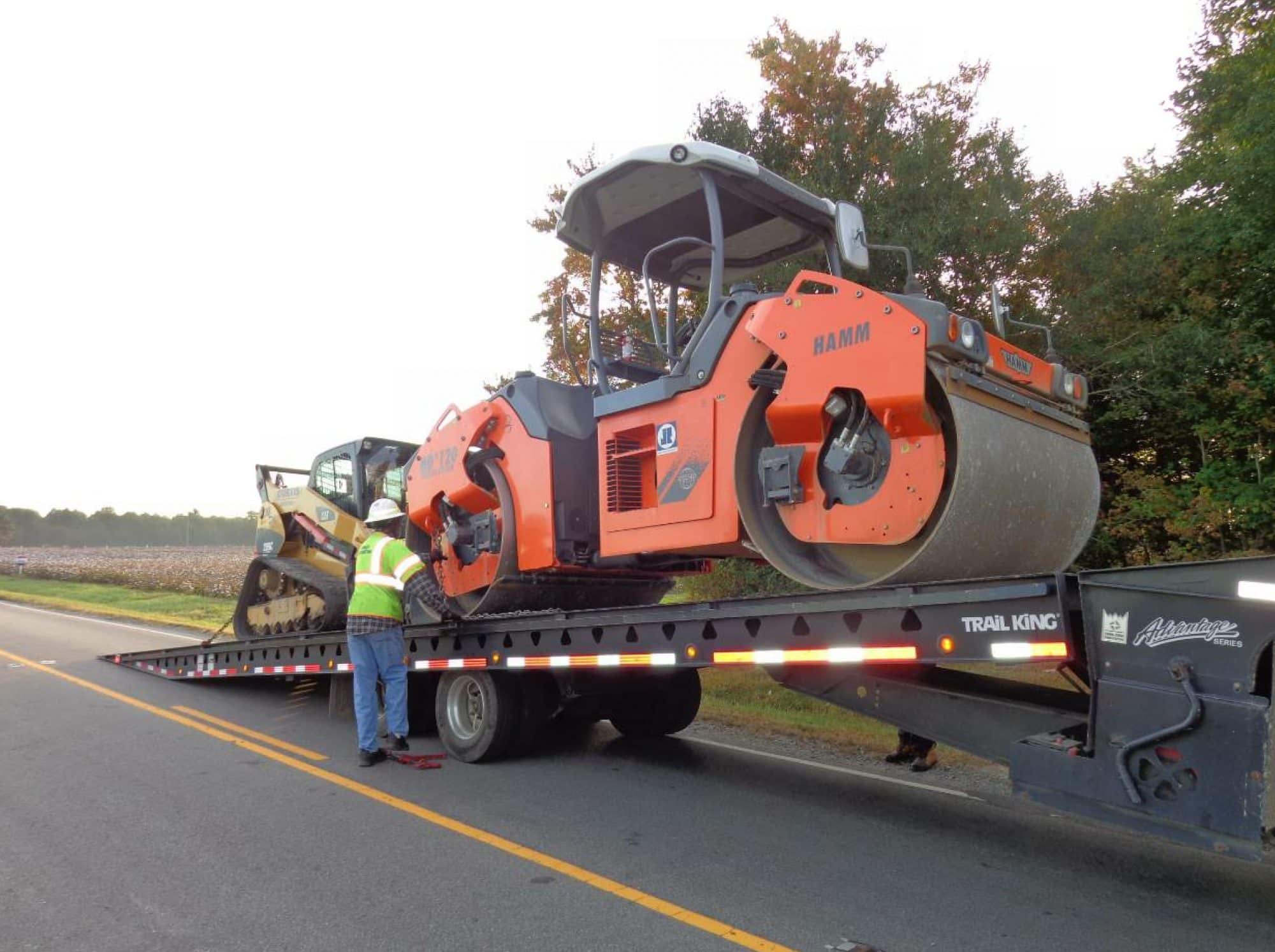
Once a project is complete and you invoice the customer, the last thing you want to do is send the crew back to the property or project site to do extra work for free. You can prevent callbacks by setting the crew up for success with good training of best practices for all projects.
Start with planning. Stage the equipment on pavement repair jobs, as well as new construction projects, so you “end” on the way off the property. For parking lots, pave or seal your way off the lot so minor mistakes, roller marks, or dripped sealcoat material can be covered with the surface course, rolled out, or squeegeed over as you finish up. If it’s not possible to stage equipment “on” the project, put heavy tarps down under equipment to keep any drips from marring grass, landscaping or nearby property that you would otherwise be asked to come back and clean.
Speaking of cleaning, it’s Step No.1 when the crew gets to a repair job. Make sure crew members take the time to clean the area that will be repaired. Rout out grass and weeds. No customer should see stubby black weeds sticking out of cracks in his parking lot at the completion of your job.
When you’re taking care of cracks, make sure you don’t skimp on energy. Take the time to saw cut 2 to 3 inches beyond the area of cracking. Get the whole problem removed. Yes, you’ll use more material that way, but your estimator should be aware that the team uses a top-quality mindset from the outset of a job. He (or she) will quote the job with the right amount of material to get it done right.
Remember the cleaning step? Do it again. After you rout or cut cracks or pothole areas, clean the area with a broom and/or air compressor. If you have the man hours, using water and air is best. Get that surface ready for maximum adhesion of material.
When filling potholes or newly saw-cut areas, tack the base and vertical edges. Don’t skimp on this relatively inexpensive material. Remember, this should be part of the quoted price, so use tack to ensure your repair is going to last.
Use clean and well-maintained equipment and tools. This shows the pride you have in your jobs. You want material sticking to the repair, not your plate compactor. In the end, you want the customer to be pleased all summer long. Whether that customer is a commercial parking lot owner, a residential property manager or a state DOT, the sensible education offered in our online training course, Asphalt Paving 101, goes in-depth to help paving crews deliver a top-quality job.
Subscribe now to receive tips like this to your inbox each week.