Is COVID-19 “Work-Related,” Covered Under Insurance?

As companies start to see employees contract coronavirus, some have questioned whether and how to claim costs related to employee treatment with their Workers Comp insurance carrier. NAPA’s understanding is that these types of industry claims are being denied. Some state’s may allow such claims, work-related or not. Before submitting, companies should review whether a claim infers the illness is work-related and therefore recordable (or reportable) under OSHA’s recordkeeping standard.

OSHA’s May 19 guidance states: “COVID-19 illnesses are likely work-related when several cases develop among workers who work closely together and there is no alternative explanation.” Two months later, OSHA provided additional guidance on reporting COVID-19 hospitalizations but rescinded that guidance two weeks later. Ogletree Deakins, a national labor-related law firm, posted a flowchart to help employers visualize whether an employee’s COVID-19 case should be considered recordable or reportable. If you have questions, contact Dr. Howard Marks.

Keep Good Tech from Falling Through the Cracks

As of April 2020, the Consortium for Asphalt Pavement Research and Implementation (CAPRI), a pooled fund to be hosted by Auburn University, is soliciting both agency and individual members. In a nutshell, this is a new, United States forum to engage all stakeholders—such as academia, agencies, consultants, industry and suppliers—to advance asphalt pavement technologies through the development of national research needs and implementation strategies for asphalt pavements.

Consortium members will meet twice a year at different member locations and will vote on which technologies or research to pursue and will also vote on what laboratory or agency resources to assign to execute the work.

A webinar presented July 16 expressed that some of the models used to put CAPRI into development were based on the National Concrete Consortium (NC2), hosted by Iowa State.

In other words, the competition already pools funds from within its industry to facilitate research and development of its technologies; we can follow suit and advance asphalt technologies with CAPRI. During the months of June and July, organizers introduced the concept to potential stakeholders with the goals of funding the consortium (Solicitation Number 1533 at TPF) and of assembling its executive committee in September.

The mission of CAPRI appears to be two-fold at this time. Organizers wish to

  1. Identify research & implementation needs & priorities; and
  2. Work with the AASHTO Committee on Materials and Pavements (COMP) to facilitate changes in specifications and procedures coming up.

This consortium wishes to assist AASHTO in altering specs and procedures. That’s a heady goal. Even with research and technology driving the changes suggested to a governing entity, that’s a lot of power for one body to have. Luckily, the organizers are soliciting membership from all stakeholders, not just the rich and powerful ExxonMobils of the world.

Public sector (agency) participation is $10,000 per year base funding. Private sector participation is $6,000 annual dues per individual participant. This brings participation down to a level that smaller entities and DOTs with smaller budgets can afford, but it still gave me pause.

NCAT’s Randy West—who presented the webinar succinctly and without pressuring any of the attendees—suggested that the consortium would allow “smaller” entities to participate in research and proposals that the larger TRB- and NCHRP-funded studies were leaving behind.

He explained that NCHRP field performance inspections for previous research often study pavements or technologies for two years. “We’re missing out by not going back in 10 years,” he said. By monitoring early life, NCHRP offers early results, and that has merit; by monitoring later life, CAPRI can offer additional results. “We can learn so much more by going back,” West said.
CAPRI will look into “small” studies and investigate gaps in research; pick up the ball where NCHRP and TRB have passed over something that could or should have been explored further. They wish to foster implementation of practical research findings from any source.

Overall, I’m intrigued with the concept of CAPRI. I think we’re on the right track to get smaller, quick-and-easy research items out in the open, completed and ready for mass representation when they would have otherwise fallen through the cracks. This is a good goal. The price tag to vote on a project for development did catch me off guard at first.

In any industry, it makes sense that stakeholders should put their money where their mouth is. Maybe entrepreneurs who engineer solutions to solve specific problems in specific climates of the nation can lobby CAPRI members to take up their banner and press to test good ideas that would otherwise fall through the cracks. Or maybe $6,000 per year is not a difficult sum for an entrepreneur to come up with to participate. I’d like to hear your thoughts on the matter, and I’d like to see our industry rally behind CAPRI for advancing asphalt technologies.

Stay Safe,
Sandy Lender

Coronavirus Construction News

AsphaltPro’s running list of resources for our readers during the coronavirus pandemic

Is COVID-19 “Work-Related,” Covered Under Insurance?

Tips to Navigate Re-hiring Workforce After COVID-19

Stretch Budgets Further After COVID-19 with Road Network Life Support

New CPWR Report Details COVID-19’s Impact on Construction

Report Reveals Heavy Civil Construction is Less Impacted by COVID-19 Than Commercial Construction

COVID-19 Changed the Medical Emergency Plan. Are Your Crews Prepared?

Predictive Maintenance During COVID-19 Emergency

CPWR, NABTU Publish COVID-19 Standards for U.S. Construction Sites

How to Cope with Job Stress During COVID-19

State DOTs Would Get $15B In Phase 4 COVID-19 Bill

After COVID-19, Get the Fleet Back on Track

OSHA Issues Guidance to Help Construction Workers During the Coronavirus Pandemic

U.S. Department of Labor Adopts Revised Enforcement Policies For Coronavirus

AEM Connecting Manufacturers with Safety Supplies as Businesses Plan to Return to Work 

How to Cope with Job Stress During COVID-19

Reopening Guidance for Cleaning and Disinfecting Workplaces & Businesses

PPE Burn Rate Now Available as a Mobile App

Manage Your SBA Paycheck Protection Program Loan Wisely

ARTBA Makes Case for Infrastructure Package with Trump Administration

Asphalt Paving Continues Across the Country

Prep For Your Paycheck Protection Program Application Now!

Which States Have Seen the Biggest Declines in Construction Activity?

Stay Safe During National Work Zone Awareness Week

OSHA Considers Employer’s Good Faith Efforts When Enforcing Compliance During Coronavirus Pandemic

Libra Offers Free E-Ticketing, COVID-19 Care Initiative

Blacktop Maintenance Corp. Prepares Hygiene Kits for Every Crew

How to Clean Tools to Prevent Spread of COVID-19

Topcon Launches Free Webinar Series “Topcon Talks”

U.S. Department of Labor Issues Guidance For Recording COVID-19 Cases

AASHTO Asks Congress For $50B Fiscal Backstop For State DOTs

Crosstrain for Uptime in Uncertain Times

John Deere Begins Production of Protective Face Shields for Healthcare Workers

Join AGC in COVID-19 Safety Stand Down

The Construction Industry Takes Precautions to Prevent Spread of Coronavirus

Employers Cannot Retaliate Against Workers Reporting Unsafe Conditions During Coronavirus Pandemic

OSHA’s Guidance for Respirators in Response to N95 Mask Shortage

10 Steps to Reduce Risk of Exposure to Coronavirus at Work

Command Alkon Offers Free eTicketing Tools During COVID-19 Pandemic

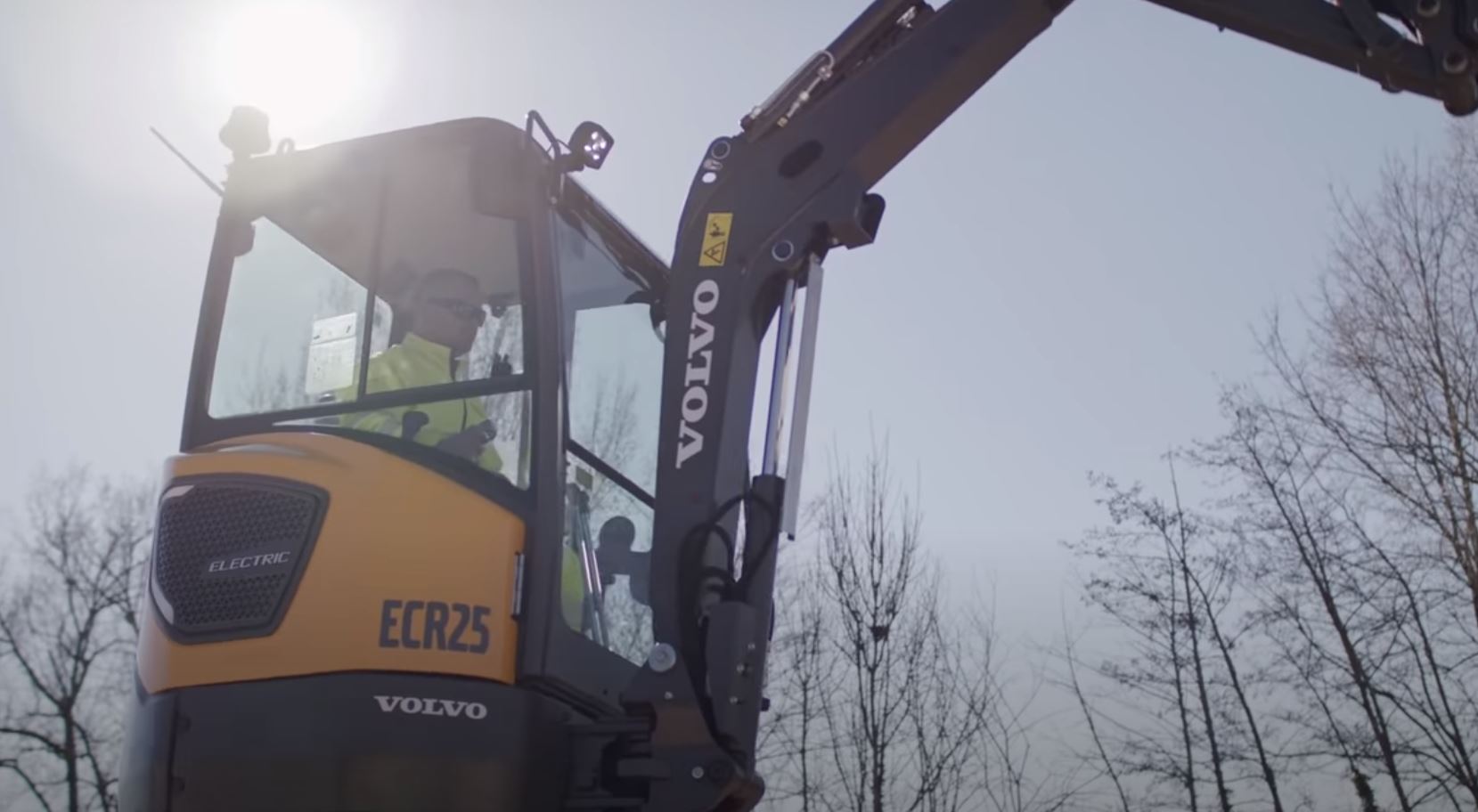
Volvo CE Launches Prebooking of Fully Electric Machines in North America

Volvo Construction Equipment has announced that its fully electric compact excavator and wheel loader are now available for prebooking in North America, with deliveries of the first production machines expected to begin in June 2021.

The first two models were unveiled at Bauma 2019 in Munich, Germany. The electric ECR25 excavator and L25 wheel loader run on lithium-ion batteries and have zero exhaust emissions.

Visit Volvo CE’s blog to read more about how the machines work, see their specs, check out frequently asked questions, and learn about Volvo CE’s motivation behind its fully electric machinery.

The AED Foundation Continues Its Endeavor to Accredit 100 College Programs

Schaumburg, IL – The AED Foundation (AEDF) is committed to accrediting 100 college programs by 2024, working consistently with schools to provide this highly respected distinction. This is one component of the Foundation’s Vision 2024 goal, which aims to reduce the workforce shortage by building a strong pipeline of qualified technicians entering the equipment industry.

The AED Foundation’s accredited programs must meet industry-recognized standards, ensuring that students receive top-quality education during their time in the program. With these measures in place, the Foundation hopes to produce a higher standard for industry technicians. The regulated core competencies an accredited program must have creates an influx of highly qualified technicians for the equipment industry across North America.

The Foundation’s Certified Technician credential, earned when a student graduates from an accredited program and successfully passes the certification test, will help these individuals stand apart from the crowd when seeking a career post-graduation. Certified technicians represent dedicated individuals committed to a rigorous program to better themselves and the industry. Not only do accredited programs prepare students for their future, but having an AED certified technician credential benefits the dealers as well. Technicians with these credentials help dealerships stand out amongst their competitors and demonstrates the dealer’s commitment to hiring highly trained technicians to be a part of their team. Customers can feel at ease, knowing that their equipment is being repaired and serviced by a technician with an AEDF certification.

Executive Vice President and COO of the Foundation, Jason Blake, states “The AED Foundation’s accredited college programs have worked to meet all of the standards the Foundation has set to provide students with a highly valuable education. Students who earn the title of AEDF Certified Technician have achieved a significant skill set that will accompany them through a fulfilling career in the industry.”

Through this goal, The Foundation will have a direct effect on increasing the number of qualified technicians entering the equipment industry workforce. Accrediting more college programs throughout North America will help draw the attention of students seeking to gain a quality education to prepare for their careers in the industry. The Foundation is pleased to make this program more accessible to students and will continue to develop resources beneficial to AED members and the future technicians of the industry.

For more information about The AED Foundation’s accredited programs, please contact the Foundation’s Technical Program Manager, Linley Thompson, at lthompson@aednet.org.

AEM Mobilizes Voters with New EQUIPPED TO VOTE Campaign

The Association of Equipment Manufacturers Urges the 2.8 Million Men and Women of the Industry to Vote for Pro-Manufacturing Candidates

WASHINGTON, DC – Today, the Association of Equipment Manufacturers (AEM) launched Equipped to Vote, a national get-out-the-vote campaign to urge the 2.8 million men and women of the industry to register to vote and support pro-manufacturing candidates during the 2020 election.

The goal of the campaign is to engage, educate, and mobilize manufacturing voters on the policies that matter to the equipment manufacturing industry, encourage greater civic engagement, and help elect pro-manufacturing candidates. The campaign’s digital action center on www.equippedtovote.org is a one-stop-shop for anyone looking to get involved, including how to register to vote, learn who is running in their district and state, and take action to help elect candidates who support the equipment manufacturing industry.

“The outcome of the 2020 election will have a significant impact on equipment manufacturers, the manufacturing sector, and the U.S. economy for years to come,” said Kip Eideberg, AEM senior vice president of government and industry relations. “With equipment manufacturers responsible for one out of every eight manufacturing jobs in the United States, our industry has a duty to help our people make their voice heard and give them an opportunity to shape the outcome on Election Day. From infrastructure investment to free and fair trade, it is crucial that the 2.8 million men and women of our industry vote for candidates who will fight for pro-growth policies that allow the equipment manufacturing industry to prosper, grow the economy, and create family-sustaining jobs.”

Equipped to Vote is a close partnership with AEM’s member companies. The campaign is specifically designed to provide them with the tools and resources they need to engage with their employees and colleagues about the importance of casting their ballots this year. Through a series of interactive games and challenges, all designed to encourage civic participation, participants will earn points toward weekly giveaways and a special grand prize.

Each month the campaign will highlight a specific policy priority and explain why it is crucial to the long-term success of equipment manufacturing in the United States:

  • August: Free and Fair Trade
  • September: Infrastructure Investment
  • October: Rural America

The Equipped to Vote campaign will focus primarily on free and fair trade during the month of August. With about 30 percent of all equipment manufactured in the United States destined for export, free and fair trade policies and agreements are vital to the industry’s prosperity. Equipment manufacturers rely on mutually beneficial trade relationships with our neighbors near and far because open, two-way trade and investment mean more opportunity for the 2.8 million men and women of the industry.

“Exporting equipment around the world is crucial to creating American jobs, helping communities succeed, and keeping the United States ahead of global competitors,” said John Garrison, chairman of the board and president and CEO of Terex Corporation and 2020 chair of AEM’s Government and Public Affairs Committee. “Equipment manufacturers count on our elected officials to negotiate trade agreements that are fair and accountable, that create a level playing field, and that put American families and workers first.”