70% More Storage—No Shutdown Necessary

All Roads Construction expands its Vancouver asphalt plant capacity without missing a shift—balancing growth, environmental performance, and nonstop customer service.

When All Roads Construction opened its asphalt plant in Vancouver, British Columbia, in 2020, it set a new local standard for efficiency and environmental performance. Now, after a major upgrade completed in spring 2025, the company has increased its storage capacity by almost 70% while maintaining full production and the same clean-air results that defined the original facility.
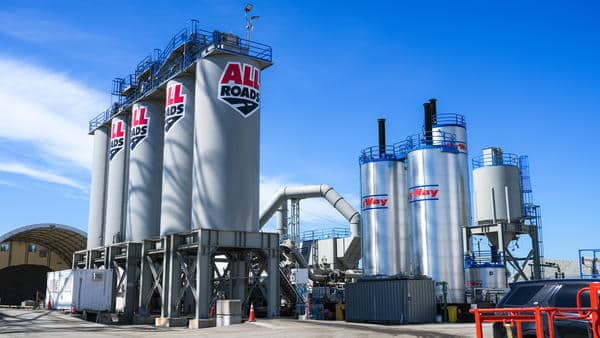
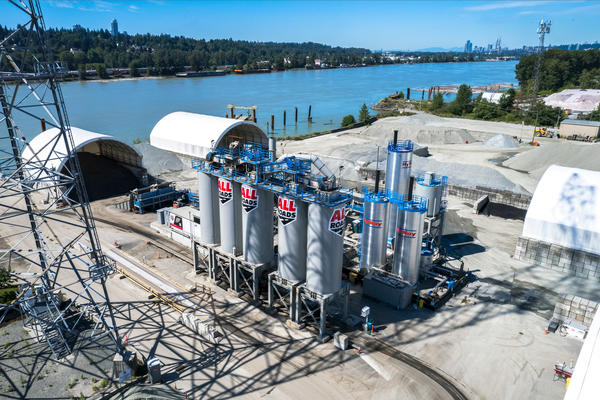
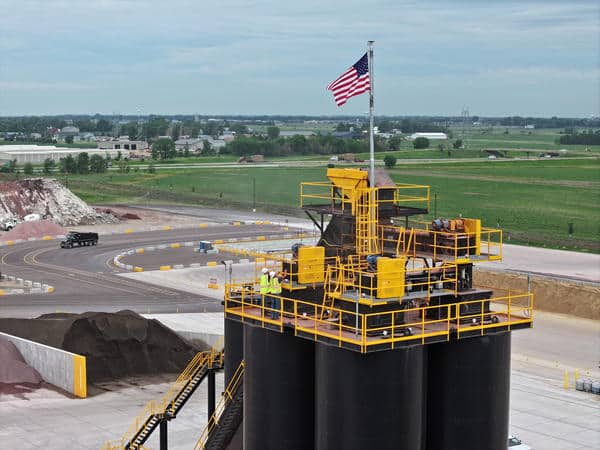
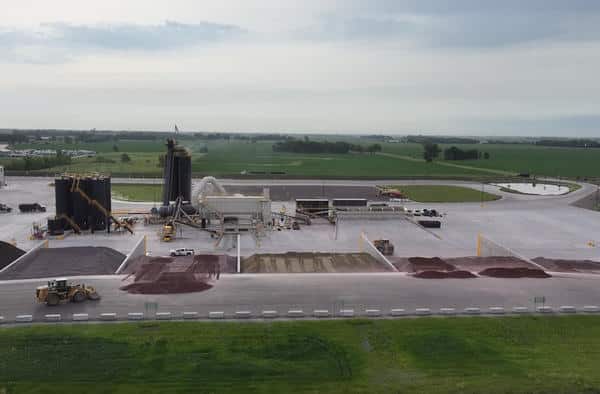
All Roads Construction’s Vancouver asphalt plant stands complete after its 2025 expansion, featuring five 200-ton storage silos and a new 45,000-gallon AC binder tank.

All Roads President and CEO Rod Stephens said the decision to expand was about staying ahead of demand while protecting what made the plant successful from the start. “We wanted to grow our capacity without losing the reliability and environmental integrity we built this operation on,” he said.

The project reflects both market growth and All Roads’ long-term strategy: to meet higher material demands, adapt to new mix specifications, and keep the doors open to third-party customers 24/7. From planning through installation, the expansion showcases how careful coordination, in-house expertise, and a focus on service can turn a logistical challenge into another example of continuous improvement.

All Roads Construction Tests Out Topcon Smoothride Technology

Why the Expansion Happened

When All Roads Construction decided to expand its Vancouver asphalt plant, the move was driven by production realities, not speculation. “We have about 400,000 tons of Highway 1 Trans-Canada paving to do,” Stephens said. “And over the last five years, our third-party sales have skyrocketed.”

The dual demand of major infrastructure work combined with strong third-party growth put pressure on the plant’s capacity and flexibility. “Not only were we coming up short on volume, but we also needed capacity for a broader variety of mix designs,” said All Roads Plant Manager Dennis Eby.
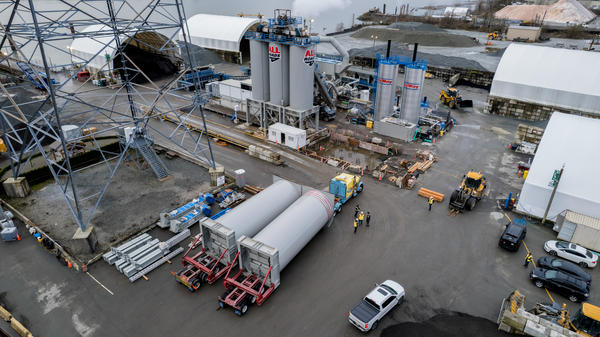
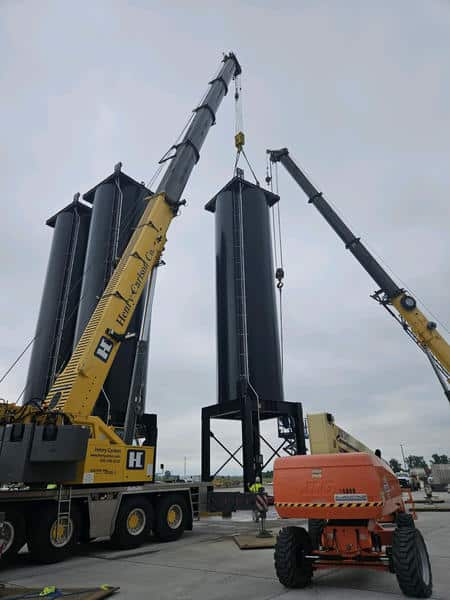
The new 200-ton silos make their way to All Roads Construction’s Vancouver asphalt plant in spring 2025.

That last point became even more important when government specifications changed to require polymer-modified asphalt in top-lift paving. The new spec meant the plant needed additional binder storage and more room to handle multiple AC products without disruption. As Stephens later explained, those evolving requirements were a key driver behind adding both new silos and a larger binder tank—ensuring All Roads could meet every mix design its customers demanded.

With more work ahead and more contractors relying on them, All Roads needed a way to produce multiple mixes at once while maintaining the customer service that helped drive that growth. “We run three plant crews so that we can run 24 hours a day and seven days a week,” Stephens said, adding that the company’s round-the-clock availability and commitment to customer service have been key to building customer loyalty.

Despite All Roads’ need to expand, they didn’t want the customer service so responsible for their growth to suffer. They needed to figure out how to expand production capacity while keeping the plant fully operational—and just as clean and efficient as the day it opened.

All Roads’ High-Efficiency Approach to Cut Repair

Building While Operating

Expanding a continuously running asphalt plant required both precision and restraint. All Roads’ goal was clear: stay open, stay safe and finish on schedule.

“We started the planning process in November when we met with Gencor,” Eby said, adding that they began the upgrades the following January. “Our goal from the beginning was to keep the plant open full time and accessible while these improvements happened.”

The project added two 200-ton silos and a 45,000-gallon AC binder tank, supported by 20 piles to make the new structures earthquake-resistant. “There was a lot of groundwork involved initially,” Eby said. “And that all happened simultaneously while we produced asphalt.”
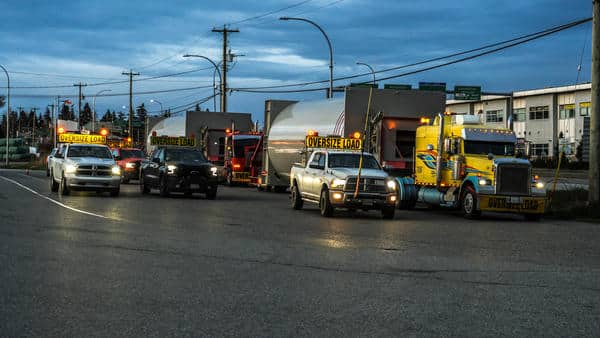
The new 200-ton silos make their way to All Roads Construction’s Vancouver asphalt plant in spring 2025.

Every bit of work from excavation to setup was handled by All Roads’ own crews, without a single injury or incident.

“During construction, we made minor tweaks in the yard to ensure that our customers could be loaded in conjunction with our crews,” said All Roads COO Mike Darby, who led the on-site construction work. “This included having internal and third-party sales truck lines and yard coordinators during busy times. We determined in advance that we wanted our customers to be impacted the least and typically sacrificed our own crew productions to accommodate this service orientated goal”

Construction wrapped up just in time for the 2025 paving season. “This is the year of fives for our asphalt plant. It’s now five years in the making, with a recent upgrade to five storage silos, in the year of 2025,” Darby said. Eby added, “The tank came online first in the middle of May, and then the silos were up just in time for our busy season.”

A key decision early in the project ensured the plant would be ready for that surge. “I was originally just going to order one silo, not two,” Stephens recalled. “But Dennis just phoned me one day and challenged me, ‘Why are you wasting time? Let’s just get both going right now.’ And I accepted that challenge.” The choice to complete the full expansion at once proved essential to meeting production targets.

Crews pour the reinforced concrete foundation for All Roads Construction’s new 45,000-gallon asphalt-cement (AC) binder tank at the company’s Vancouver plant.

Unpredictable tariffs briefly complicated equipment delivery. “We ended up by getting two of our silos through with no tariff,” Stephens said. “And then when our AC tank came through a week later, they hit us with a $75,000 tariff.”

Even with that setback, the team refused to cut corners. “We wouldn’t have sacrificed the sustainability performance of our tank for the sake of the $75,000,” Stephens said. “We wanted the product to be consistent with everything else we have.”

When the final pieces came online, All Roads had gained almost 70% more storage capacity without interrupting production—a rare feat for any continuous-run facility.

With the new infrastructure in place, the focus turned to performance: how the upgraded systems improved efficiency, environmental control, and the plant’s already-strong emissions record.

All Roads Exceeds Environmental Expectations

Performance and Environmental Results

When the upgraded systems came online, the impact was immediate. All Roads produced more than 400,000 tons of mix in 2025—about 15% more than the previous year—without increasing emissions or energy use.

The new silos and binder tank have streamlined production and reduced downtime between mix changes, allowing operators to keep materials hot, organized, and ready for dispatch around the clock.

“The additional silos also allowed us to fill orders for the day shift immediately after the night shift projects were complete,” Darby said. “This gave us more room to better service our day shift projects and our smaller third-party customers.”
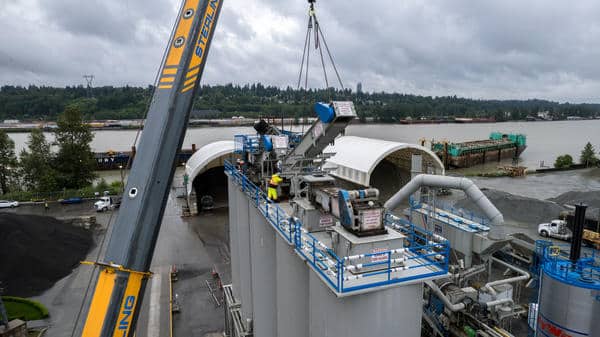
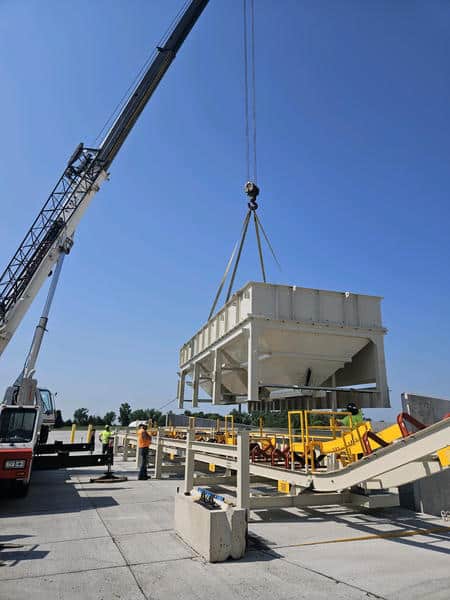
Crews install the conveyor atop All Roads Construction’s new silos at the company’s Vancouver asphalt plant.

Stephens said the improvements also prepared the company for the province’s evolving binder requirements. “Now, nothing can stop us,” Stephens said. “There’s no mix we can’t make.”

Just as importantly, the expansion preserved the plant’s environmental performance—a cornerstone of All Roads’ identity. The company, which describes its facility as the greenest asphalt plant in Canada, continues to post its emissions data publicly. “Our particulate is not even a tenth of what we’re allowed to be able to produce,” Stephens said. “We blow the specs right out of the water and we’re proud of that, so proud we post those results online.”

That strong environmental record also made the permitting required for the expansion easier. “The [city] could do quick calculations to determine that with this upgrade we’re still way below permitted levels,” Stephens said.
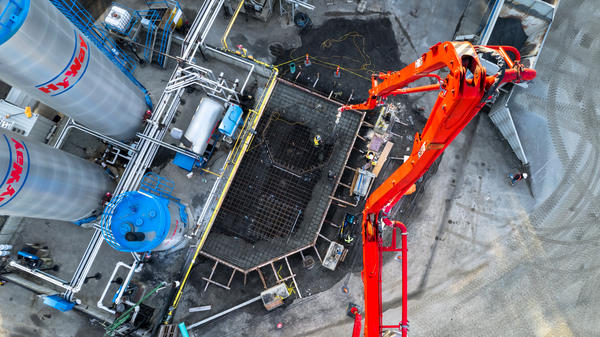
Crews pour the reinforced concrete foundation for All Roads Construction’s new 45,000-gallon asphalt-cement (AC) binder tank at the company’s Vancouver plant.

Performance gains have come not only from technology, but also from experience. “It’s almost like our plant is getting greener and cleaner,” Stephens said. “Part of that is because our guys are actually learning the plant better… and it makes it burn more efficiently, which means we emit less.”

Five years after commissioning, the Vancouver plant continues to perform cleaner and more efficiently than when it was first built—a testament to both its design and the team operating it.

That same team—the operators, maintenance staff, and managers who keep the facility running 24/7—remains central to All Roads’ success and to sustaining those performance gains.
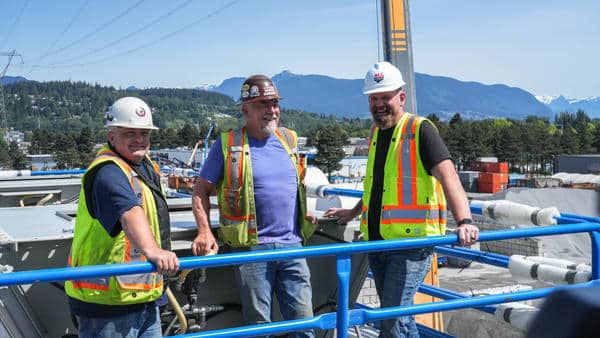
Dennis Eby, Brent Balluff and Mike Darby stand atop the series of five silos at All Roads plant in Vancouver.

The People Behind the Plant

Behind All Roads Construction’s around-the-clock operation is a team that keeps the plant running smoothly, safely, and continuously improving.

“We don’t wait until the winter months to perform all our maintenance,” Eby said. “We’re constantly repairing and upgrading, and improving on the fly.”

All Roads Plant Superintendent Jordan Shepell skillfully lays out all maintenance projects in advance. “If we get a rain day or a couple hours, they know how long that maintenance task is going to take and they hammer it out fast.”

That responsiveness proved essential during the expansion and remains part of daily life at the Vancouver plant. Tight coordination between loadout crews and truck drivers ensures the site runs like clockwork even at peak capacity. Stephens credited the on-the-ground teamwork that allows materials and traffic to flow safely through a compact site without delay.

Investing in training has also strengthened the operation. Each year, All Roads sends plant personnel to Gencor’s training facility in Florida to sharpen their technical skills and deepen their understanding of the system. “They actually light a burner and show the guys there what a perfect flame is,” Stephens said. “The guys get so much out of that training. They get to understand the drum’s internal flighting system and all the plant’s major operating components.”

That emphasis on development has given All Roads more bench strength than most single-plant operations. “We have five plant operators,” Stephens said, “whereas most competitors can hardly find one.”

Stephens said a culture where learning, teamwork, and respect are daily values makes the company a sought-after workplace. “When you have people reaching out to you to want to come to work for you, instead of you trying to find these people, that’s a huge advantage.”

That sense of pride and camaraderie runs deep. As Stephens put it, “We’re here to have a lot of fun and hopefully make a little bit of money.”
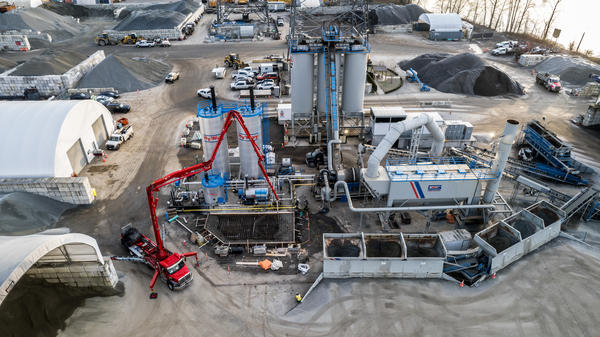
Crews pour the reinforced concrete foundation for All Roads Construction’s new 45,000-gallon asphalt-cement (AC) binder tank at the company’s Vancouver plant.

The Road Ahead

Five years after opening what the company calls the greenest asphalt plant in Canada, All Roads Construction continues to prove that clean operation and high production can go hand in hand.

Looking ahead, All Roads plans to document its environmental performance even more formally. “We don’t have [an Environmental Product Declaration] yet, but it’s on my hit list to be able to achieve in 2026.”

For Stephens, that next step is part of the same philosophy that guided the expansion—continuous improvement, backed by investment in people and technology.

“Asphalt plants are necessary to service the industry and the roads we travel on,” he said. “At All Roads, we’re going to continue to do that in the greenest way possible.”
Harness Centrifuge Technology: A Smart Path to Water Conservation in Mining and Aggregates

Around the globe, businesses have been tasked with responding to climate change and increasingly stringent environmental regulations. Nowhere is this more evident than in the mining and aggregates sectors, where water is both a critical resource and a costly liability.

Historically, these industries have relied on conventional water treatment and waste management methods to stay operational. While effective in the past, many of these traditional approaches are now struggling to meet today’s challenges. Demand for raw materials like sand, gravel and limestone is climbing rapidly driven by urbanization, infrastructure development and consumer consumption. At the same time, the availability of clean water is dwindling, and disposal options for industrial sludge are becoming more limited and expensive.

Save Water When Washing Aggregate

In this evolving landscape, companies are being pushed to reimagine how they operate. The question is no longer whether change is necessary, but how quickly it can happen—and what technologies can lead the way. Among the emerging solutions, centrifuge technology has quietly begun to revolutionize how water is recovered and sludge is managed. By dramatically reducing freshwater usage and increasing process efficiency, this technology is proving itself to be a best practice.

This article explores a real-world case study from France, where a major aggregates producer not only met government-mandated water reduction targets but also improved operational efficiency using advanced centrifugation. It’s a story of persistence, partnership and technological progress that offers a glimpse into what could be the future of sustainable resource management worldwide.

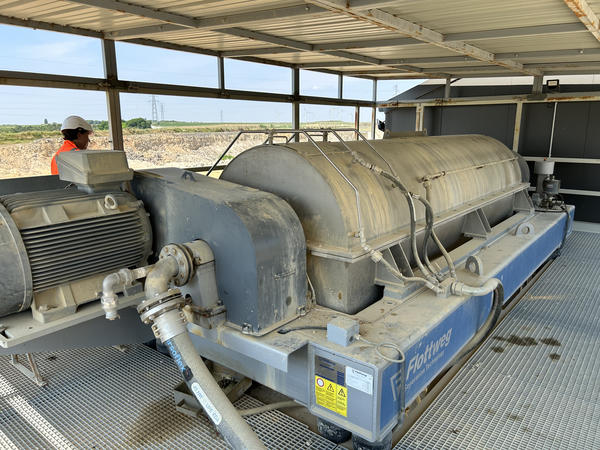
The Flottweg Z92 centrifuge spins the slurry at extremely high speeds, using centrifugal force to separate solids from water much more efficiently than gravity-based methods alone.

A French Case Study in Water Efficiency

Facing legislation that required a 33% reduction in water usage, a sand and gravel producer in France turned to a blend of conventional methods and cutting-edge centrifugation. The result was an 80 to 90% reduction in freshwater consumption—and a leaner operation that reduced staffing needs.

The story doesn’t end there. This was just one piece of a broader, long-term initiative by a global manufacturer of aggregates.

Over a decade, this manufacturer explored numerous solutions to a persistent challenge: how to recycle water more effectively during sludge dewatering. Their journey began with lab tests and small pilot studies, and by 2016, they were ready to trial a full-scale industrial project just south of Paris.

Initial tests with one centrifuge manufacturer didn’t yield the desired results. Undeterred, the company partnered with Flottweg, a recognized name in separation technology. By mid-2017, Flottweg France was on board, after a deeper analysis of first pilot tests results and ultimately recommending the Z92 centrifuge, equipped with a sophisticated control system. The project gained momentum to deliver a turnkey solution, especially after a close collaboration with partner Veolia Agriculture France—an offshoot of a major water technology company.

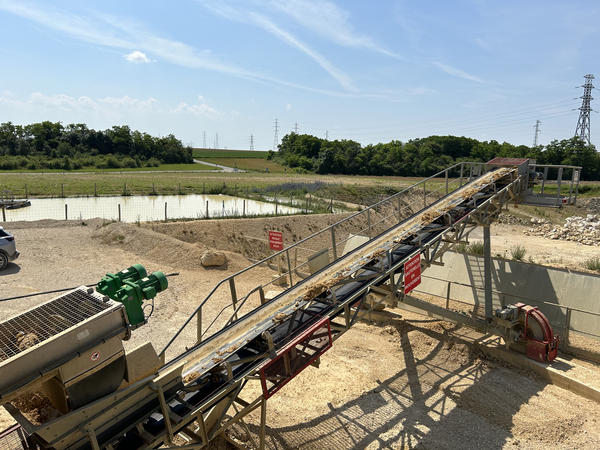
This centrifuge solids conveyor leads to the loading/transport preparation area.

The Gravel Washing Process

At the heart of this project lies a highly water-intensive operation: the washing and processing of gravel and aggregates. For decades, this process has depended on large volumes of fresh water to clean raw materials and remove fine particles. But with growing environmental pressures and local regulations tightening, producers are being forced to rethink how they manage water in every stage of production.

In this case, the end user faced a significant challenge. Their annual water consumption had reached 160,000 cubic meters, primarily drawn from local groundwater sources. However, due to new environmental directives, they were required to reduce their consumption to 105,000 cubic meters per year. This was a mandated cut of over 34%.

To achieve this, the company implemented a multi-step process centered on centrifuge technology, supported by traditional thickening methods. First, quarry sludge, which contains fine particles suspended in wash water, is routed to a clarifier, where gravity is used to settle the heavier solids. This initial thickening step concentrates the sludge and reduces the volume that must be treated downstream.

Economic Aggregate Quality Requirements for Pavements

The thickened sludge is then transferred to a dehydration unit, where a high-performance Flottweg Z92 centrifuge takes over. This powerful machine spins the slurry at extremely high speeds, using centrifugal force to separate solids from water more efficiently than gravity-based methods alone. The result is a drier sludge and a clarified centrate that can be reused within the system.

The goal was clear: achieve a water recovery of at least 62,500 cubic meters per year—a 46% reduction in fresh groundwater withdrawal. The centrifuge not only helped meet this target but did so with minimal chemical input, maintaining a focus on cost-efficiency and environmental stewardship. By recovering water directly from the sludge, the company retained the flexibility to maintain production volumes without over-reliance on groundwater, even during dry months or times of restricted water access.

In essence, the gravel washing process was transformed from a high-consumption, high-waste operation into a far more sustainable, closed-loop system—one that’s better equipped to meet both environmental goals and long-term operational needs.

Here the solids conveyor belt is receiving solids from the single screw conveyor.

Strengths, Challenges and a Centrifugal Shift in Sustainability

The project wasn’t without its challenges. Here’s a breakdown of the SWOT analysis:

Strengths:

  • A decade-long trusted partnership
  • Strong lab and pilot testing and analysis support
  • A complete, turnkey solution from Flottweg and SEDE
  • Proven project management and local language support

Weaknesses:

  • Limited market presence and references
  • Higher energy consumption than filter presses
  • Higher upfront cost compared to some competitors

Opportunities:

  • Water management becoming mandatory in large quarries
  • Potential for government funding in eco-initiatives

Threats:

  • Power supply limitations in some regions
  • Strong local competition from filter press providers

As industries worldwide face growing scrutiny over their environmental impact, solutions like centrifuge technology are proving to be more than just effective—they’re essential.

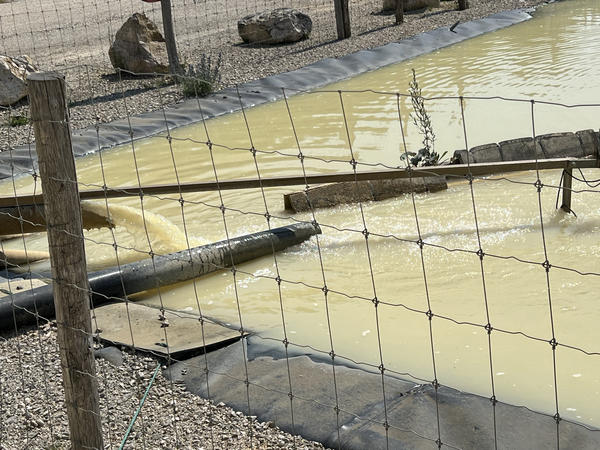
The client wanted to decrease polymer cost, so the centrate is not clear, but the water is sufficient for their wash water re-use.

The story from France demonstrates how collaboration, innovation and a willingness to evolve can lead to significant environmental gains without compromising productivity. What started as a compliance challenge became an opportunity to lead in sustainable water management.

This is not just about sludge or water; it’s about mindset. The transition from traditional dewatering methods to high-performance centrifugation represents a broader shift that embraces efficiency, resilience and long-term thinking.

By investing in smarter infrastructure today, companies not only future-proof their operations against tightening regulations but also build trust with increasingly eco-conscious stakeholders.

Gradation Blender by Gradation.ai Unlocks Mix Designs in Seconds

Yet the story remains unfinished. North America has yet to fully embrace this proven innovation. The absence of permanent centrifuge installations across the continent signals both a challenge and a call to action.

With escalating environmental pressures and rising water scarcity, the time to act is now. Adopting these technologies can help shape the future of sustainable mining and aggregate production.

Stephen L. Benyo is a Global Mining executive for Flottweg Separation Technology,  engaged in placing the “puzzle-piece” of innovative technology in its most needed locations—striving toward more efficient utilization of our world’s natural resources.

Patrice Maillett has more than 25 years of experience in operational management within the industry, in France and internationally. For Flottweg, he aims to deploy resources and talents to accelerate performance by relying on teamwork.


System Specs and Performance

Here’s what the operation in France looks like in numbers.

General Operation:

  • Annual production: 800,000 tons of limestone aggregates
  • Dry matter produced annually: 75,000 tons
  • Feed flow: Up to 100 m³/hour
  • Max solids throughput: 25 tons of dry solids/hour
  • Sludge density: Between 1.25–1.3
  • Operating days/year: 210 out of 220 quarry days
  • Daily operation: 16 to 22 hours

Performance Highlights:

  • Process flow rate: 45-65 m³/hour
  • Mass flow rate: 20 TDS/hour
  • Solids content: 250–450 g/l
  • Centrate clarity: Average 45 NTU
  • Flocculant used: SNF 934 SEP, at 0.70 kg per ton of dry solids
  • Solids dryness: 58–65%
  • Weir diameter: 650 mm (in use since October 2018)

Importantly, the focus wasn’t just on dewatering but on maximizing water recovery with minimal use of flocculants. The company struck a balance between performance and sustainability.

Myrl & Roy’s Harrisburg Plant Sets the Standard for Sustainable, Smart Growth

Collaboration and conservation: Myrl & Roy’s new HMA plant raises the bar

In South Dakota’s construction corridor, a new hot-mix asphalt (HMA) facility has come online. The recently completed Myrl & Roy’s asphalt plant in Harrisburg is a layered story of more than aggregate, asphalt and tons per hour. It’s about visionary planning, deliberate environmental stewardship, and a team that treats the job as a legacy.

The new 500-ton-per-hour (TPH) facility from CWMF Corp., Waite Park, Minnesota, is a shining example of what’s possible when engineering, environmental planning and collaborative partnerships align.

Myrl & Roy’s is a division of the fifth-generation, family-owned L.G. Everist, Inc., Sioux Falls, South Dakota.

Eric Leverson explained an overarching goal was to build a plant with higher production capabilities. That meant plenty of silo storage, with multiple loadout scales, and plenty of liquid AC storage. The team at Meeker Equipment supplied the tanks for the tank farm. Photo courtesy of Motion Engineering

An Idea Set in Asphalt and Stone

From the beginning of the project, Eric Leverson, VP construction materials, L.G. Everist, and his team at Myrl & Roy’s envisioned more than just their second plant. The new facility was designed to exceed their customers’ expectations, streamline material handling, and meet future market demands. The design includes a counterflow drum of 10 feet, 6 inches by 60 feet, four 300-ton silos, dual truck scales, and a fully paved traffic circle to eliminate bottlenecks and improve safety.

“The entire plant is designed to handle maximum production if needed,” Leverson shared. “The most important part of our business is customer service. Being able to handle their needs daily is critically important to us and them. We produce multiple mixes daily so having two scales and multiple silos coupled with the capacity of the plant allows us the flexibility to switch between mixes and customers’ needs and not sacrifice service. Our focus is to move the customers in and out in an orderly fashion and not slow them down.”

It was all hands on deck for installation of components to bring the Harrisburg plant to life. Both photos courtesy of Motion Engineering

Leverson noted that this new site had to fulfill the dual function of ready-mix and asphalt operations and prepare for future expansion, including recycling capabilities. The one-way truck traffic pattern minimizes cross-traffic and confusion, helping to protect drivers and plant personnel while accelerating loadout. According to Leverson, minimizing wait times and maximizing service is vital, as 75% of the mix will go to external customers.

“When we first laid out the site plan, it was very important that we understood the different activities that would be taking place on site,” Leverson explained. “We originally developed the site for the installation of a dual lane ready-mix plant, but we also wanted to have plans in place for a future asphalt plant and recycle yard.

It was all hands on deck for installation of components to bring the Harrisburg plant to life. Both photos courtesy of Motion Engineering

“My main concern was to make sure we identified not only the current needs, but also the potential future needs. With the amount of incoming and outgoing materials along with accommodating employee and public activities, traffic flow was one of the important and critical things that needed to be thought through and addressed. The original plan had a high-level conceptual idea of traffic flow, but the final plan was not developed until much of the site was completed. Temporary traffic control was used while the new ready-mix plant was operational. This allowed us to monitor traffic patterns for the operating season and identify what the final plan would look like. Striping, delineation and signage was the last activity to take place.”

“In the end, we did have a successful lift off. With only being in operation for a couple of weeks, the initial planning, execution and overall operation has been successful.”—Eric Leverson

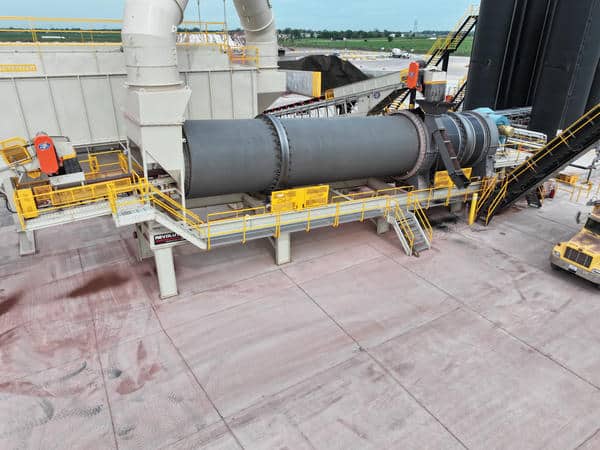
The CWMF Revolution D™ drum mixer offers counterflow drum technology and features the company’s adjustable Wedge-Lok™ tire suspension system. Both photos courtesy of CWMF

Planning with Environmental Purpose

From concept to execution, environmental stewardship was key. Leverson and his in-house engineering staff designed the site to function as a self-contained ecosystem. “We have an in-house engineering staff that put together a rough outline of the layout and what we wanted for the site,” he said. “A local civil engineer assisted in putting together the site plan.”

Every paved surface has drainage leading to a storm sewer system that channels water into two deep retention ponds that serve multiple on-site functions.

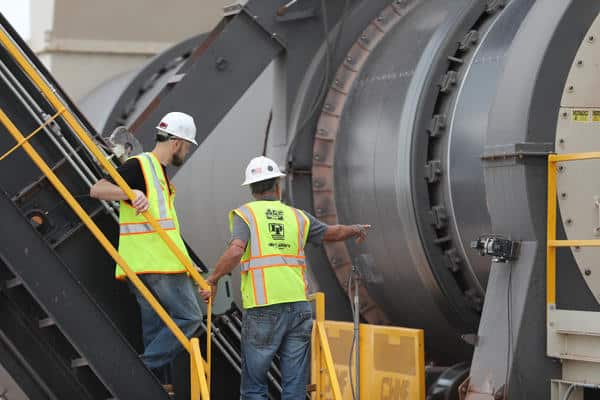
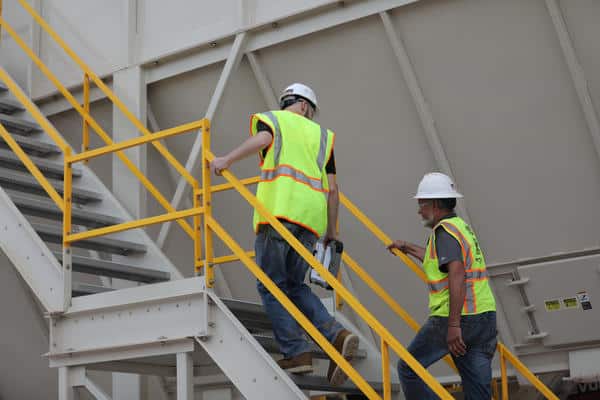
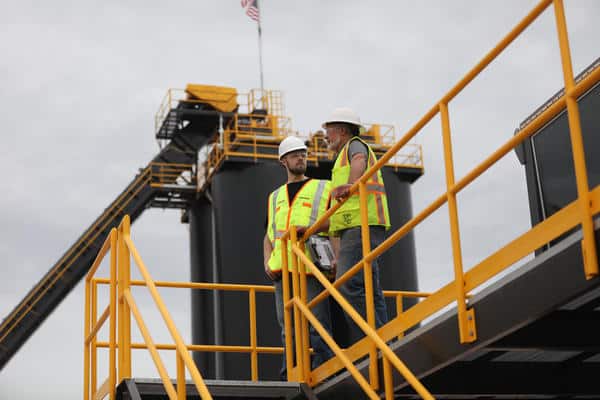
This image of crew members ascending the baghouse stairs highlights the company’s commitment to safety with full stair access around the plant. In the adjacent photo, at left, CWMF Sales Technician Steve Schmitz and, at right, Myrl & Roy’s Asphalt Operations and Performance Manager Brian Heger discuss startup from behind the safety railing prevalent around the plant. Both photos courtesy of CWMF

With 75% of the site paved in concrete or asphalt, according to CWMF’s Vice President Travis Mick, airborne dust is greatly reduced. “There is drain tile under the concrete paved surface of all the material storage areas, allowing moisture to optimally drain from the stockpiles,” Mick shared. “There is a massive truck staging area out of the busy area of the plant, keeping things safe and orderly. Berms and trees surround the perimeter to keep an upscale appearance and to match the beautiful, gated entrance and exit points of the site.” These elements were installed intentionally to ensure the site would be an environmentally responsible addition to the community.

“The entire site is self-contained and has its own storm sewer system,” Leverson said. “The storm sewer drains into a network of drainage ponds which ultimately end up in two large retention ponds. The site has a network of water hydrants at various locations that are used for not only dust control, site wash down, water truck fill stations, aggregate stockpile control but also ready-mix truck wash out ponds. All the stockpile areas are paved with positive drainage that allows the moisture to drain away and get captured by the storm sewer and recycled for onsite use.

The 12-foot by 34-foot elevated control house features the advanced technology of Systems Equipment. Photo courtesy of CWMF

“It was important to us that we understood the impact a site like this would have on the area, not only for the traveling public but also the natural habitat. This was all taken into consideration when the site was built. We feel we have addressed not only the concerns of the public but also impacted the natural environment and habitat in a positive way.”

Leverson described how the team took extra steps to address local impact. LG Everist worked with the local governments to accommodate traffic increases and upgraded a portion of the farm-to-market road servicing the site—out of pocket. Leverson said it was part of being “good stewards of the land and the community.”

This image of crew members ascending the baghouse stairs highlights the company’s commitment to safety with full stair access around the plant. In the adjacent photo, at left, CWMF Sales Technician Steve Schmitz and, at right, Myrl & Roy’s Asphalt Operations and Performance Manager Brian Heger discuss startup from behind the safety railing prevalent around the plant. Both photos courtesy of CWMF

Seamless Collaboration Among Experts

CWMF served as the primary equipment provider, supplying the counterflow drum, slat conveyors, silos and control systems. CWMF’s Mick noted that this project, though not the first interaction with Myrl & Roy’s, was the first large-scale partnership with the company under LG Everist ownership. He spoke highly of the contractor’s planning and attention to neighborly details.

ARC Fabricators supplied the bins and scale conveyors. From there, CWMF contracted with Motion Engineering to install the plant and piping for the tank farm, and with Meeker Equipment to handle the tank farm.

Jeff Meeker described the intricate and safety-focused AC tank system: “Our part of the project was to supply the AC tank farm, which consists of six 40,000-gallon asphalt tanks, AC piping, hot oil heater, mass flow meter, a 10,000-gallon emulsion tank and associated pumping and loading equipment.”

Bowes Construction Buys Uptime, Security, Production

Meeker elaborated on the automation technology, sharing: “All the valves on the piping system are controlled by Meeker’s Liquid Vision valve control system and tank monitoring control. Inside the control room, we provided an Allen Bradley plc control and HMI. The plc has the logic done for normal operations and also unique situations. All scenarios are taken into consideration with the Liquid Vision.”

Motion Engineering was responsible for installation aspects. Mike Petrie, operations manager at Motion, clarified: “Motion Engineering was responsible for the mechanical installation of all equipment as well as mechanical installation of all hot oil and AC piping in the tank farm.” He pointed out the Motion Engineering team handled the insulation for the entire plant and spoke proudly of his team. “Our team did an incredible job with the insulation…and it’s becoming more important to emphasize the advantages of insulating equipment.”

“It was very clear to us at the beginning that Myrl & Roy’s was going to take the lead on exactly how they wanted everything designed,” Petrie continued, but that was no challenge for a team working in concert. Trust among the team was crucial and worked in everyone’s favor.

Palmetto Completes Successful Builds

“There is a great relationship that exists between Motion Engineering, Myrl and Roy’s, CWMF and Meeker,” Petrie said. “We all want to get it right at the end of the day to ensure longevity of the plant.”

Getting everything right at the end of the day requires coordination. “There is an intense amount of final fitting and changes that come with a new asphalt plant build,” Petrie emphasized. “All the AC piping/valving was prefabbed but the hot oil piping was something that we helped design in the field. We had to make sure that we built the hot oil piping according to what the OEM’s specifications are.”

ASCO Invests in Decreasing Down Days

Pre-Planning for Success

Mick shared that the quoting/conversation with CMWF and Myrl & Roy’s started in November of 2022. “We were awarded the job in August of 2023. This project hit production in March of 2024. The first components were delivered in the month of May. Equipment installs started with the tank farm. From there, we continued with the silos/slat.” By Labor Day, the plant was structurally in place. Final electrical work continued through the fall and winter.

When the team fired up the plant on May 28, 2025, Leverson said they targeted 2,000 tons on the first day—and exceeded it.

Leverson acknowledged the startup came with a learning curve. The team spent about three weeks identifying and resolving issues. Still, all underground electrical and mechanical systems installed prior to the winter performed as expected.

The planning, including conduit burial and early groundwork, was vital. Leverson and his in-house team oversaw months of activity long before the drum or silos went up—grading, paving, trenching, pouring footings—all choreographed for a seamless equipment installation.

Looking ahead, Leverson sees the Harrisburg plant as a blueprint for future-ready operations. “It’s about building something responsible, scalable, and respectful of the land and the community,” he said. “That’s what we set out to do, and I believe we achieved it.”

The CWMF Revolution D™ drum mixer offers counterflow drum technology and features the company’s adjustable Wedge-Lok™ tire suspension system. Both photos courtesy of CWMF

Technology in Action

Even in its earliest weeks of operation, the Harrisburg plant’s design choices are proving their worth. Leverson shared that the facility exceeded production expectations on opening day and has shown consistent reliability since.

The advanced systems supplied by CWMF, Meeker Equipment and ARC Fabricators play a pivotal role in this performance. With multiple silos and dual truck scales, the plant can handle several mix designs in a single day without disruption to customer service.

The Liquid Vision system from Meeker Equipment is already simplifying operations. The plant operator can manage tank flows and monitor levels without stepping foot outside the control room. Drivers unloading asphalt can access real-time tank data, reducing the risk of overfills and improving efficiency.

GMI Asphalt Maximizes Trucks, Fuel, Labor

“If a driver is in control, he can choose the tank he is delivering to,” Meeker said. “He knows the amount of liquid AC already in the tank, and it will alarm him if the tank is getting too full.

“All of the Meeker AC tanks come with a hi-level float—what we call a stainless steel basketball,” Meeker continued. “It’s a final safety measure to stop the flow of AC into a tank.”

That emphasis on automation and safety extends across the site. From automated truck spray-downs that reduce dust and eliminate the need for drivers to leave their vehicles, to traffic signage and scale lane separation, the site is focused on safety-first productivity.

The team planned and built the Harrisburg plant with the future in mind. Leverson pointed out that meant production and sustainability. “We wanted this to be a benchmark facility, one that reflects who we are as a company and how we want to serve this community.” Photo courtesy of CWMF

Team Pride

Throughout every phase of the project—from site selection and early grading to the final wiring and commissioning—the Myrl & Roy’s team operated with precision and a strong sense of ownership. Their in-house crews coordinated infrastructure, utility trenching and poured critical foundations while managing the complexities of a multi-vendor installation.

Leverson noted how the team’s proactive attitude made the difference. Whether troubleshooting complex mechanical systems, refining traffic flow or accommodating last-minute layout adjustments, the crew never faltered. “The main objective was to build a plant that had [higher] production capabilities if we needed it, plenty of silo storage with multiple loadout scales and plenty of liquid AC storage. We have not been in operation very long, but those choices have proved themselves already.”

JM Fahey Celebrates 50 Years with CWMF’s Stationary Full Plant Build

He added that the Myrl & Roy’s staff took personal pride in the facility throughout the build. Employees guarded exposed conduit installations during active phases to prevent damage and monitored subcontractors to maintain site integrity. Their commitment ensured that no detail was overlooked. “All of the conduits, wiring and airlines survived the winter. They have performed as anticipated. We spent approximately three weeks in start-up mode, troubleshooting problems and eliminating issues. With the amount of electrical and mechanical parts that are involved, this was probably not unrealistic. We had plenty of trial and error, frustration and other emotions that we fought through, but in the end, we did have a successful lift off. With only being in operation for a couple of weeks, the initial planning, execution and overall operation has been successful.”

The team’s hands-on approach created an asphalt plant that blends high production with environmental responsibility, technology integration and site safety. Leverson emphasized that the people behind the work are the plant’s greatest asset.

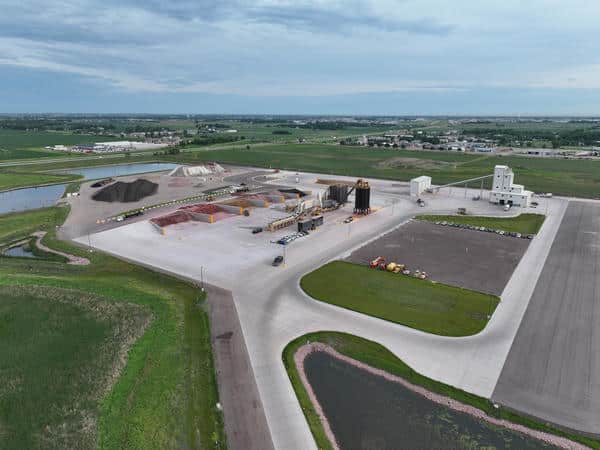
Myrl & Roy’s, a division of family-owned L.G. Everist, Inc., Sioux Falls, South Dakota, planned and built its new asphalt plant in Harrisburg with CWMF Corp., Waite Park, Minnesota. Additional vendors joined the team to facilitate delivery and installation of all systems for an environmentally friendly facility poised to meet market demands now and into the future. Photo courtesy of CWMF

Looking Ahead at a Sustainable Legacy

With the new plant now fully operational, Myrl & Roy’s has laid the groundwork for a long-term model of environmental stewardship. Leverson and his team continue to monitor and fine-tune systems to optimize efficiency and minimize impact.

Future goals include increasing the use of recycled materials. Leverson reflected on the larger mission: to build infrastructure responsibly, not just for business, but for the region and the environment. “Every aspect of the Harrisburg plant was built with the future in mind—not just in terms of production, but also sustainability,” he said. “We wanted this to be a benchmark facility, one that reflects who we are as a company and how we want to serve this community.”

The facility may have only recently opened its gates, but it already stands as a powerful symbol of what a responsible, forward-looking plant build can achieve.

Neutralize Odors at Your Asphalt Plant’s Stack and Baghouse

Improve community relations and stay in operation when you knock out odorous emissions at the HMA plant with plant-based molecular neutralization strategies.

Asphalt production and paving are essential foundations for modern infrastructure. Despite its indispensable nature, when the production of asphalt generates pungent odors, it negatively impacts surrounding communities and potentially creates operational disruptions. This problem is widespread due to asphalt’s global demand, as well as increasing urban development in areas surrounding production facilities.

The volatile organic compounds (VOCs) in asphalt binders create emissions, which can cause concerns from neighbors and passersby smelling the offgas. If left unaddressed, these concerns can become complaints, which can lead to regulatory restrictions.

This article explains the intricacies of odor control in asphalt production, particularly at the stack and baghouse. It also examines modern and effective solutions using plant-based formulations and delivery systems, mitigating emissions and fostering positive neighborly relations.

In many cases, plant neutralizers are blended directly into the asphalt mix, but for odor control at stack and baghouse outlets, vapor phase systems provide a simple and precise methodology for delivery. These systems disperse product as a vapor, maximizing contact with airborne VOC key emission points. Ecosorb vapor phase dispersion systems are designed to distribute plant-based odor neutralizer as a vapor at VOC key emission points, maximizing contact with odorous air without the need for water dilution.

Understanding Stack and Baghouse Operations

In asphalt production facilities, both the stack and baghouse play a distinct role in managing emissions. Understanding their functions and how they influence odor release, while rudimentary to most readers, is necessary for implementing effective odor control strategies.

Readers will recognize, the stack vents exhaust gases generated during various stages of production, including:

  • Aggregate drying,
  • Asphalt binder heating, and
  • Aggregates and binder mixing.

The stack’s primary function is to vent these hot gases and direct them away from the facility and surrounding areas. Stack height and design play a key role in dispersion, reducing the concentration of odors at ground level.

Readers will also recognize, the baghouse is an air pollution control device that removes particulate matter, such as dust, from the exhaust streams before they are released through the stack. It functions as a large filtration system, trapping particles in fabric bags, while cleaner air passes through.

While effective for removing particulates, the baghouse does not inherently remove VOCs, which are the primary odorous offenders. These malodors pass through baghouse filters in the clean air streams and are typically released into the atmosphere. While optimizing baghouse operation and maintenance improves overall air quality and indirectly contributes to odor reduction by minimizing dust emissions, absolving the issue adequately requires addressing VOCs more comprehensively with additional processing.

Solve Asphalt Plant Odor Issues

Chemical Complexity and Variability

The variable chemical composition of asphalt fumes is a leading challenge in asphalt production odor control, as it creates a dynamic mix of VOCs that fluctuates based on several factors.

Crude oil variability—Asphalt, a byproduct of crude oil refining, inherits the variability of its feedstock. Different crude oils have distinct chemical compositions, influencing the types and concentrations of VOCs produced during asphalt production. The use of “opportunity crudes,” which are lower quality and higher in sulfur content, further complicates odor management.

Asphalt binder grades—Different asphalt binder grades have varying viscosities and chemical makeups, causing variations in VOC emissions during heating and mixing. In particular, asphalts with higher viscosities require higher temperatures for processing, which increases volatilization of odorous compounds.

Recycled asphalt pavement (RAP)—The incorporation of RAP, while a sustainable practice, introduces additional complexity. RAP contains residual binders from previous asphalt mixes of varying age and source, which release their own unique malodors not found in the base asphalt.

Additives and polymer modification—Additives and polymer-modified asphalt binders are designed to enhance pavement performance. However, in addition to releasing their own VOCs when heated, the additives and binder can react with each other, further diversifying the odor profile.

Regional and seasonal variations—Crude oil sources and refining processes vary geographically, leading to regional differences in asphalt binder composition and odor profiles. Seasonal weather changes also influence VOC volatilization rates, affecting odor intensity.

Beyond commonly recognized hydrogen sulfide (H2S) offgas, other VOCs play a significant role in the overall odor profile. Mercaptans, for example, are potent sulfur-containing compounds with a garlic-like odor, and they are frequently present alongside H2S. A wide range of hydrocarbons—including aldehydes, ketones and aromatics—also contribute petroleum-like notes to the mix.

Operational factors further influence odor emissions. Processing temperatures impact VOC volatilization, with higher temperatures intensifying odors. Additionally, wind speed and direction affect odor dispersion, influencing the perceived intensity and impact on surrounding areas. Even plant layout and surrounding topography affect airflow and odor dispersion patterns.

Effectively controlling odors in asphalt production requires a holistic understanding of operational factors and all odorous components’ chemical composition. Addressing only H2S, for instance, is insufficient, because it overlooks the contributions of other VOCs and the dynamic nature of asphalt odors. Successful mitigation strategies must target and neutralize the specific odor-causing compounds in each mix, considering multiple contributing factors.

The baghouse functions as a large filtration system, trapping particles in fabric bags, while cleaner air passes through.

An Ecosorb field scientist collects air samples around a facility to ascertain an odor profile.

Effective and Safe Odor Neutralization Solutions

To address these and other challenges, modern and eco-friendly plant-based formulations leverage scientific advancements to neutralize odor-causing compounds at their source. These blends utilize natural plant oils and other biodegradable ingredients to effectively neutralize a broad spectrum of VOCs, including H2S, mercaptans and other hydrocarbons.

These products do not merely mask odors, but instead chemically react with and break down odor-causing molecules, significantly reducing the smell. This targeted approach provides both greater efficacy and environmental responsibility compared to traditional methods that rely on harsh chemicals and masking agents.

Recognizing the inherent variability in asphalt odor profiles, specialized suppliers offer both standard and custom solutions. Standard blends provide convenient and cost-effective odor control, covering a variety of compounds common in asphalt mixes. This approach increases implementation speed and simplifies startup.

For more complex or unique odor profiles, custom formulations offer a tailored tactic. In these cases, a specialized supplier employs advanced analytical techniques, including gas chromatography-mass spectrometry (GC-MS), to pinpoint the specific VOCs responsible for the odor at a particular plant. This type of detailed analysis guides the development of a customized blend of plant-based ingredients, optimized to react with the facility’s specific odor profile.

Effective application of these plant-based solutions is as important as the formulations themselves. In many cases, plant neutralizers are blended directly into the asphalt mix, but for odor control at stack and baghouse outlets, vapor phase systems provide a simple and precise methodology for delivery. These systems disperse product as a vapor, maximizing contact with airborne VOC key emission points. Their low-maintenance design is comprised of nozzles that are designed not to clog.

Vapor phase systems provide flexibility, adapting to multiple airflow rates. Leading suppliers use computational fluid dynamics modeling to optimize dosing, a sophisticated technique that simulates airflow patterns within the stack and baghouse. This enables precise placement of injectors to ensure thorough mixing, maximizing the interaction between neutralizer and targeted VOCs.

Controlling Blue Smoke and VOCs at HMA Plants

An Example From the Field

At one hot-mix asphalt (HMA) manufacturing facility situated near a residential area, frequent community complaints about strong and persistent odors posed shutdown risk. The plant served numerous contractors and construction firms, producing over 1,500 tons of asphalt daily.

The facility previously relied on a standard odor-mitigating additive, but changes in asphalt mix composition—including increased use of RAP—and the introduction of a new polymer-modified asphalt, rendered the existing solution ineffective. Recognizing the urgency of addressing the odor issue to avoid regulatory action and improve community relations, the plant approached Ecosorb, a leading supplier of plant-based odor control solutions, to assess the situation and develop a targeted solution.

The first step entailed comprehensive air sampling at various locations around the facility, including the stack, baghouse outlet and storage areas.

Kokosing Materials Inc. is a Good Neighbor

Using Markes thermal desorption tubes, the supplier collected samples over multiple production runs, providing a comprehensive understanding of the plant’s odor profile with different operating conditions and asphalt mixes. The samples were then analyzed using GC-MS at the supplier’s lab to identify and quantify the odor-causing compounds present in each sample, providing a detailed breakdown of the facility’s odor profile. The GC-MS data revealed not only the presence of H2S and mercaptans, but also a host of other contributing VOCs.

The team then formulated a customized blend of plant oils to neutralize the identified odor-causing compounds at a molecular level. The blend was dispersed at the sampling locations as a vapor, maximizing contact with the odorous air without the need for water dilution.

In the subsequent months after the solution was installed, the plant noticed a significant reduction in odor complaints from the surrounding community, enabling it to preserve operations and improve community relations. This outcome highlights the power of a targeted, data-driven approach to odor control, utilizing plant-based solutions to effectively and sustainably address complex odor challenges.

Successful mitigation strategies must target and neutralize the specific odor-causing compounds in each mix, considering multiple contributing factors.

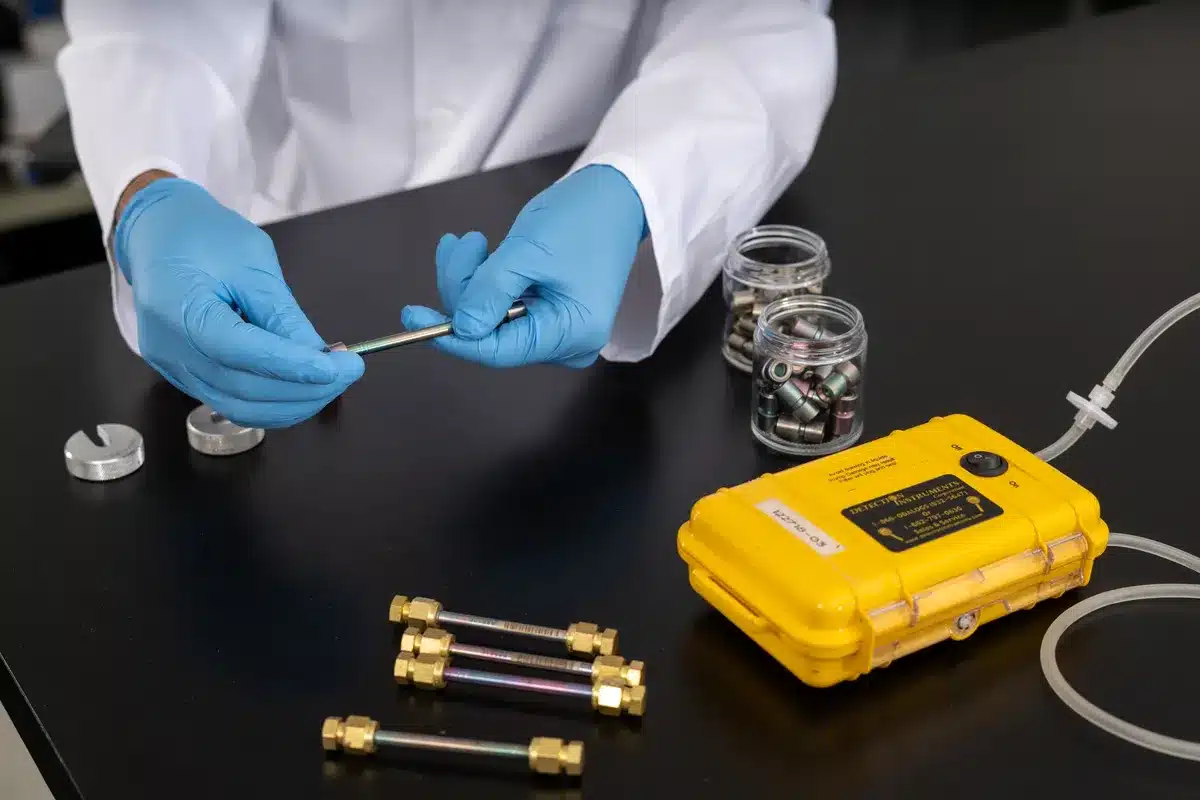
Markes thermal desorption tubes contain sorbent material designed to efficiently capture airborne odor molecules during sampling, and to preserve them at representative concentrations for lab analysis up to several weeks after collection.

Eco-Friendly Products Drive Asphalt Production Potential

Odor control is an integral component of responsible asphalt production. While conventional masking agents are inadequate in addressing this issue, leading suppliers with application expertise offer standardized and customized solutions for manufacturers, providing optimal odor control with formulations that fit each specific application.

By applying plant-based odor neutralizers at the stack and baghouse, producers can effectively mitigate foul odors using safe, environmentally friendly and cost-efficient methods. These formulations do not mask smells but instead neutralize them by breaking down and nullifying odor-causing VOCs present in the offgas.

These solutions empower asphalt manufacturers to proactively manage odor challenges, ensuring compliance, fostering positive community relationships and facilitating focus on core business operations.

Glenn B. Crisler II, Ph. D., is the senior research and development scientist for Ecosorb, where he manages the research & development laboratory.

Burner Technology Trends in Asphalt Plants: What’s Driving Innovation in 2025

For the May edition of AsphaltPro Magazine, our product gallery focuses on the hot-mix asphalt plant (HMA), warm-mix asphalt (WMA) plant, aggregates management, and other asphalt mix production products and services. One of the components integral to the asphalt facility is, of course, the industrial combustion system. Since 1998, I’ve covered original equipment manufacturer (OEM) advancements in research and development of burners that offer lower and lower emissions opportunities.

The Hades burner is also available from Tarmac International as a LoNox offering and was on display at the Tarmac booth during WOA. For more information, visit https://tarmacinc.com/

SEO Executive Ganesh Dukare of Persistence Market Research, Brentford, London, offered some forward-looking statistics for the industry, stating: “The industrial burner market is expected to grow from US$ 6.4 billion in 2024 to US$ 9.18 billion by 2031, with a CAGR of 5.2%. Growth is driven by industrialization, mining and petrochemical activities, while leading companies are investing in advanced burner technologies to reduce pollution and carbon footprints.”

This is the Detroit® HADES-125 (125 MBtu/hr) Low Emissions, Long Nose Burner Firing Recycled Fuel Oil (Natural Gas Capable). Installed on a Herman Grant 400 TPH counterflow dryer at David A. Bramble, Inc. in Wye Mills, Maryland. For more information, visit HADES Burners – Detroit Stoker Company

According to the company’s research, the top three trends driving growth in the next few years are a growing demand for energy efficiency and sustainability, the integration of automation and the Internet of Things (IoT) into burner management, and the shift toward multi-fuel burners, all of which we’ve seen happening in the asphalt industry. At the recent World of Asphalt (WOA) and AGG1 trade show in St. Louis, the team from Honeywell Industrial Automation, Houston, had the Honeywell Hauck Multi-fuel MegaStar burner on display in the booth directly across the aisle from AsphaltPro Magazine’s booth. One couldn’t walk the show floor without noticing the preponderance of evidence of our industry’s proactive stance on energy efficiency and sustainability, and there’s more on that concept in the WOA wrap-up coming in the June issue.

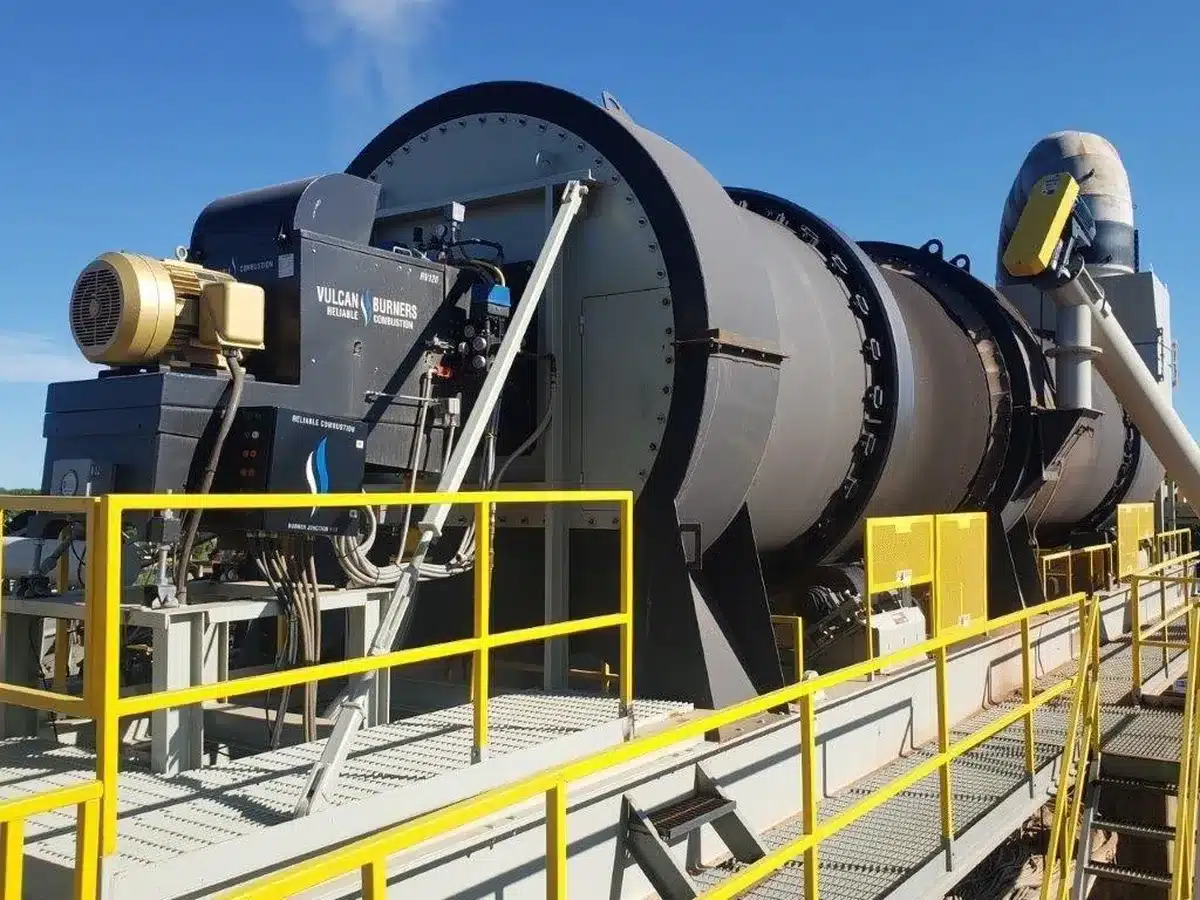
This is the RV120 long nose set up for natural gas and a single oil fuel. Currently running on natural gas. Located in Canton, Ohio. The Vulcan Burner is designed to accommodate various mounting configurations and plant layouts. Its low maintenance requirements stem from a direct-driven fan with no belts, coupled with a split housing design that facilitates easy access for servicing. The burner is capable of operating on multiple fuel sources and incorporates a comprehensive air system to enhance air control and overall efficiency. Safety is a priority, with features including an over-temperature switch and an additional switch to alarm when the housing is separated. Powered by a 75-horsepower motor, the direct drive axial fan delivers an air output comparable to larger motors while maintaining energy efficiency. The sound-insulated fan intake ensures quieter operation. Vulcan Burners are readily available. Replacement parts are also kept in stock for fast shipping. For more information, visit https://reliableasphalt.com/

Persistence Market’s research also shows the top three innovations in industrial burner technology are low emission burners, burners with smart combustion control systems and burners for renewable energy applications. One of the market opportunities they see for burner manufacturers is a focus on retrofit and upgrade solutions. As an example, the team at Meeker Equipment, Belleville, Pennsylvania, offers the Patriot-E electric hot oil heater, which is designed to fit into the footprint of a producer’s “former” combustion hot oil heater.

Examples of how the asphalt industry’s original equipment manufacturers (OEMs) provide systems in all the trending categories above abound. I can point directly to the Whisper Jet® LE burner from Astec Industries, Chattanooga, and the company’s Intelliflex burner controls on display at World of Asphalt as merely one in a robust and environmentally responsible industry of options. Let’s look specifically at what Persistence Market Research had to say about integrating automation and IoT into industrial burners. They began by acknowledging this integration is revolutionizing how these systems are managed and monitored.

The Whisper Jet® LE burner from Astec Industries, Chattanooga, is designed to cleanly and efficiently burn oil, natural gas or propane, and its compact flame makes it compatible with virtually all drum designs without complicated adjustments. Rapidly swirling high energy air is the key to the Whisper Jet burner’s combustion. The swirling air and flame are created by the fixed internal spin vanes and the patented castellated nose, ring and nozzle design. True to its name, the Whisper Jet burner is designed and equipped to reduce burner noise over competitive burners. For more information, visit https://www.astecindustries.com/products/details/whisper-jet-burner

“Modern industrial burners are now equipped with sensors and control systems that allow for real-time monitoring and adjustments. These IoT-enabled systems provide operators with valuable insights into burner performance, helping them detect inefficiencies, prevent malfunctions, and optimize performance.

“Furthermore, automated combustion control systems enable precise air-fuel ratio adjustments, enhancing combustion stability and efficiency. This integration not only improves operational efficiency but also reduces human error, leading to safer and more reliable operations. This trend toward automation and data-driven management is expected to continue as industries seek to improve productivity and reduce downtime.”

The MegaStar burner from Honeywell Hauck is designed to burn multiple fuels and was on display during World of Asphalt. For more information, visit https://process.honeywell.com/us/en/products

One aspect of burners we should focus on from the company’s research is that of the low-emission offerings. “These burners are designed to reduce the production of pollutants such as nitrogen oxides (NOx), carbon monoxide (CO) and particulate matter,” they wrote. “Low-emission burners are often equipped with advanced features such as staged combustion, flue gas recirculation and catalytic converters to achieve cleaner combustion. Innovations in burner technology, such as the use of advanced flame sensors and improved burner management systems, have made it easier to meet stricter emission standards while maintaining high efficiency. As governments around the world implement more stringent environmental regulations, the demand for low-emission industrial burners is expected to continue to rise.”

Watch for this department to feature more updates from WOA/AGG1 over the next few editions!

Check out the article from Malcolm Swanson of e5 Engineers, “Using Combustion Quality Management in Burner Emissions Control,” in the February 2025 issue for a detailed discussion of this technology and its application in our industry.

Using Combustion Quality Management in Burner Emissions Control

Persistence Market concluded their report stating, “The industrial burner market is evolving rapidly, driven by technological advancements, a growing focus on sustainability and the need for energy-efficient solutions. Innovations in low-emission burners, automation, multi-fuel burners and renewable energy applications are shaping the future of industrial combustion systems. With expanding markets in emerging economies and a growing emphasis on retrofitting older systems, the market holds promising growth opportunities.”

The plant-and-production product gallery following the successful WOA/AGG1 show would be remiss if it only focused on one component of the production process. Check out production iron and services in the next few pages from companies who exhibited at the industry event and companies who were unable to attend. Some of these products are new to the marketplace and some are tried and true technologies with upgrades to renew their efficacy for enhancing your bottom line. If there’s something that catches your eye, make sure you reach out to the OEM and let them know you saw it in the pages of your industry partner, AsphaltPro Magazine. And watch for this department to feature more updates from the recent show over the next few editions, as space allows.


ADM Unveils EX 8845 Asphalt Plant for High-Capacity Production

Astec Updates IntelliPac Moisture System for RAP Compatibility

CWMF Unveils Dust Pilot Baghouse for High-Capacity Asphalt Plants

Eagle Crusher Launches Next Gen 1200-CC Portable Crushing Plant at WOA

John Deere Adds Jobsite Monitoring Features to Operations Center

Lippmann Crushers Expands Midwest Reach With US Equipment Sales Partnership

Using Combustion Quality Management in Burner Emissions Control

Focus on Performance: A Review of Burner Emissions Control Means for Asphalt Plants

Editor’s Note: The new Focus on Performance series from AsphaltPro Magazine allows OEMs and service providers in the industry to highlight asphalt professionals who have improved efficiencies and the bottom line through best practices and performance. This month’s installment from Malcolm Swanson, P.E., dives specifically into efficiencies gained through controlling the combustion process. As always, we’re honored to share Swanson’s knowledge with the industry.

The challenge of controlling emissions from fossil fuel burning industrial processes has been a major focus of industry since the passage of the Clean Air Acts of 1970 and 1990. So, the subject of this article is nothing new; but what makes the best emissions control methods work is not widely understood, even today. It’s good to know what works and why.

Use Low NOx Burners to Decrease Emissions

Chemicals Get A Bad Rap

Controlling burner emissions is really all about controlling formation and/or emission of certain chemicals. If you look at it from this point of view, our physical world is composed of chemicals. The cleanest things in nature, like pure water and fresh air, consist of chemical elements and various compounds of those elements. Air is mostly nitrogen—about 78%. Oxygen is the next most abundant element in air at about 21%. That leaves 1% for things like carbon dioxide, argon, hydrogen, helium, etc.

We can’t live without chemicals. In fact, we too are composed of chemicals. (I am not talking about our soul and spirit of course, just our bodies.)

There are chemicals that are harmful to the environment and to our health. However, even where “harmful” chemicals are concerned, the issue of danger is really about concentration.

For example, we all breathe carbon dioxide every minute of every day, but it doesn’t hurt us because normal air doesn’t contain a high enough concentration to damage our health. We can’t live without carbon dioxide because the plants that make oxygen and provide us with food need carbon dioxide to live and grow.

So, the real reason we try to control combustion process emissions is to keep the ambient concentrations of certain chemicals that have harmful potential at levels low enough to avoid harm. With that in mind, let’s consider what goes into controlling the oxides of nitrogen (NO and NO2, together referred to as NOX), carbon monoxide (CO), carbon dioxide (CO2), and total hydrocarbons (THCs).

What You Need to Know About Burner Size and Performance

Take Control of NOX

To narrow the focus of control efforts a bit, until climate change became the main issue, NOX had been considered the major offender, because it is a contributor to smog and can cause irritation of our respiratory systems. It has, therefore, received much attention. Controlling NOX emissions has been and remains difficult partly because some NOX control technologies tend to cause increased CO and CO2 emissions.

There are several different groups of technologies that have been developed to control NOX emissions. The major ones are combustion modification, exhaust gas treatment, staged combustion, fuel selection and combustion quality management. The last of these is probably not as familiar to many readers as the others. I will briefly discuss all five and then focus on the last.

To understand NOX emissions and how to control them, we must understand how they are created in the combustion process. NOX is formed through two different mechanisms and is referenced by those mechanisms—thermal and fuel.

  • Thermal NOX is formed in burner flames at very high temperature by burning the nitrogen in the air. This happens when fuel is burned, with air as the source of oxygen, at temperatures of about 2200°F and higher. With thermal NOX, the higher the temperature and the longer the time at high temperature, the more NOX is produced.
  • Fuel NOX is made when the “bound nitrogen” in the fuel compounds unites with oxygen in the flame. The amount of fuel NOX made is not so much related to time and temperature as it is to the amount of nitrogen in the fuel. Some fuels contain much more bound nitrogen than others. Basically, the heavier the fuel, the more bound nitrogen it contains. Coal, heavy oil, number 2 oil, propane and natural gas contain bound nitrogen, in this order from most to least. There isn’t much way to control how much fuel NOX is made in the burner flame except to use fuels that are low in bound nitrogen, like natural gas and propane, and burn as little fuel as possible by maximizing combustion and process efficiencies.

Because thermal NOX formation is strongly affected by temperature, much of the control efforts have been toward reducing flame temperature. Here are some ways that have been implemented. Flue Gas Recirculation (FGR), which is one of the means of reducing flame temperature, was the first effective means of NOX control implemented in asphalt plants.

FGR, which is also referred to as exhaust gas recirculation (EGR), is effective at reducing NOX, because it does two things that are unfavorable to NOX formation. First, it reduces temperature. It also reduces oxygen concentration in the flame making oxygen a little less available for bonding with nitrogen. However, FGR can only be pushed so far, because a deficiency of oxygen and low flame temperatures cause increased CO, CO2 production and exhaust gas volume.

Water injection directly into the flame was another early means of NOX control by suppression of flame temperature. Results were similar to FGR, but it was not quite as effective.

Staged combustion is another method of NOX control by reducing flame temperature and by creating zones where the fuel air mixture is not favorable for NOX production. The “stages” are points or areas within the combustion zone where portions of the total fuel and/or air are injected. Usually, a fuel rich zone is followed by a fuel lean zone so that the overall fuel air mixture is right but the mixture at each stage, rich or lean, is different from the final overall mixture. These methods are combustion modification techniques.

Treatments of the exhaust gases downstream of the process have also been used to reduce NOX, CO and TOCs but not so much in asphalt plants. In fact, my first patent in the asphalt industry was for catalytic reduction of NOX in the exhaust stream. The patent was issued but the equipment was never built due to there being less expensive alternatives.  Urea injection into the exhaust gas stream is another effective means of NOX reduction but it has seen little, if any, use in our industry.

Fuel selection has become the most common means of combustion emissions reduction, even though, by itself, it often does not provide enough emission reduction to comply with applicable regulations. Natural gas is currently the fuel of choice. It is usually available and affordable and contains the least amount of carbon and bound nitrogen of any fossil fuel. If natural gas is unavailable, propane is the next best thing.

Sustainability Tips for Asphalt Plant Dryer Burners

Combustion Quality Management

The discussion on Combustion Quality Management (my term) is the most interesting, in my opinion.

Burners, not just in this industry, but burners in general and especially large ones such as those we need for drying, have not been very good burners. For the most part, they have been perfectly adequate to provide the necessary heat and decent fuel efficiency for the drying process but have not been adequate to meet increasingly stringent emissions limits.

Most of the burners that have been used in this industry did not maintain consistent fuel air ratio throughout the normal firing range, but they were close enough for drying. It should be obvious that consistently maintaining the right fuel air ratio is critically important to controlling emissions. If you use too little air, the fuel burn will be incomplete and a lot of CO will be produced. Flame temperature will also rise causing excessive NOX production. If you go the other way with too much air the NOX may practically disappear because the flame is cooled by the excessive air but, again, CO emissions will increase because the “chilling” of the flame slows the chemical reaction of combustion and prevents complete burning. Too much air will also impact production rate by increasing exhaust gas volume.

However, let’s assume we have that part whipped. We can maintain the right ratio. There are some total air burners in the industry of which that assumption is nearly true. Our (this industry) burners still have not done a good job of emissions control for one reason: They do not mix the fuel and air very well.

When the fuel and air are not well mixed, what do you get for a flame? What you don’t get is a homogeneous mixture and, therefore, you don’t get a homogeneous flame. Rather you get a heterogeneous mixture and flame.

Think of the flame volume, with poor mixing, this way. It is as if the flame is composed of “pockets” of fuel-air mixture. Some pockets are fuel-rich while other pockets are fuel-lean. The rich pockets tend to burn hotter than the overall average flame temperature while the lean pockets burn cooler. We have both ratio problems—too rich and too lean—in one flame that is of the correct overall fuel air ratio. So, the flame makes too much NOX and too much CO even though the fuel air ratio is right.

These pockets of fuel air mixture of different ratios burn at different rates. This tends to make the flame large. For the typical 100 million BTU/hr gas burner the flame will be 12 to 14 feet long and 6 or 7 feet in diameter. That not only takes up a lot of the space in the dryer drum, but it extends time in the flame for every molecule. More time at temperature means more NOX.

This is what we have had. Now what do we do?

Dig deeper…down to the molecular level. Oxygen molecules prefer fuel molecules and do not like nitrogen molecules. Nevertheless, they will “marry” something if what they prefer is not readily available. Similarly, a carbon molecule will settle for one oxygen molecule if it can’t get two. So, the key to good clean burner emissions is mixing.

Mixing must be so good that nearly every fuel molecule ends up right next to an oxygen molecule. When that happens, the oxygen molecule will take the fuel and reject the nitrogen.

Of course, there isn’t enough fuel to suck up all the oxygen, so some NOX will be formed but it will be greatly reduced. Also, CO production will be minimal. Finally, combustion efficiency will be high, which reduces the fuel burn and, therefore, CO2 formation.

If it sounds crazy to say molecules have preferences, it won’t once you understand how it works. It’s called activation energy. To get the combustion reaction going, you must put some heat energy in and then you get much more back out. A match provides the activation energy to start the wax in a candle wick burning. The fuel/oxygen reaction requires less activation energy than the nitrogen/oxygen reaction. So, given equal availability of nitrogen and fuel to an oxygen molecule, the fuel/oxygen reaction is the one that will happen.

Something else that is really cool is that you get a flame with uniform temperature. There will be no hot or cold pockets. So, there are no “super emission producing” pockets in the flame. Also, because the fuel doesn’t have to waste time searching around to find an oxygen molecule to marry, marriage happens quickly, resulting in a very short flame.

The 100 million BTU/hr flame described above shrinks dramatically. It can be as small as 2 or 3 feet long and 2 or 3 feet in diameter. Flame volume shrinks to about 3% or 4% of that of the typical burner. That means very little time at flame temperature as well as no hot or cold pockets. Time in the flame drops to a few milliseconds.

Enhance EPDs with Burner Tech

Extraordinary Mixing

The question becomes, “How do you get that kind of extraordinary fuel air mixing?” You may be thinking “premix,” and you could be right, but most premix burners don’t get there. Premix is not necessarily better than nozzle mix. That is why there is such a thing as “lean-burn premix” firing. If the mixture is really good, the extra excess air of lean-burn premix isn’t needed. (The extra excess air is not a good thing because it reduces the plant production capacity by adding load to the exhaust system.)

The thoroughness of the mixture isn’t achieved just because it is premix or nozzle mix. It doesn’t really matter whether you get there by premixing the fuel and air upstream of the burner nozzle or do it at the nozzle. However, no one has been able yet to get that level of mixing in a nozzle-mix burner, as far as I know. I’m not saying that nozzle-mix burners are not good burners. There are some excellent nozzle-mix burners, but they aren’t ultra-low NOX burners.

Reliable Asphalt Products’ Vulcan Burner

Achieve the Best

As I share all these things, just so you know, I am not revealing any secrets. The basic science is the basic science. No one owns it. How to employ it to achieve these advantages has already been revealed in the patents. I am explaining in “English” what the patents and the science say in more complicated language.

The formation of carbon dioxide comes from burning fuels containing carbon. All fossil fuels contain carbon and hydrogen; hence, they are called hydrocarbon fuels. Those that contain the most carbon will produce the most carbon dioxide when burned. The ranking from most to least is the same as the ranking above for fuels containing the most bound nitrogen. With any particular fuel, the amount of carbon dioxide released is determined by efficiency. Obviously, burning more fuel makes more CO2 while burning less makes less. If you are going to burn a fossil fuel, the only means of CO2 control at the burner are fuel selection and efficiency.

Fuel selection is obvious: Use natural gas if possible.

Efficiency has two parts. First, there is combustion efficiency. The best possible combustion efficiency is basically burning all the fuel with the least possible amount of air. The least possible air is called “theoretical air” or “stoichiometric air.” In reality, burners never completely burn all the fuel and always use more air than the theoretical air. Combustion air, in excess of theoretical, is called “Excess Air.” Even the best commercial / industrial burners must have some excess air (usually about 25%) to get a good fuel burn. It might surprise some of us to know that minimizing burner emissions is not just about the burner.

The second part of efficiency is process efficiency. It is possible to have near perfect combustion and still have high fuel consumption and emissions because of waste in the downstream process. If you burn, for instance, 20% more fuel than is necessary, you make 20% more emissions. The telltale of poor process efficiency is high exhaust temperature and high equipment surface temperatures.

Good equipment insulation and good process heat transfer are the means of control for post combustion process efficiency. Asphalt plant dryer heat transfer efficiency is determined by controlling the exhaust gas temperature using the dryer flight system and drum rotational speed. Exhaust gas temperature should be maintained just above dewpoint temperature, with some allowance for cool and windy weather conditions. Dewpoint temperature in the plant exhaust stream actually changes very little. It is almost always in the range of 160 to 175°F. On a warm sunny day, it is safe to operate with 185°F stack temperature with no worry about mud in the baghouse. On a cold windy day, with uninsulated ductwork and baghouse, going up to 240°F stack temperature would be safer. With a good insulation system, cold and windy doesn’t matter. Operating with stack temperature near dewpoint provides much better process efficiency than is typically found among asphalt plants.

So, what is out there and available to manage your combustion quality? Astec has a low excess air premix burner that does the extraordinarily good mixing that I have described and achieves ultra-low NOX levels. There is also a good Hauck premix burner. Genco has a good, staged combustion burner. I am not trying to promote any particular burner. I just want to help increase understanding of the challenges and solutions of asphalt plant burner emissions control.

I hope, as you read everything above, that you didn’t brush over the importance of process efficiency as opposed to combustion efficiency. High fuel consumption caused by high stack temperature will increase emissions and decrease profits, even with the best burner in the world.

Malcolm Swanson, P.E., is the proprietor of e5 Engineers. For more information, he welcomes you to contact him at malcolme5engineers@gmail.com or (423) 667-6781.