
This Isn’t Your Grandfather’s Asphalt
BY Bill Stanley
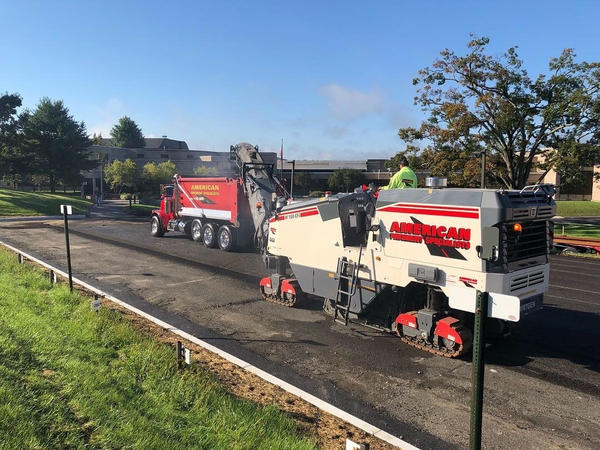
RAP has made our industry more sustainable, helped us keep up with demand, and kept costs from climbing even higher—but it’s also changed the way today’s mixes behave. After 50 years of laying asphalt, Bill Stanley has seen both sides. Here, he shares what he’s seeing in the field and how contractors can adapt.
I’ve been laying asphalt for more than 50 years, and I can tell you one thing: today’s material isn’t the same as it was 20 or 30 years ago.
There are a few reasons for that, but a lot of it comes back to reclaimed asphalt pavement (RAP). It’s one of the biggest conversations in our industry. The truth is, it’s also one of the most misunderstood.
For me, it’s a bittersweet conversation. I’ve been in this industry long enough to know RAP has made our industry more sustainable, helped us keep up with the demand for material, and that without it, I think asphalt prices would probably be double what they are today. But I also know it’s changed how the material behaves, and that has disappointed some people who don’t understand why the industry has gone this direction—or what it means for the way we pave today.
So, let’s rap about RAP.
Beyond the Spec Book: Bill Stanley’s Standards for Blue-Collar Quality Control
RAP Is Here Because We Need It
When RAP first started showing up in asphalt mixes 25 or 30 years ago, it was a pretty small percentage—2%, maybe three. Then, over the years, 5%, 10%, 20%. Today, depending on where you are in the country, it’s not unusual to see much higher percentages.
On one hand, RAP has been one of the best things to happen to our industry. Asphalt is the most recycled product on the planet, and that’s something we should all be proud of. Every time we mill a road or parking lot, we’re recovering valuable material instead of sending it to a landfill.
And the reality is, we need it. In many parts of the country, quality aggregate and natural sand are getting harder to find. Florida is a perfect example. They don’t have enough native aggregate, so RAP has become an extremely valuable commodity. Without it, some regions would struggle just to produce enough mix to keep up with demand.
That’s why this is such a bittersweet conversation.
In many ways, today’s asphalt has solved yesterday’s problems. Years ago, on our highways, you’d see asphalt rutting and shoving under traffic because the asphalt was softer. Not anymore. Today’s material is much harder than it used to be.
On the DOT side, I think that’s been a good thing. But the other side of that coin is the material doesn’t have the same flexibility it had years ago. From the private contractor’s side, we’re seeing more reflective cracking. For our private customers, it’s leading to a lot more callbacks than before.
Before the lab techs bite my head off, I’m not talking about every mix. Some mixes perform just fine, and that’s why the quality of the recycled material going into the plant makes a big difference. But from my perspective as a laydown contractor, we’re still learning.
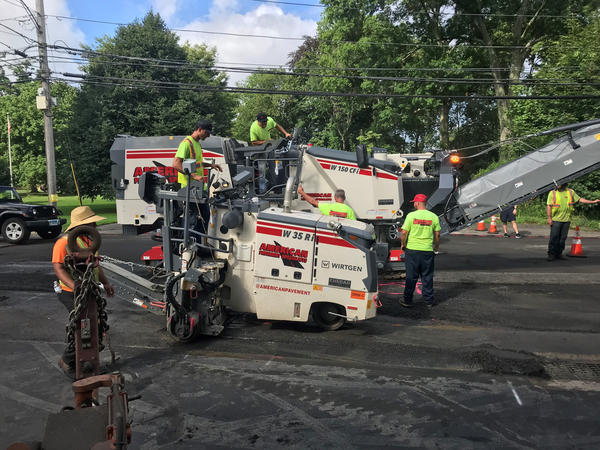
There’s RAP, and Then There’s RAP
Before we blame every problem on RAP, there’s something important to understand: there’s RAP, and then there’s RAP. In my opinion, the quality of the RAP going into the plant has everything to do with the quality of the mix coming out.
Material that comes off a fairly recent interstate or airport pavement is a whole lot different than material that comes off a 30-year-old back road or an old parking lot. If you’re taking clean, quality material and blending it the right way, you’re starting with a much better product and you’re ending up with a much better product.
But if that pile is dirty, has moisture, and who knows what else mixed in, you’re asking that material to do something it was never designed to do.
Some plants do a much better job than others. They know where their RAP came from. They test it, they process it and they handle it the right way. As a contractor, you learn pretty quickly which plants pay attention to those details, and when I have a choice, that’s where I want to buy my asphalt.
If we’re going to keep increasing RAP percentages—and I think we will—then every plant needs to treat that recycled material like the valuable raw material it is. Otherwise, the whole industry suffers for it.
Control What You Can Control
I’d love to see every plant treat their RAP right. But I don’t own an asphalt plant. I don’t decide the mix design. I don’t know exactly where every load of RAP came from. My job is to take the material I’m given and put down the best pavement I can.
That means the little things matter more than ever. Today’s material is less forgiving than it used to be, so there’s less room for error. We put a lot of focus on our joints. We try to keep our cold joints as short as possible. We pay attention to joint placement. We stay on top of segregation. We make sure we’re getting good compaction.
Truth be told, my approach to material with higher RAP percentages starts well before the first truck ever arrives on the job site. I spend a lot of time talking with my customers about how today’s asphalt is different than it used to be. I explain that some amount of RAP is just part of the mix now. Around here, there are only a couple of plants still making virgin mix, and even then, it may not make sense for their project. I explain how RAP has helped keep material available and costs from climbing even higher.
But I also tell them straight out that today’s pavement may not behave like the asphalt they put down 20 years ago. They may see some reflective cracking sooner than they expect. They may see a seam open up. That doesn’t mean the pavement failed. If the pavement is still smooth, draining, plowable and not potholing, it’s still doing its job.
Once they understand that, we can have a much better conversation about pavement preservation. We start talking earlier about crack sealing, rejuvenators, fog seals, chip seals—whatever makes sense for that property—because if you want to get the most life out of today’s asphalt, you have to stay ahead of it.
Bill’s Field Observation: We’ve started selling more one-thick-lift projects over a quality foundation instead of two thinner lifts. When we’ve gone back and looked at those jobs a few years later, the binder course was often still in good shape—it was the surface course that had cracked and started separating. In my experience, one thicker lift has held up better.
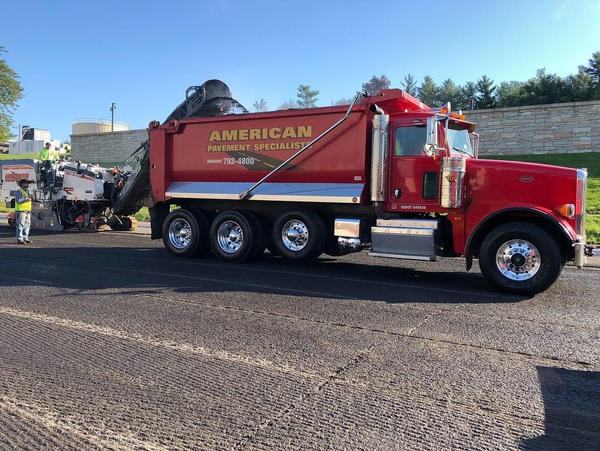
Every load of RAP starts here; the cleaner the milling operation and the better the material is handled, the better chance the plant has of producing a quality asphalt mix.
The Bottom Line
I’m not a lab engineer. I’m not a mix designer. I’m a paving contractor. The reason I care so much about RAP is because I’ve spent my career putting asphalt on the ground, and when a customer calls me two or three years later asking what’s going on with their pavement, I have to have an answer.
Look, I understand the benefits of RAP. I know it’s not going away, and I don’t think it should. It’s become an important part of our industry, and I believe we’re going to keep getting better at it. Balanced mix designs, higher material management standards and a better understanding of how RAP behaves are all steps in the right direction, and I think the industry is heading that way.
Until we get there, my job is simple: put down the best pavement I can with the material I’m given, keep learning, and make sure my customers understand how to get the longest life possible out of their investment.