
How to Know When a New Hire Is Worth the Extra Effort
BY Bill Stanley
Every new hire costs time, training, and attention from your best people. Bill Stanley shares which early signals show him who’s worth the extra investment.
I’ve hired a lot of people over the years. Some worked out. Some didn’t. And what I’ve learned is that you don’t have to wait long to see the difference.
The signs show up early—sometimes in the interview, sometimes on Day One. If you’re paying attention, you can start to see who’s going to grow into a solid, long-term employee and who probably isn’t.
That matters because every new hire costs you something: time, training, and attention from your best people. This isn’t about being impatient or unfair. It’s about knowing where to invest your resources so the people who really want to be here get the support they need to succeed and stay.
Here’s what I watch for early on, and how I decide who’s worth that extra investment.
You Know Early—If You’re Paying Attention
I usually know within the first couple of days if a new hire is going to work out. Not because I’ve figured them out completely, but because I’m watching how much I have to tell them what to do.
I’ve had guys who didn’t work out come into my office and say, “I did everything you asked me to do.” And they did. But if I have to direct every move, that tells me something. Early on, I’m not looking for skill or experience. I’m looking for awareness.
The keepers notice what’s going on around them, even before they understand the whole job. They’ll move something that’s about to get run over. They’ll recognize when equipment is moving and make sure the area is clear without putting themselves in an unsafe situation. Nobody had to explain the entire operation for them to see that something needed done.
That’s the difference I’m watching for. Doing exactly what you’re told is easy. Paying attention to the job instead of just your assignment takes a different mindset.
If I see that awareness early, I’m willing to slow the crew down and invest the time to train the new guy. If I don’t, I’m not going to force it or drag it out. That’s how I know, and I know fast.

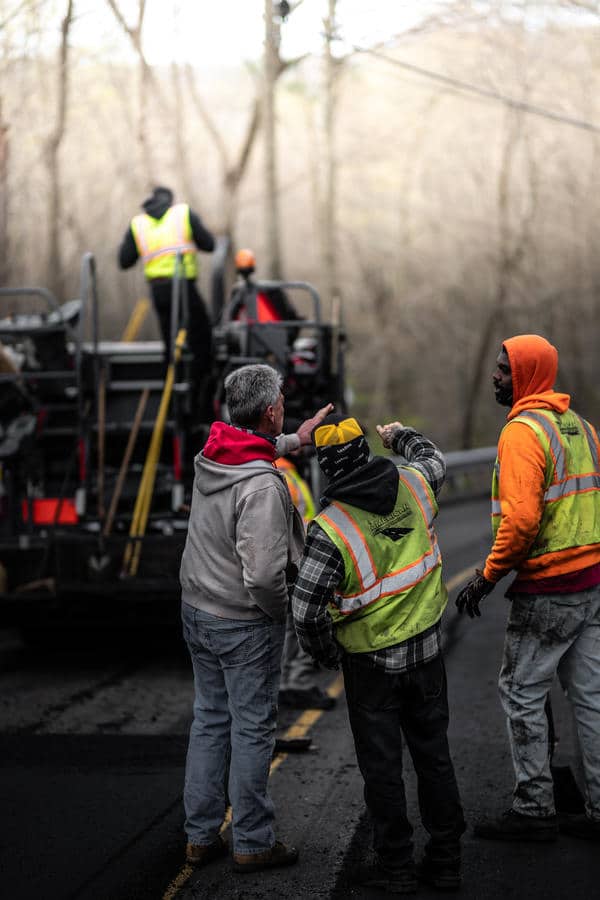
You learn a lot by watching how a crew works together, Stanley said. The best employees don’t wait to be told—they communicate, anticipate the next move, and help keep the whole operation moving.
The Dating Period Starts in the Interview
I’ve said this before, and I still believe it. I look at hiring the same way I look at a relationship. We date for a while. If that goes well, we get engaged. If that still works, we get married.
The interview is the first date.
At that stage, I’m not trying to impress anyone with perks or promises. I’m trying to show you who we are, how we operate, and where we’re trying to go. Just like on a real first date, I’m letting you get to know us and seeing if you actually like what you see.
There’s a big difference between selling and showing. Selling sounds like perks, numbers, and guarantees. It’s the dating version of someone talking nonstop about how much money they make, what they drive, and how great they are. Showing is simpler. It’s letting someone see who you really are and then deciding if that’s something they want to be part of.
A lot of companies use the interview to talk about everything they’re going to give the employee. We don’t do that. Of course we pay a fair wage. We run clean equipment. We’re professional. But we also make it clear right there in the interview that the real opportunity comes later—bigger responsibility, more trust, real career progression. That’s engagement and marriage, not a first date.
I learn a lot by how someone reacts to that in the interview. Are they interested in the work and where it can go, or are they focused on what they get right now? And when someone says, “I’ll let you know,” that’s usually my answer. That’s the dating version of “I’ll call you sometime.”
The people who work out don’t need to be sold. They lean in. They want to know if this has a future. That’s what I’m trying to figure out early, before either side commits more than they should.
The Liability That Doesn’t Look Like a Problem—Yet
Sometimes it’s obvious when a new hire isn’t going to work out. They don’t show up. They don’t follow directions. They operate unsafely. Those situations sort themselves out quickly.
The tougher ones are the hires who show up, do what they’re told, and don’t cause waves, but if you watch closely, you start to see the issue. If you don’t give them the next move, nothing happens. If something’s in the way, it stays there. If there’s downtime, they pull out their phone instead of finding something useful to do.
On a construction site, that approach creates problems. It slows the crew down, puts extra pressure on the people around them, and forces foremen to start micromanaging things they shouldn’t have to be managing.
Another warning sign is when something goes wrong and the answer is, “I didn’t see it.” If you’re not seeing what’s happening around you, you’re not just falling behind, you’re creating risk. Awareness matters, and the lack of it shows up early.
These hires don’t usually fail fast. They hang around. And over time, they quietly drag the whole operation down.
The Caboose Problem
This is where having too many “good enough” employees starts costing you your best people.
I’ve got a young guy right now who started at the bottom and earned his way up. He’s become one of my most reliable truck drivers. He’s eager to learn new equipment. He’s ready for more responsibility and should be moving up.
The problem isn’t him. The problem is that if I move him, I don’t have anyone ready to replace him. He can’t move up until someone can step into his role, and right now I don’t have that. The people behind him can only do one thing, and they need too much direction to keep the operation moving.
So he’s stuck. And sooner or later, that rising star starts looking for other opportunities because there’s nowhere for him to go in your organization.
That’s why I’m willing to make hard changes. I’ll replace multiple people if I have to in order to keep one high-potential employee moving forward. Because once you lose that person, you don’t just lose a worker. You lose momentum, leadership, and the future you were trying to build.
Mistakes We’ll Fix vs. Mistakes We Won’t Tolerate
Everybody makes mistakes. That’s part of learning. We expect it.
Some mistakes just come down to learning our standards. Don’t pull onto a homeowner’s yard. Take pride in how things look when we leave the job. Keep your truck and equipment clean. That stuff matters to us.
Those are training issues. We correct them and move on. Where the line gets drawn is safety.
For example, walking between the paver and the trucks. If it happens once and we correct it, fine. If it happens again, it’s not a mistake—it’s a habit. And bad habits on a construction site get people hurt or killed.
The same goes for when something serious happens and the answer is, “I didn’t see it.” Once might be a wake-up call. Twice is a problem. Because out here, not seeing things has real consequences.

For Stanley, pride in the job matters. Clean equipment, professional appearance, and attention to detail aren’t extras—they’re early indicators of whether someone is here for a career or just passing through.
What Experienced Crew Members Notice
Owners and foremen aren’t the only ones watching a new hire. Experienced crew members are, too. They’re the ones working side by side all day.
I pay close attention to what the crew says. If they tell me, “He’s trying,” or “He’s getting it,” that matters. If they say, “I don’t want to work with him,” that matters, too. I need to know why. Sometimes it’s because the new hire isn’t working out. Other times, it has more to do with the veteran employee saying it.
I’ve seen both. Some people are glad to have a strong new hire and are willing to help them get better. Other people feel threatened when someone new shows potential, especially when they realize that person might pass them if they don’t step up.
That’s where leadership has to stay engaged. You have to understand why someone doesn’t want to work with a new hire. If the new employee truly isn’t cutting it, that’s one decision. But if the pushback is coming from a veteran employee’s insecurity, you can end up firing a rising star.
Insecure employees can still be good employees, but they need to be reminded of the caboose problem—and at the same time, that rising star needs to be protected and nurtured. Neither of those things can happen if you don’t understand the why.
The Bottom Line
Here’s the truth. You never know everything about a new hire on Day One. But if you’re paying attention, you know enough to decide whether someone might be worth the extra effort.
You see it first in the interview. Are they asking where this can go, or are they only focused on pay, time off, and perks? Then you see it again on Day One. Are they paying attention? Are they proactive? Are they engaged in what’s happening around them?
That’s when I start leaning in. I spend time with them. I train them. I put them with the right people on the crew—the ones who will help them get better. At that point, we’re still dating, but there’s real commitment on both sides. If that keeps going well, they earn more responsibility and more opportunity. We’re not just dating anymore. Now we’re engaged.
And when it just keeps working, that employee is marriage material. At this point, we’re not talking about a job anymore. I’m all in to help build them a lifelong, profitable career.