Performance Equipment Mills with Diamond Teeth

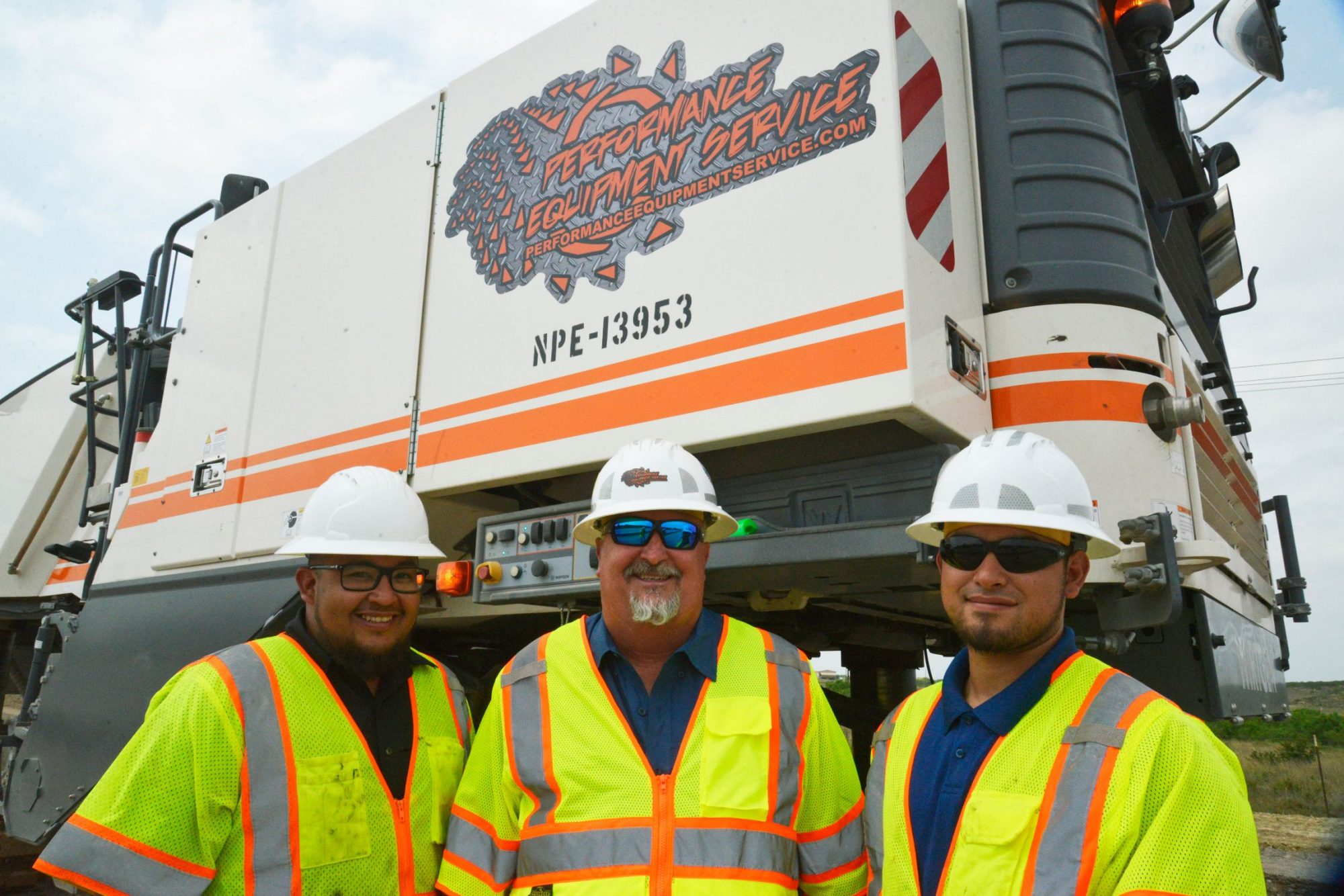
Performance Equipment Service, San Antonio, performs only asphalt milling and soil stabilization, and its motto of No Ugly Milling is fulfilled by its dedication to performance.

“Our newer fleet of equipment allows for high production with fewer breakdowns,” President Kelly L. Durham said. “We provide high production profile milling with diamond teeth. We are still a soil stabilization and milling contractor, with ten cold mills and four recycler/reclaimers. We work all over Texas in support of any of the large contractors in the state of Texas who need milling and reclaiming services.”

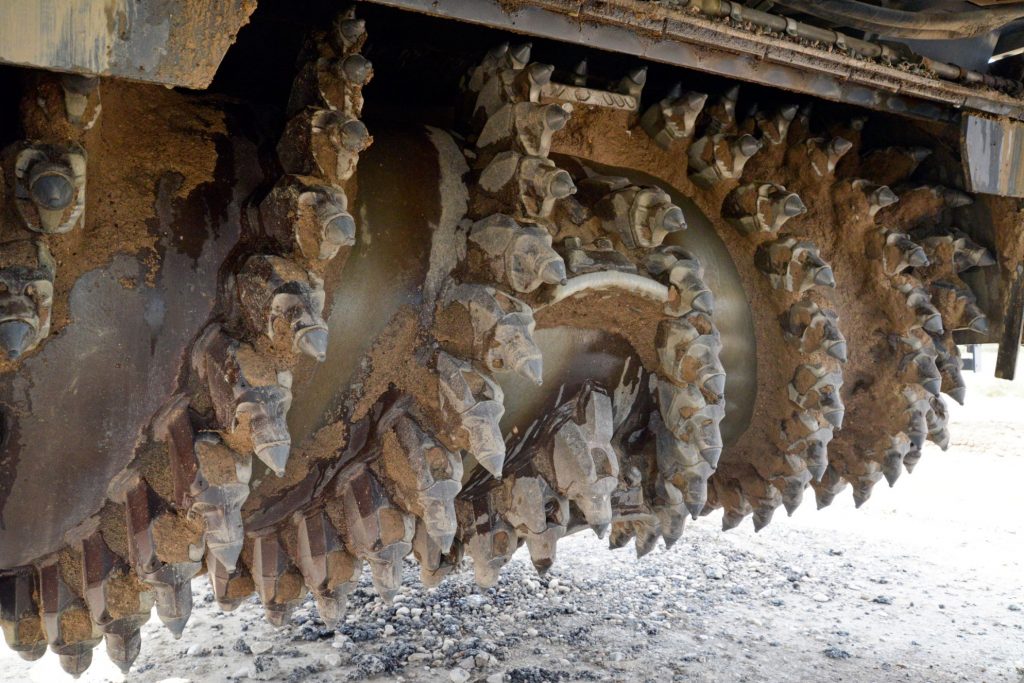
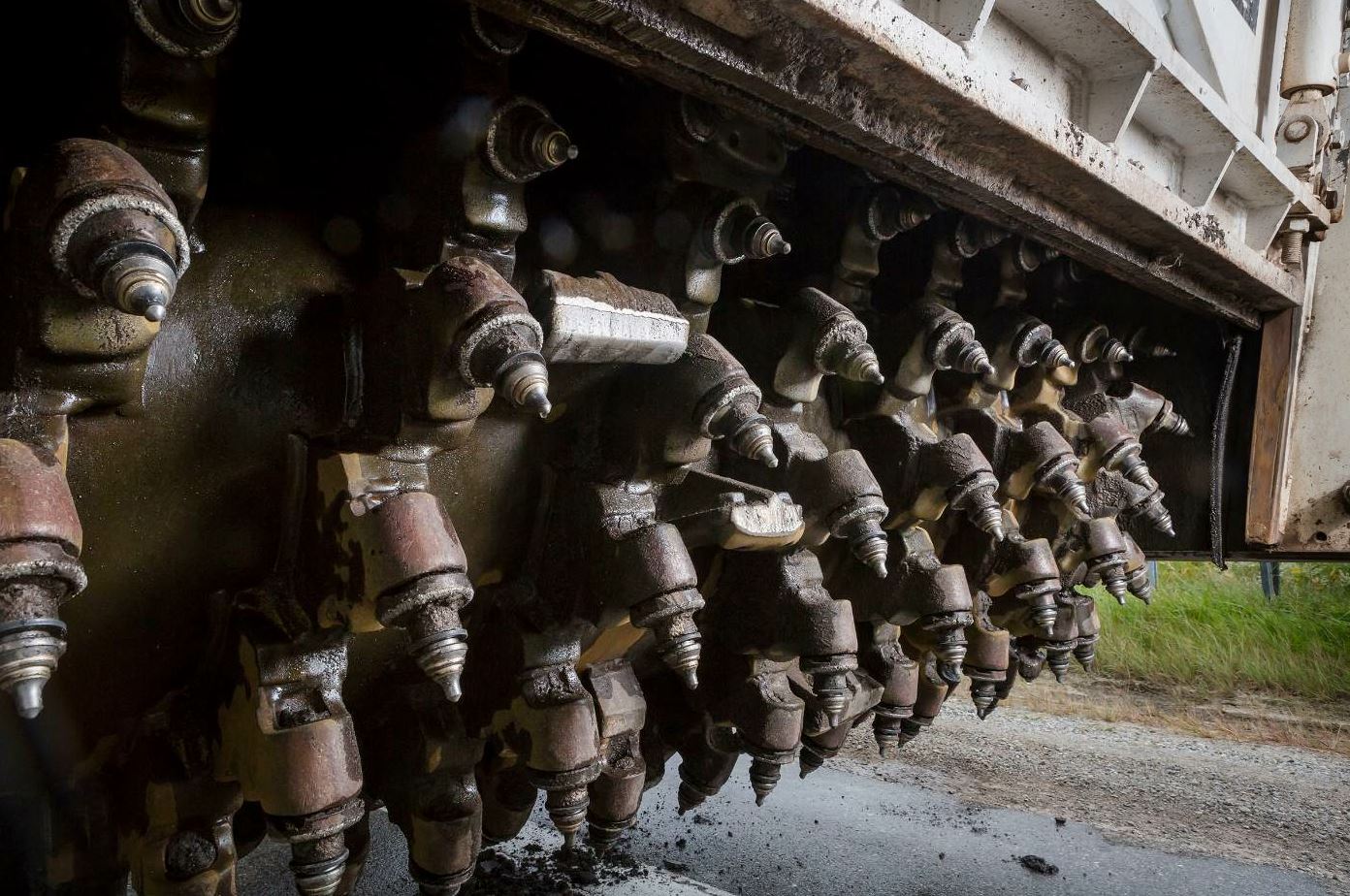
Polycrystalline diamond (PCD) teeth are mounted on conventional W 220i drum of Performance Equipment

“Our corporate campaign is ‘No Ugly Milling,’” Operations Manager Lauren Durham said. “It’s what we live by. We won’t go out there and perform just any job or any quality of work. That would be less than perfect. It’s our standard and we support it in meetings, with bumper stickers, and our social media.”

While most of its work is in south Texas, in fact Performance Equipment mills and stabilizes all over the Lone Star State. While Polycrystalline diamond (PCD) teeth are more expensive than conventional carbide-tip teeth, Performance Equipment uses the PCD cutting tools to enhance milling across the state.

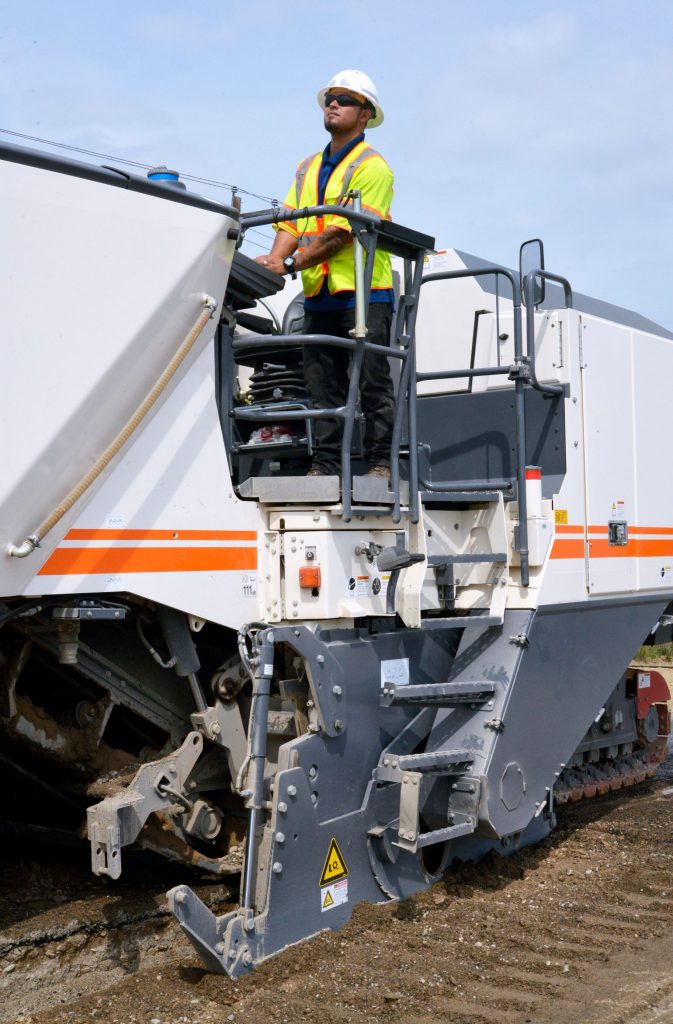
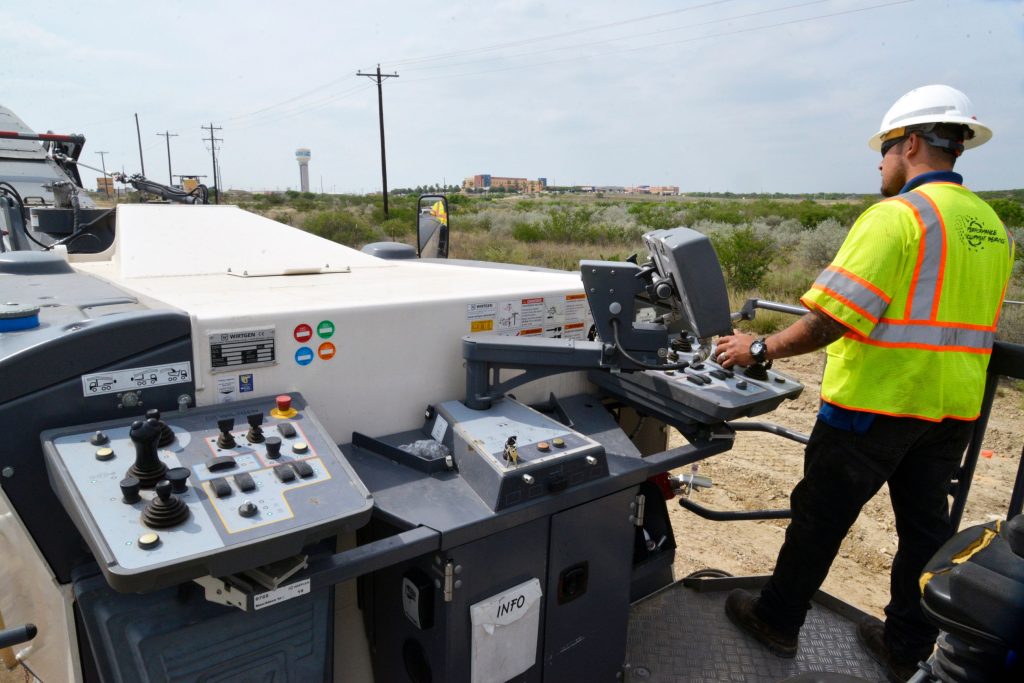
Foreman Juan Cortez at helm of Performance Equipment Service’s W 220i in Eagle Pass, Texas, in support of Reece Albert Construction

“Getting teeth that will keep performing is problematic, especially in Texas,” Kelly Durham said. “We have good roads in Texas, but materials are different from one end of the state to the other. We found out milling down in south Texas that the roads have a lot of river rock in them. It’s a very hard, very abrasive material that would wear the carbide teeth out sometimes in as little as 50 feet. We had to do something, which is why we went to the PCD teeth.”

When visiting Performance Equipment Service, three of their large mills were using PCD teeth, while the remainder of their fleet had carbide teeth mounted. “We are able to pick and choose where we send those diamond teeth,” Lauren Durham said.

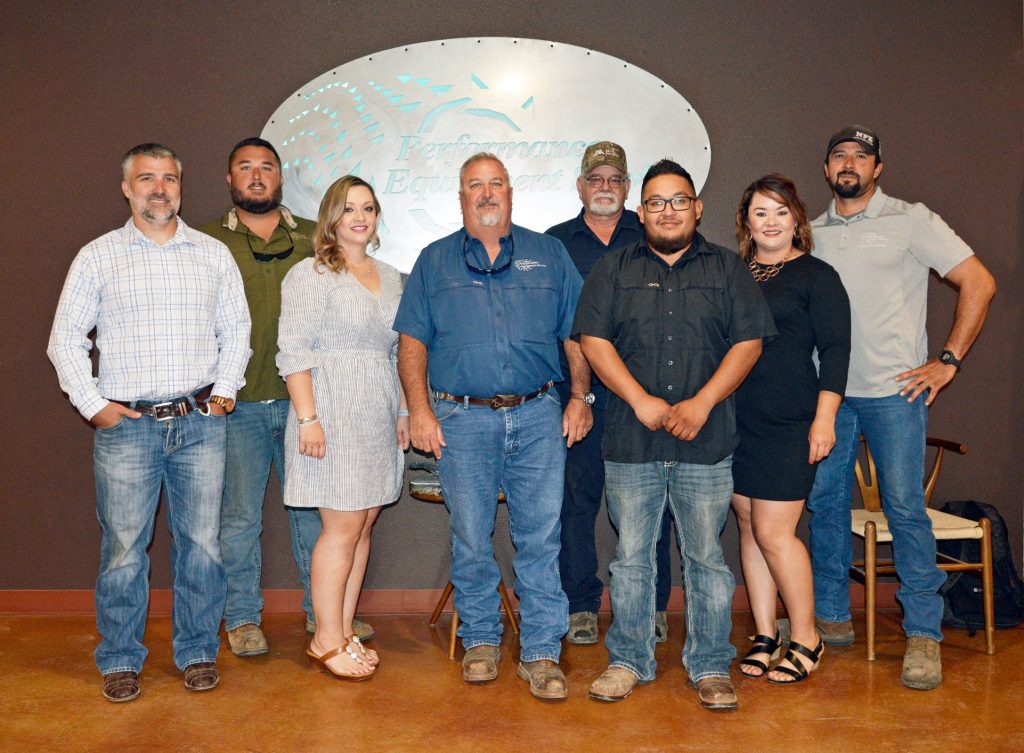
At Performance Equipment headquarters outside San Antonio are C.J. Carroll, CFO; Dustin Durham, chief estimator; Kendall Durham-Kersh, human resources manager; Kelly L. Durham, president; James Butcher, service manager; Eric Apolinar, IT manager; Lauren Durham, operations manager; and Justin Garcia, safety manager.

“The PCD teeth have really saved us a lot of wear and tear, especially down in areas such as Corpus Christi,” Kelly Durham said. “The roads are very hard down there, but on our first set of PCDs we ended up getting 273,000 tons. That’s a huge deal, especially when we were only getting 50 feet out of conventional teeth that first year.

“Then you have the time spent changing all those teeth…That down time is a big deal, so the diamond teeth have really helped us in that aspect. They are expensive, we understand that. We know the expense, but the savings off the backside are tremendous.”
“PCDs are not appropriate for cutting on concrete, nor for urban applications like San Antonio, with buried streetcar tracks and manhole covers,” Service Manager James Butcher said. “We also have slowed down the speed at which the operators lower the drum into the cut,” he said.

“Basically, we ease the drum and teeth into the cut. We understand that they have a place, we understand that downtown San Antonio where railroad tracks and cobblestones are, they can break,” Butcher added. “They won’t work everywhere. But we also know that in the right environment, they save us money, save us time, and make a huge difference to what we do on a day-to-day basis.”

Having options for teeth is one way Performance Equipment distinguishes itself from the competition.

“One thing that sets us apart is that we know PCD teeth won’t work in city streets, and places that we know there’s concrete,” Lauren Durham said. “Yet we are able to work on places like the tire test tracks, where few milling contractors in the area have the ability to be as specialized as us.”

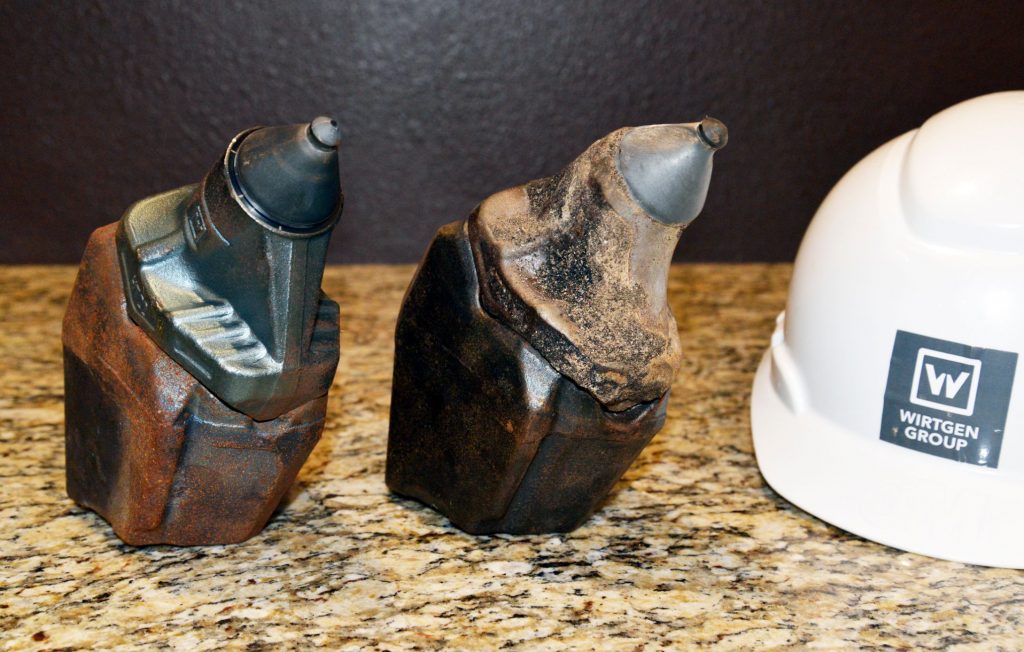
Here is a new PCD tooth (left), compared to same with 150,000 tons behind it. Polycrystalline diamond (PCD) cutting tools are a synthetically manufactured strong mass of carbon and carbide. A PCD tip is a crystalline diamond-coated carbide tip. This tip consists of differing layers: A concentrate of diamond particles in the upper layer; a series of interlayers; and a tungsten carbide substrate. Interlayers in the PCD bit dampen the impact stresses between the tungsten carbide substrate and the highly wear-resistant PCD contact surface. The interlayers subsequently enhance the durability and reliability of the PCD contact surface.

The numerous tire test tracks in Texas typically require specialized milling. “PCDs give us a perfect pattern every time,” Kelly Durham said. “And that’s an important deal for us. They’re going to have very critical milling specs, and fine milling or profile milling to cut to grade in which they can be confident they are placing 2 inches of asphalt down and they’re at grade.”

The firm expects to get 250,000 tons out of a set of teeth. “There are things in the roadway that won’t allow us to get that all the time,” Kelly Durham said. “It can be a new operator or haul truck driver setting the drum down on a metal trailer that breaks the teeth.

“The good news is when you put a set of diamonds in, they wear evenly,” he added. “The biggest wear we see is in the body wash on the sides of the teeth. They hold the same pattern throughout the life of the teeth, so it doesn’t kill us if we have to spot one or two teeth in then as we go through the life of the PCDs.

Foreman Juan Cortez at helm of Performance Equipment Service’s W 220i in Eagle Pass, Texas, in support of Reece Albert Construction

“The payback is substantial,” he added. “Long-term, we see a lot more tonnage come through the machine than we would if we were using regular carbide teeth, especially in the south Texas area,” Kelly Durham said. “It equates to cost savings in time, materials and labor hammering teeth. It also provides better results for happy customers, like the test tracks, who now call us all the time. They want us there because of the time, the teeth, the pattern, and the technically advanced operator skills that we bring to the table.”

For more information, contact Matt Graves at matt.graves@wirtgen-group.com or visit www.wirtgen-group.com/america.

Solve Poor Milling Patterns

To achieve a proper milled surface prior to opening a roadway to traffic, or prior to performing maintenance or preservation treatment(s), the milling machine operator must remain cognizant of tooth wear or damage.


Photo from Wikimedia Commons photographer famartin.

Photo from Wikimedia Commons photographer famartin.

If the pattern behind the milling machine is irregular, you could have a tooth—also called a tool or a bit, depending on what region you’re in—wearing incorrectly or even missing. Consultants agree that a veteran operator will be able to feel a change in the machine’s vibration when a tooth loses a tip or experiences some other problem, but new operators may have to rely on the power of observation to see a change in the pattern behind the mill to know when something’s going wrong.
“It’s not common for a tool to fail,” Aaron Scarfia said. He’s the sales manager of the construction tools Americas division for Sandvik Rock Tools—Cutting Division, Bristol, Virginia. What’s more likely is a tool will be broken if the machine encounters a manhole cover or other obstruction.

No matter how the damage happens, one tooth affects its entire row. “If you lose a tip, you’ll see a chain reaction,” Scarfia said. “The tooth behind the failed tooth will hit [the pavement] unevenly or roughly,” Scarfia explained. Not only will the operator feel this rough impact, he will be able to see it in the pattern behind the mill.

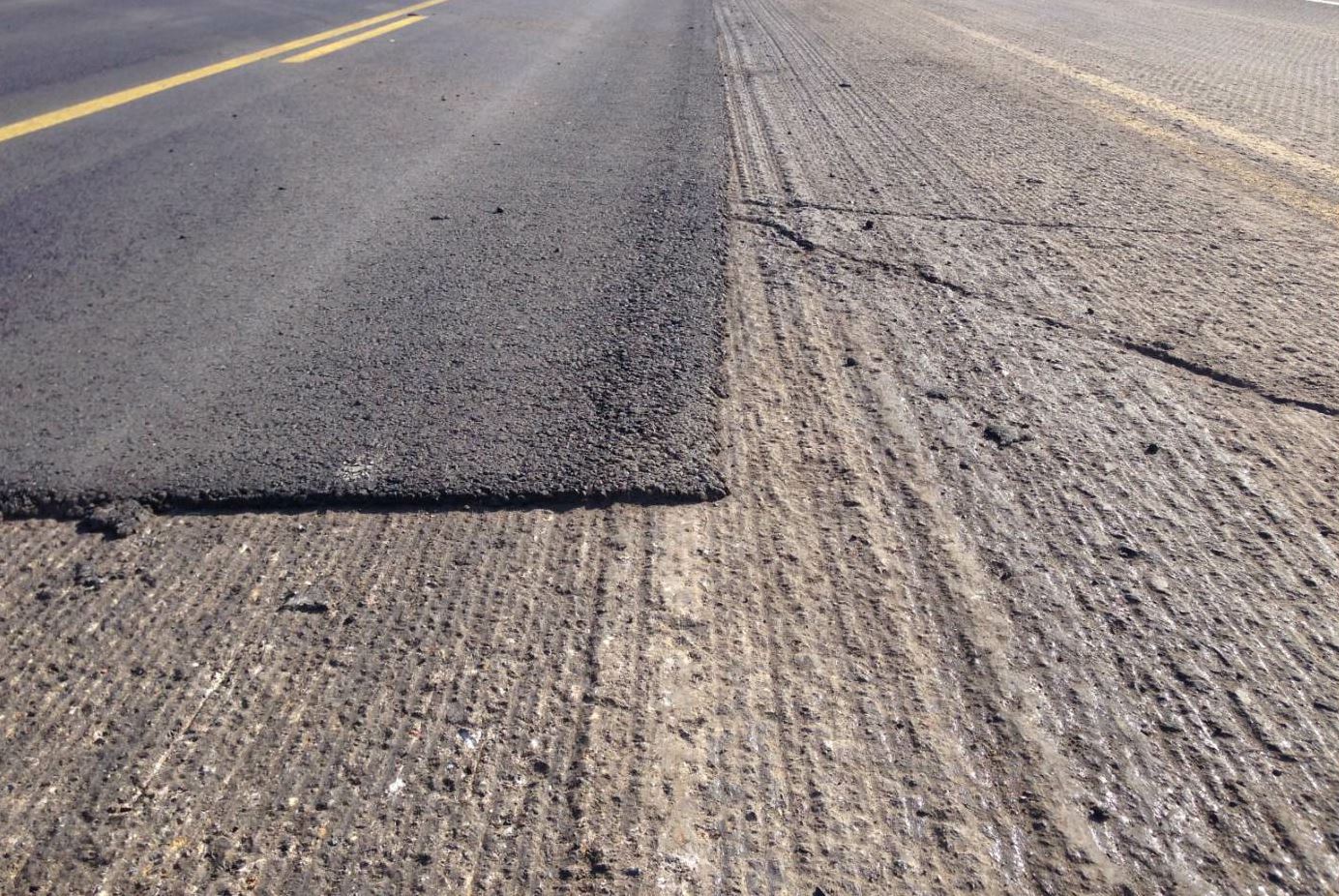
The photo at above shows uneven ridges, which indicates the milling contractor was using a drum with teeth that didn’t have the same gauge height.


Lower photos courtesy Sandvik Rock Tools.

Lower photos courtesy Sandvik Rock Tools.

Lower photos courtesy Sandvik Rock Tools.

Lower photos courtesy Sandvik Rock Tools.

Consultant John Ball, who is the proprietor of Top Quality Paving & Training, Manchester, New Hampshire, has preached the importance of the daily walk-around before a shift begins, and that comes into play here. If the milling machine operator performs a visual check of the equipment before the job begins, he’ll be able to see wear or a difference in gauge height between teeth on the cutting drum.

Scarfia explained that replacing the worn tooth will save the rest of the row from damage in addition to giving the machine its best chance to mill properly. The drum at left is in good condition.

Also check the water system. Both Scarfia and Ball spoke to the importance of the water spray for keeping teeth cooled and cleaned. “If the water doesn’t spray properly and you get one dry spot, you’ll get the same problem [of uneven tooth strikes],” Scarfia said.

During operation, be sure to lift the cutter drum when approaching utility caps and other structures in the pavement. Keep teeth from striking obstructions to keep them from damage.

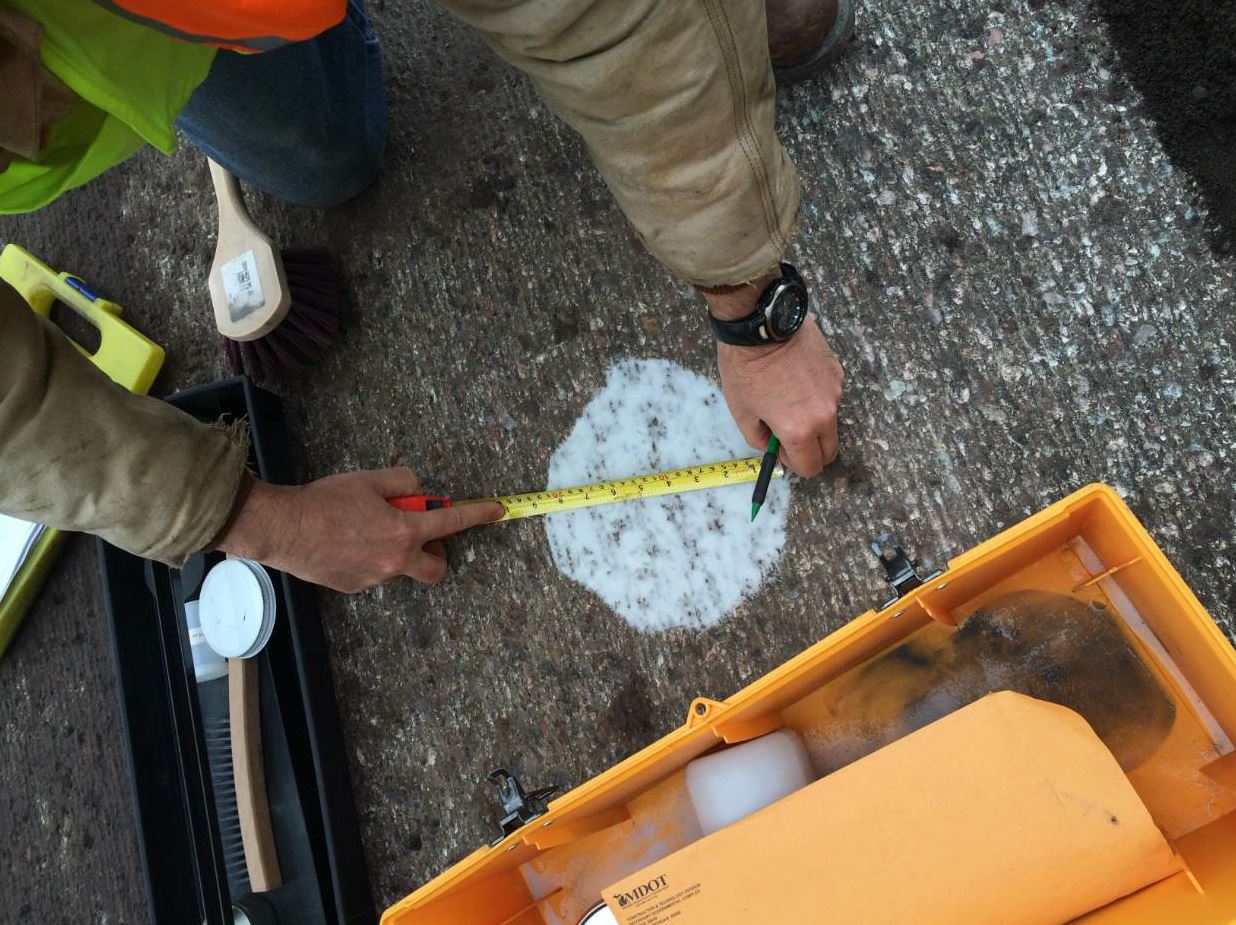
The photos above shows a state inspector performing a sand displacement test on a micro-mill pattern. The ridge height is uniform.

Diamond Products’ PC1504 Pavement Grinder & Groover

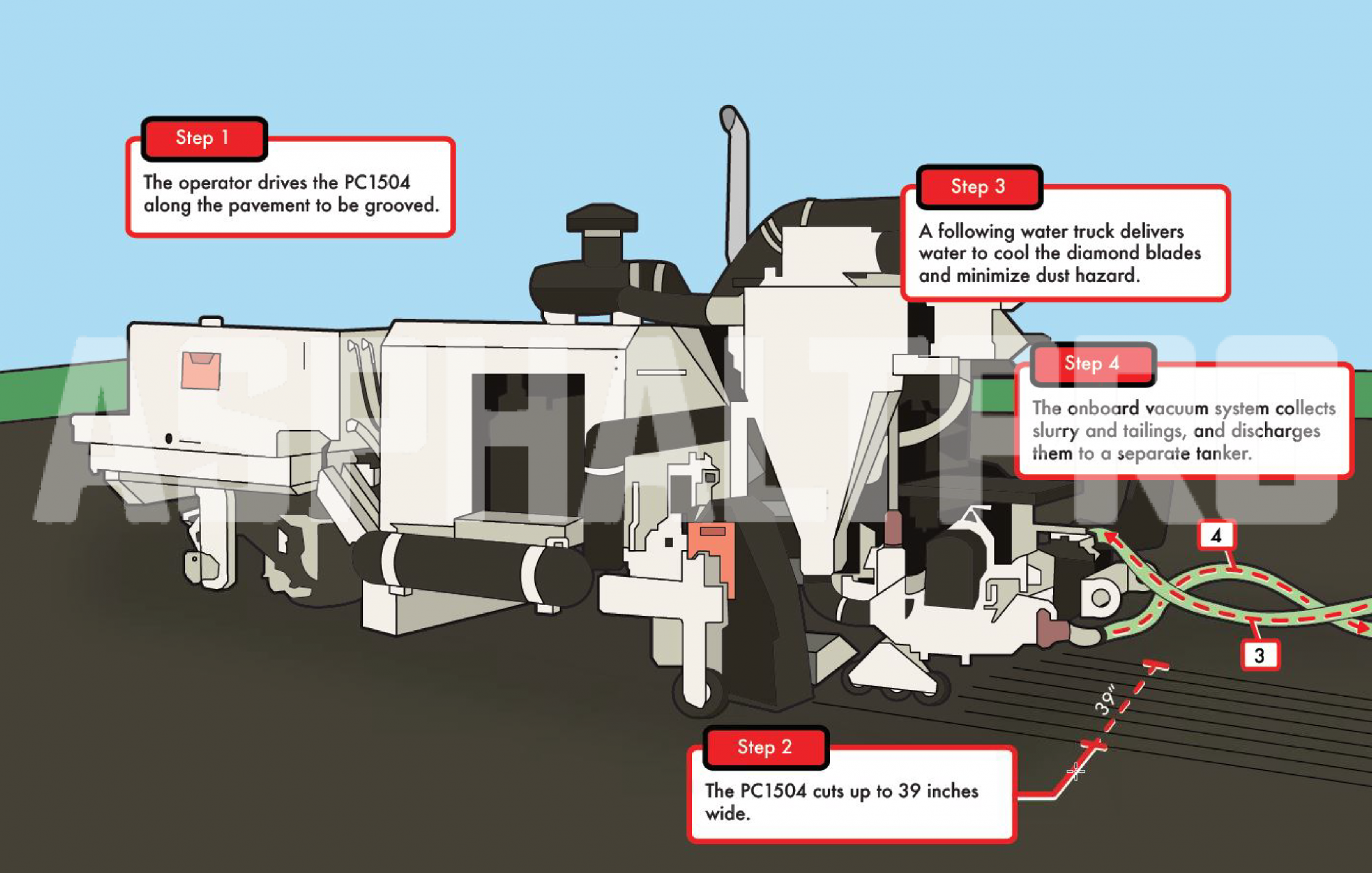
Grooving roads or airport taxiways requires precision work; the team at Diamond Products Ltd. Heavy Equipment Division, headquartered in Nampa, Idaho, built the PC1504 pavement grinder & groover to take care of that. Here’s how it works.

The PC1504 has an adjustable front bogey assembly which allows for an effective wheelbase of 9’ to 11’ from center of the cutting head to center of front bogey. The wheel base can be adjusted for various grinding or grooving applications.

The operator drives the diesel-powered PC1504 along the section of road to be grooved at a production rate of 0 to 30 feet per minute. Twelve-inch-diameter blades for grinding or grooving can be stacked up to a 39-inch cutting width. Depth control wheels for grinding are adjustable via hydraulically controlled screw jacks. Manually adjusted grooving depth control wheels are attached to the mainframe directly in line with the blade-shaft centerline for accurate groove depth control.

Power from the Caterpillar® 260-horsepower engine is transmitted through a manually operated PTO clutch to a right angle drive gearbox, which drives a single poly-chain GT carbon belt. The blade shaft turns at 1,400 to 1,900 revolutions per minute.

A water truck follows in close proximity, delivering cooling for the diamond blades while minimizing any dust hazards. The onboard vacuum system, with diaphragm slurry pump, collects the slurry and grinding tailings, and discharges them to a separate collection tanker or other collection resource.

The encoder unit incorporated into the ground drive control measures total daily footage ground and has a reset-able daily production odometer. Additionally, the encoder provides a feet-per-minute indicator for the operator.

For more information, contact Customer Service at (800) 321-5336 or visit http://www.diamondproducts.com.


Show us how it works

If you’re an original equipment manufacturer with a complex product, let us help you explain its inner workings to asphalt professionals. There’s no charge for this news department, but our editorial staff reserves the right to decide what equipment fits the parameters of a HHIW feature. Contact our editor at sandy@theasphaltpro.com.

C.E. Hughes Milling Inc. Mills Indiana

When Caroline Hughes was in grade school, she spent an entire summer sorting teeth.

“The guys would bring me buckets of teeth to see if we could recycle any,” Hughes said. “It’s such an expensive item, with 156 in a 7-foot, 2-inch standard space drum, anything you can do to save money, you do.”

Over the course of a few weeks, she had gone through hundreds of teeth and selected ones that might be reusable. She repainted them so the crew could distinguish used ones from brand new ones to see how they were wearing, and lined them up in a long row for inspection.

“Apparently, I was a little too eager to recycle, because the boss came out and told me we couldn’t use a bunch of them,” she said with a laugh.

Even when Hughes attended the College of Charleston in South Carolina, milling was never far away.

“I’d see the mills from Germany coming in at the port, and I’d see them out working along the highway all the way home to Indiana,” she remembered. Having grown up in the industry—her father was a part owner in a highway construction company—it was no surprise that she’s stayed in the industry.

“I love what I do,” she said. “I love the people. I love the equipment.” She started her career with another milling company in Indiana, but when there was nowhere for her to move up, she decided it was time to move out. In August 2012, she started C.E. Hughes Milling Inc., in Jeffersonville.

“I grew up around a lot of entrepreneurs, so when the opportunity arose, I decided now was the time to take my own risk,” Hughes said. And it is a risk that has paid off.

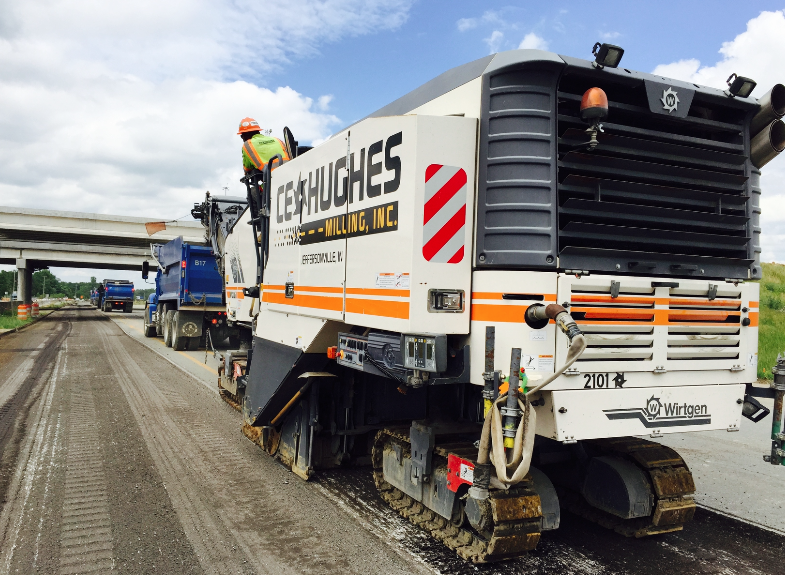
After starting with one mill less than four years ago, C.E. Hughes now has a crew of 15 running six mills in-season.

After starting with one mill less than four years ago, C.E. Hughes now has a crew of 15 running six mills in-season. All six machines are from Wirtgen. Caroline Hughes said, “It’s a good time to be in this business. There’s a whole lot of resurfacing work out there.”

After starting with one mill less than four years ago, her crew of 15 now runs six mills in-season and works on interstate and highway resurfacing jobs all over the state of Indiana and into Kentucky. She expects the 2016 season to be even busier.

“It’s a good time to be in this business,” she said. “There’s a whole lot of resurfacing work out there.” As Indiana continues to focus on preservation and maintenance of its current infrastructure, Hughes sees an even brighter future.

As one of only a handful of companies in Indiana that are exclusively milling companies, Hughes saw a window of opportunity to focus solely on milling.

“I wanted to pick one thing and be exceptionally good at it,” she said. “The biggest part of this industry is caring about the quality of work you put out. I want to be here in 15 years in business, so I’m going to do what I have to do.”

Get Going

When Hughes had just started the company, all she did was work.

“The only thing I went home for was to sleep,” she said. “There was just a trail from my front door to the bed, because that’s all I did.” She remembers all of the stresses of getting started—financing, ensuring cash flow, finding great employees, all the paperwork.

“Financing was by far the biggest stressor,” Hughes said. “Getting banks to take a chance on me so I could finance the things I needed to get started wasn’t easy.”

To get those first few jobs, she relied on relationships that had been established in the industry, but also took a grassroots approach.

“I took a class for entrepreneurs put on by INDOT and there was a sign sitting right in front of my chair that said, ‘You have to ask for work!’” Hughes said. “I really took that to heart and my operations manager, Charles [Becht] and I hopped in the truck and drove around to contractors’ offices asking for work. I will never forget that and I am beyond grateful for everyone that gave us a chance—especially those who took a chance out the gate.”

Since then, she’s been able to hire other office staff to help.

“Even though I’m working less, it’s always with you as a business owner,” she said. “I care about the people I employ and I have to think of them. I have to know we have enough work to support their jobs so they can support their families.

“I know I’m at the forefront of my company, so anything that goes unfavorably, I’m the one who has to deal with it,” she said. “It’s my name on the side of the machines. I’m the one standing up for all 18 people that work with me.”

In addition to finding qualified workers, Hughes has also focused on finding people that have the same values as she does. “They have to want to see the company grow as much as I do and be willing to work hard to represent the company well. That’s what I try to convey every time I talk to the guys working for me, that the way they present themselves represents our entire company.”

For example, she said her operations manager, Charles Becht, goes above and beyond to represent the company positively. Hughes said that each and every one of her employees has the same “whatever it takes” mindset; if they didn’t, they wouldn’t fit in at C.E. Hughes. “As the newbie in the industry, we have to keep that in mind.”

She also tries to encourage personal accountability. As the company continues to grow, there will be plenty of opportunities to move up. For example, water truck drivers from the company’s first couple of years moved up to become operators and are now training to become supervisors.

“I try to provide as many resources, tools and training as I can,” Hughes said. “The rest is up to them.” That includes creating an environment that encourages questions. “I try to make our new people feel comfortable enough to ask our experienced people any question, no matter how stupid they may feel it is.

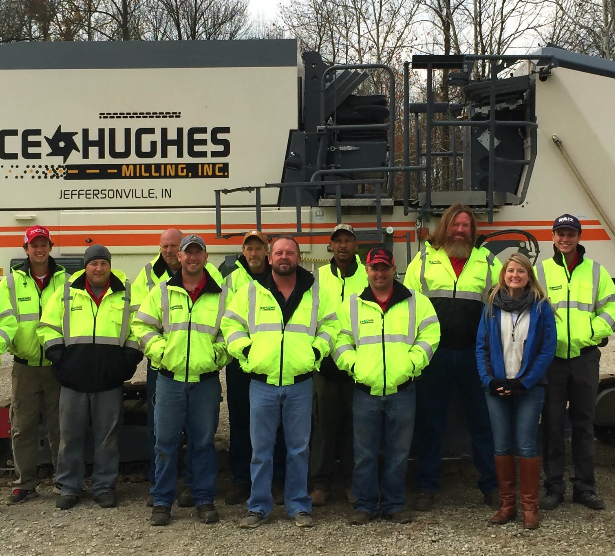
From left: Taylor W., Tim R., Pat R., Derek S., Duane Y., Charles B., Rick P., Tony M., Joe H., Caroline H. and Alec W. Not pictured: Jason Naegele

From left: Taylor W., Tim R., Pat R., Derek S., Duane Y., Charles B., Rick P., Tony M., Joe H., Caroline H. and Alec W. Not pictured: Jason Naegele

“I give everyone a certain amount of time to express that personal accountability, and if they don’t, I don’t keep them around. I believe in the whole, ‘Hire slow, fire fast,’ idea.” The key, Hughes said, is explaining expectations and giving people room to deliver, and reward them if they do. “To do that, you have to learn what people are motivated by. Some people want money, some people want affirmation,” she said.

One last key to the company’s growth is cross training. “On our crews, we usually have a 7-foot machine with two operators and a water truck and driver who can also run the machine, if he needs to.”

C.E. Hughes’ six milling machines are all Wirtgen machines: four 7-foot mills and two 4-foot mills. “Our people in the field are demanding this type of equipment,” Hughes said. “Having high-quality equipment will help you attract high-quality operators, too.”

See the Future

“I see a lot of promise in the next couple of years for us, with the highway bill,” Hughes said. “I feel a whole lot better than when I first started.”

Hughes is also doing her part to teach young people about the opportunities available in road construction. “Our industry is made up of a lot of people who will be reaching retirement soon, and we have to do our part,” she said. Hughes is an ambassador for the Indiana Construction Roundtable Foundation’s Build Your Future Indiana campaign, which sends people like her into high schools around the state to encourage young people to join the industry.

“There are so many benefits,” she said. “It’s such a stable job and a great industry to grow into.” Her own company is a perfect example.

“I love pulling into the office and not seeing any equipment because then you know it’s out there being put to work,” she said. “I love my equipment, but I don’t like to see it.”

How to Remove Concrete Most Efficiently

Let’s face it, concrete will crack and fail. Martin Applebaum, a general manager at Driveway Maintenance Inc., headquartered in Miami, presented at a property management companies meeting one evening in Southwest Florida, explaining to those attending that concrete is going to fail. “The purpose of the welded wire mesh is to hold the concrete when it cracks,” he told us. Applebaum even proclaimed the purpose of the joints in concrete sidewalks and pavements is to interrupt the cracking. “The reason that you cut joints in concrete pavements is because it wants to crack,” he said. “The joints are structural designs. It’s a control joint….You get corner breaks because joints are the weakest point of the concrete pavement.”

Once the concrete sidewalk or parking lot starts to crack, the property owner has a safety hazard and/or vehicle maintenance nightmare on his hands. Then your client needs it fixed. Depending on the application, you may find rebar within a slab. You may need to scarify a mere half-inch along a roadway to prepare the surface for tack and blacktopping, or you may need to break out failed Portland concrete cement (PCC) all the way to the dirt.
When milling concrete, best practices dictate ample use of water for cooling teeth and improving the working environment for workers.

When milling concrete, best practices dictate ample use of water for cooling teeth and improving the working environment for workers.

Whatever your call to duty, consultant John Ball reminds you to start with a plan before you cut. He’s the proprietor of Top Quality Paving and Training, Manchester, New Hampshire, and he said the first step to removing concrete is calling Dig Safe. Even though you’re not technically digging holes, you need to know what’s under the pavement.

For example, the local news was on the scene when a simple mill and fill job on Kapahulu Avenue in Honolulu in June of 2015 turned catastrophic. The milling machine ruptured a gas line that lay about 8 inches below the pavement instead of the required 3 feet. The result was an explosion, a long-burning fire, two injured workers and thousands upon thousands of dollars of damage.

For city projects, the utility company may not be able to offer you a precise depth of pipes, cables or lines, but the demarcation service is intended to increase worker safety. Ball said to consider also the damage a drop hammer or cutting saw could do to fiber optic cable, which costs about $80,000 per foot to replace. I’m no bean-counter, but I can tell you destroying that kind of utility would eat into the project’s profit margin. Take the time to get utilities marked before you crack and dig up concrete slabs, for safety’s sake.
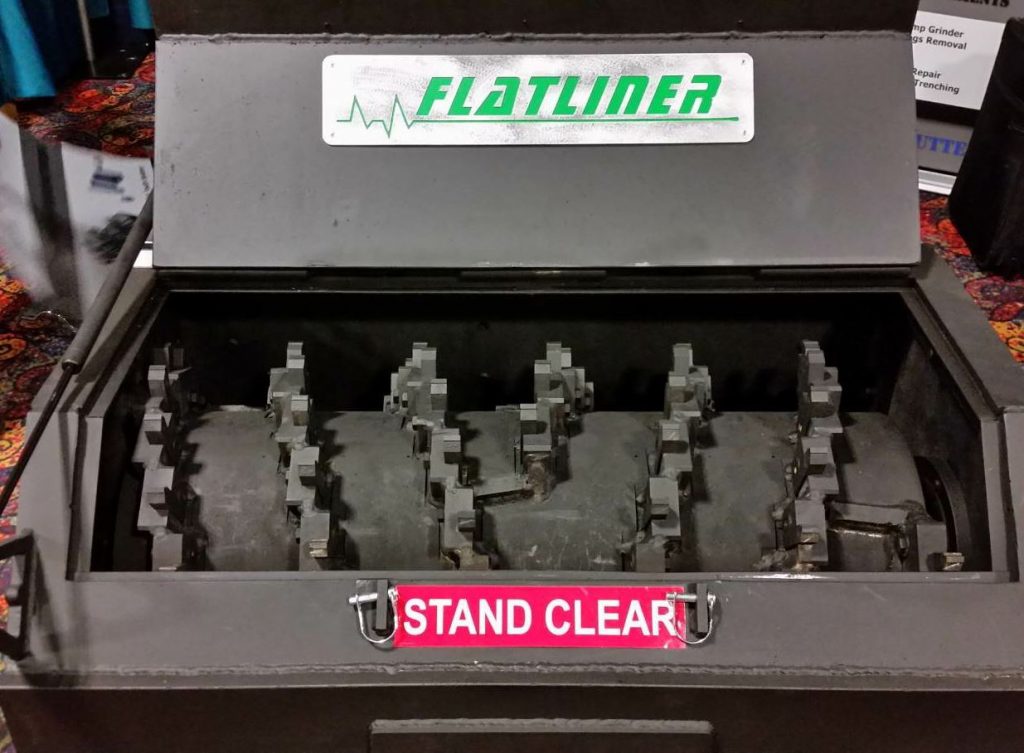
The folks at Keystone Engineering suggest the Flatliner pavement smoothing attachment be used to level out irregularities in concrete. It’s supposed to be used for maintenance work and grinding of bumps to improve ride quality, but can also be used like a scarifier to remove pavement markings or coatings. The teeth, as you can see in the images, are squared off rather than conical; they shave the pavement’s surface rather than impacting it, according to the manufacturer. For more information about the Flatliner, visit keystonecutter.com or call (317) 271-6192. Let them know you saw it in PavingPro magazine. Photos courtesy Sandy Lender.

The folks at Keystone Engineering suggest the Flatliner pavement smoothing attachment be used to level out irregularities in concrete. It’s supposed to be used for maintenance work and grinding of bumps to improve ride quality, but can also be used like a scarifier to remove pavement markings or coatings. The teeth, as you can see in the images, are squared off rather than conical; they shave the pavement’s surface rather than impacting it, according to the manufacturer. For more information about the Flatliner, visit keystonecutter.com or call (317) 271-6192. Let them know you saw it in PavingPro magazine. Photos courtesy Sandy Lender.


Assess the project in front of you, and the utilities in its immediate vicinity, to select the right removal technique and equipment. Know what the machines in your fleet are capable of—and what their limitations are.

For example, if you get the job to remove and replace a 200-square-foot loading zone that comprises 6 inches of concrete throughout, you’ll be hard-pressed to retain your laborers or make any kind of profit by going at the slab with a hand-held cut-off machine and a loader bucket to pick up pieces. Consider the customer’s reaction when you can’t get his loading zone back in readiness because you’re messing around with saws and diamond blade replacement for a few days behind his store. Sure, he should have used asphalt to begin with, but that’s another discussion altogether. Your concern is how to get rid of concrete most efficiently so you can turn a profit and make the customer happy enough to recommend you to others and call on you for future work.

Here are some of the best ways to break, mill and/or remove concrete. You can discuss these options with a project engineer/manager in your company to scope out the best way to face your next perplexing slab of gray matter.
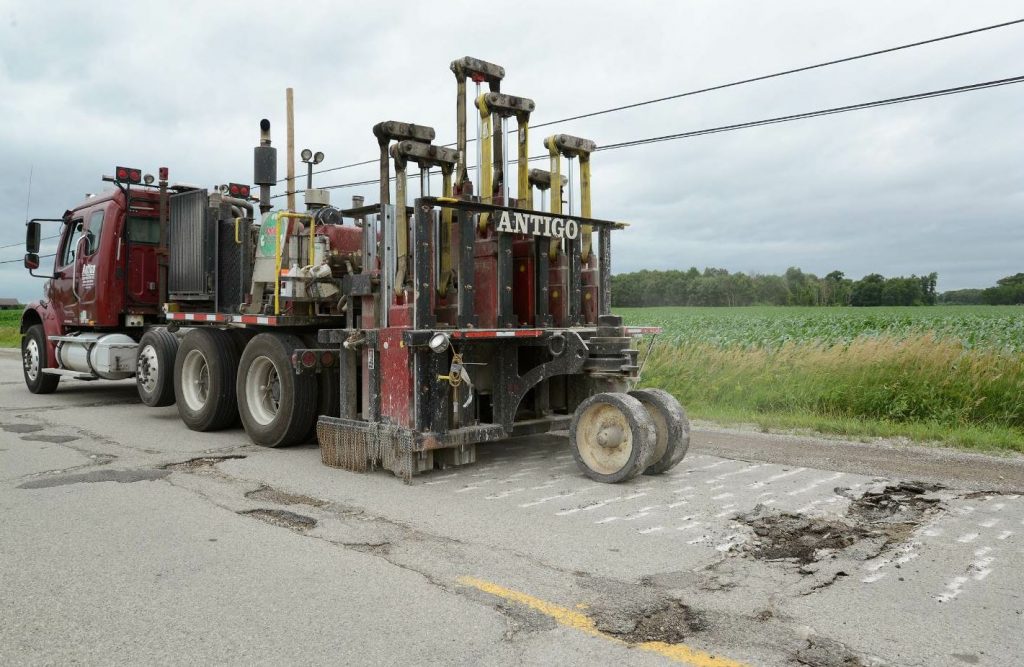
The guillotine breaker from Antigo drops multiple hammers onto the surface.

Mill It

While it’s not ideal, it is possible to mill concrete pavements to prepare the surface for asphalt overlays. Kyle Hammon at Roadtec Inc., Chattanooga, explained that this milling of concrete is typically performed to remove surface flaws. “Most of the time, concrete is milled at a shallow depth of a couple inches,” Hammon said. “It’s just to scar the surface and take a thin layer off the top to get a better bond of the surface with the thin asphalt to follow. The tack coat always performs better on a finely milled surface.”

Not every tooth—or bit—on the market is going to be ideal for chewing concrete. Of the 30 cutting teeth the company offers, Kennametal suggests only its RoadRazor II™ RZ4-01, RZ1-PT7, RZ1-PT and RZ3-PT for concrete milling. Depending on the application, Wirtgen recommends its Rhino W1-10-G/20X or W1-13-G/20X cylindrical carbide tip cutting teeth for concrete milling. Wirtgen’s Ken Snover shared that the W6M/20X can also be used in some concrete applications. Consultant Ball has seen the use of the diamond teeth over the years to get the kind of life out of bits that concrete demands.

“Carbide bits will increase the wear life,” Hammon said, “but concrete is so hard on the machine. It accelerates wear on the drum and the machine itself.”


What you’re looking at when selecting a tooth for concrete milling is a hardness based on the Rockwell scale. The folks at KutRite Manufacturing explain it simply: “The Rockwell scale is based on the indentation hardness of a material.” The harder the material is without becoming brittle—or the “more optimally” it scores on the Rockwell scale—the better its longevity during heavy-duty use.

No matter which bit your crew uses, the silica dust produced by milling a concrete pavement is not to be ignored. “It definitely generates more dust and fine particles than milling asphalt,” Hammon said. “Have the water truck nearby. Have masks on the crew.”

Once the milling is complete, be sure to clean the surface completely, as you would with an asphalt pavement. Get fine millings up as best as you can to make a clean surface for the tack to coat and the asphalt lift to adhere to.
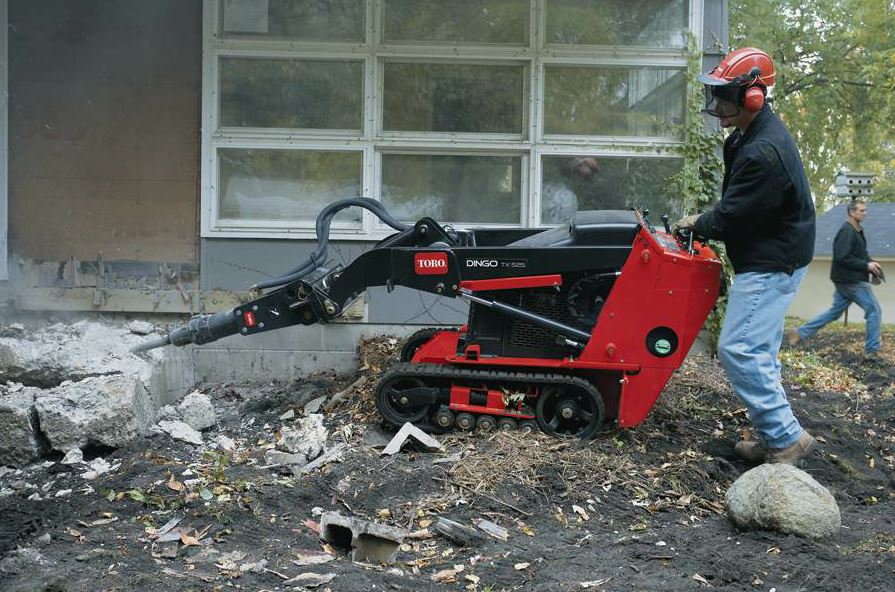
The Toro Dingo multi-position mounting head allows the operator to break in horizontal and vertical positions. The standard, conical tool bit breaks down to a 10-inch depth, according to the manufacturer. There are other bits available such as line, chisel, moil, etc. Photo courtesy Chicago Pneumatic.

The Toro Dingo multi-position mounting head allows the operator to break in horizontal and vertical positions. The standard, conical tool bit breaks down to a 10-inch depth, according to the manufacturer. There are other bits available such as line, chisel, moil, etc. Photo courtesy Chicago Pneumatic.

Scarify It

Scarifying is not milling. When scarifying a surface, you merely scrub—or scar—the surface layer as if grating the top peel of an onion. This process is often used to remove thermoplastic, epoxy, cold plastic coatings or other markings, or to roughen the surface for a treatment to follow. Check out the pictures of the Flatliner from Keystone Engineering for an example of one such tool that is used as an attachment to scarify concrete surfaces.

Rubblize It

Resonant rubblizing impacts the concrete surface for the purpose of breaking it. The resonant hammer(s) hit the pavement from a low amplitude at high frequency to cause the fracturing of the concrete slab without breaking all the way into the base. With some rubblizing machines, the hammers fall from a higher point, slamming the pavement with more force. Check out the two main types of resonant breaking machines in the pictures on page xx. Once the slab is fractured, its interlocking “rubble” forms the matrix of support for the overlay to come. Let’s see that in practice in the next section, the crack and seat method.
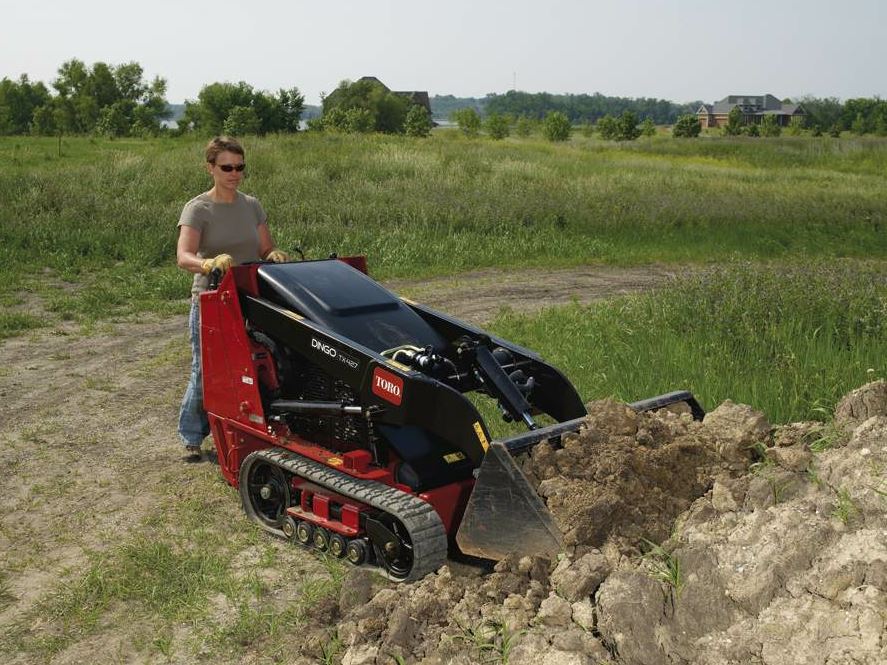
Once you have concrete (or landscaping bits) broken up, the skid steer operator can quickly switch out the hydraulic breaker for a bucket to remove the rubble from the project. Photo courtesy Chicago Pneumatic.

Once you have concrete (or landscaping bits) broken up, the skid steer operator can quickly switch out the hydraulic breaker for a bucket to remove the rubble from the project. Photo courtesy Chicago Pneumatic.

Crack and Seat It

As Darwin Larson detailed in the winter 2016 edition of the Iowa Asphalt Report, the City of Norwalk, Iowa, has adopted the use of crack and seat followed by hot-mix asphalt (HMA) overlay to lessen the cost of replacing all the PCC panels from the 1960 to 1990 time period that are now failing. Larson is a professional engineer and an Asphalt Pavement Association of Iowa (APAI) municipal field engineer who reported on the 4,000-foot-long project of Wakonda Drive from Hwy. 28 to Lakewood Drive specifically. For that job, a specialized concrete breaker fractured the existing PCC roadway into 18-inch to 36-inch panels and pieces. Next, the team drove a heavy roller over the cracked pavement to “seat” the jigsaw puzzle. Larson wrote in the Iowa Asphalt Report, “The primary purpose of this process is to reduce the amount and severity of the reflective cracking thus prolonging the life of the new HMA overlay.”

After the crack and seat process, the crew placed 8 inches of HMA, which solves the City of Norwalk’s infrastructure woes.

Hydrocut It

Companies sell or rent new and refurbished ultra high pressure water pump systems that have the force to cut through concrete while leaving the rebar within intact. The pieces of equipment—and the services—that Blasters Inc. offers are designed for industrial cleaning, concrete hydro demolition, surface preparation for repair and rehab, highway paint stripe removal, coatings removal and more. While the company was hesitant to share images in a print publication, you can check out their machines in action on their website at www.blasters.net/hydrodemolition.asp.html. Other companies that provide such technology include Hydro-Technologies Inc., Jefferson, Indiana; Midwest Mobile Waterjet, St. Paul, Minnesota; and NLB Corp., Signal Hill, California.
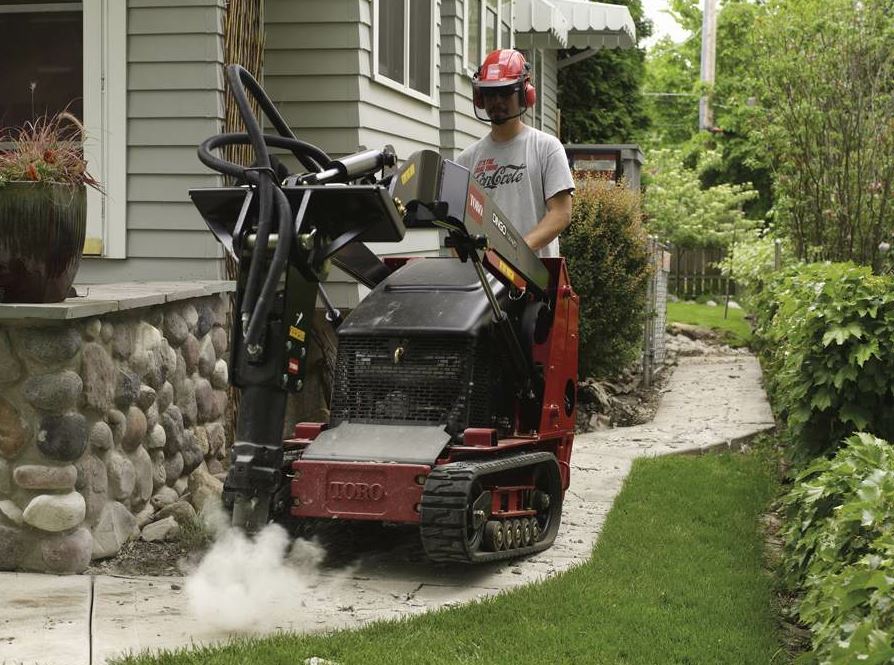
No matter which tool your crew uses, best practices require a mask to keep workers from breathing dust and debris. Photo courtesy Chicago Pneumatic.

No matter which tool your crew uses, best practices require a mask to keep workers from breathing dust and debris. Photo courtesy Chicago Pneumatic.

Saw Cut It

To this point, the methods of breaking concrete that we’ve discussed have been appropriate for roadway applications. Let’s say you have a parking lot, homeowner’s driveway, city sidewalk or other small area with failed concrete to address. You aren’t going to take a large machine with a resonant hammer between its tires to a quiet neighborhood and start pounding the ground just because the homeowner chose to use a substandard paving product. Instead, you may elect to cut out the area of concern with a cut-off machine.

Before you turn the crew loose on the job, think about safety. At the very least, cut-off machines should have a guard to protect the worker from the blade. Managers should be sure workers wear appropriate gloves, face masks, eye protection and other personal protective equipment.

Stihl now offers a machine with electronic water control for wet-cutting to reduce the dust generated near the worker. The STIHL TS 420 A (EWC) is designed to use up to 50 percent less water than conventional systems; it meters the water supply for dust suppression during operation, etc. You can even ease the strain on workers’ backs by affixing cut-off machines to walk-behind carts. Stihl provides the Cutquik® cart that’s designed to “fit” the TS 400, TS 410, TS 420, TS 700 and TS 800 machines. It offers a forward-weight orientation so the saw is positioned for work and the operator is standing behind the machine, out of harm’s way.

Break It with a Tool

After watching laborers work day in and day out in blistering heat with diamond blade cut-off machines, I can attest to the fact there are many times when the crew would be better off using either a handheld hydraulic breaker or a breaker attachment on the front of a skid steer to remove concrete slabs. There are a multitude of both on the market to choose from and manufacturers have been hard at work making them more user-friendly.

For example, the interiors of Caterpillar handheld breakers feature a tri-suspension system (on their “silenced” models) that comprises the suspension jacket, the upper buffers and the lower buffers. Having buffers at both ends of the power cell in there absorbs reflective forces. This isolates the forces from the machine, which reduces operator fatigue. The two-piece suspension jacket isolates the front head, which is how sound and vibration are reduced.

Stanley Hydraulic Tools, Milwaukee, Oregon, offers a variety of mounted breakers, including the MB05. Its skid steer bracket has four positions so you can break pavement slabs or angle it up to break a landscape feature/wall. This type of multi-position option mounting head is available with the Toro Dingo 23135 hydraulic breaker, too. It offers 180 foot-pounds of force while delivering 1,250 blows per minute.

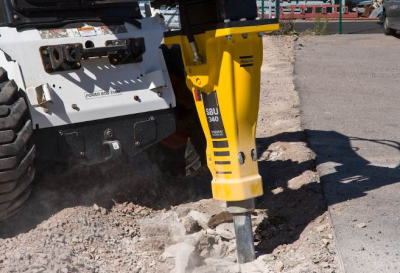
Rich Elliott, the product manager for hydraulic attachments with Atlas Copco Construction Equipment, Commerce City, Colorado, discussed the weight demands of the tools. “For commercial-sized pavement applications, the most popular breaker attachments might be our SBU 220 and SBU 340 solid-body models,” Elliott said. “Both breakers are relatively lightweight, compact and pair well with skid steers and mini-excavators—common pieces of equipment for this sized application—because they fit a wide range of carrier weight classes….the SBU 220 and SBU 340 offer a streamlined profile, making them easy to maneuver close to obstacles.”

Keep It Clean

No matter what method your crew needs to use for the application of the day, it’s important to keep the job clean. Not only do crew members need to have their best working environment for their safety and comfort, they also need to have the project itself under control at all times. Ball reminds readers that having a clean surface will help you start and make better transitions when it comes time to pave, if that’s part of the project. The clean surface helps with adhesion of tack, patch material, sealers and pavement lifts. The clean site and surface also speaks well of your company. The traveling and shopping public sees your crew and your job. Make sure the general public sees a clean, safe, efficient crew doing a good job of removing and repairing the failed pavement.

Wirtgen’s Vacuum Cutting System

Mar

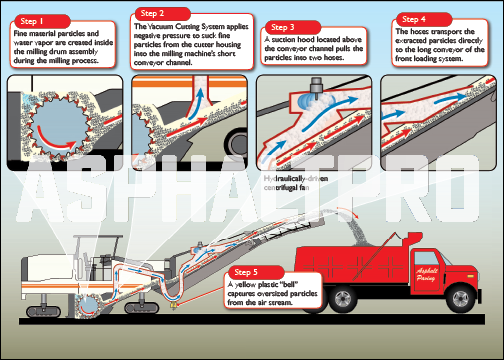
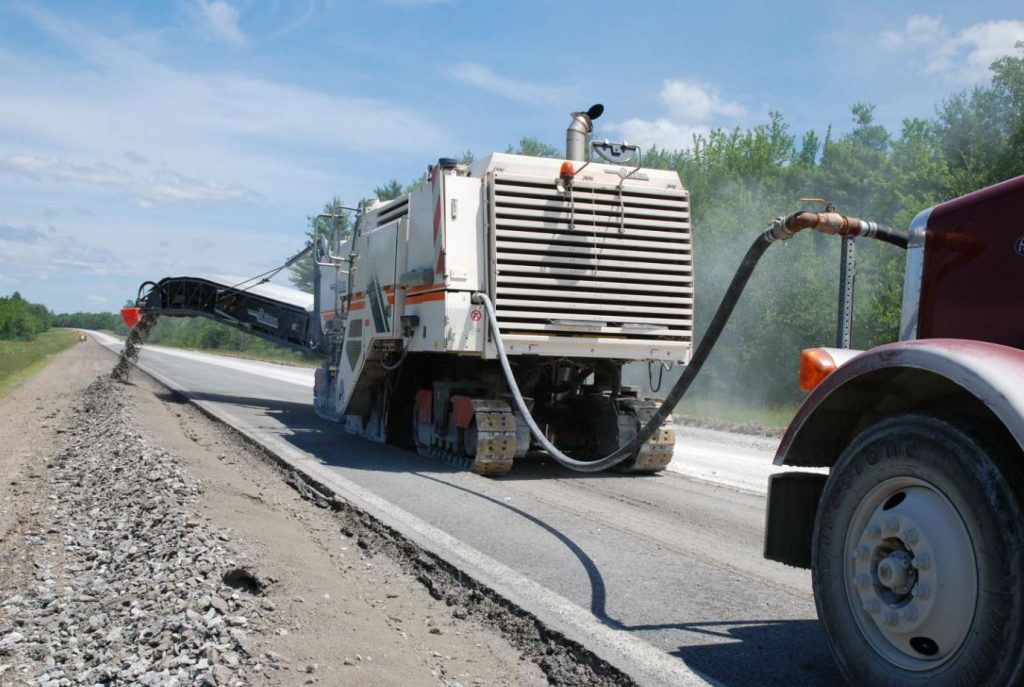
Wirtgen GmbH introduced its Vacuum Cutting System (VCS) for use in front-loading road milling machines to suppress airborne material particles, which are produced by the milling process. All Wirtgen’s larger cold mills can be fitted with the CVS to extract fine material particles at the cutter drum. By creating a negative pressure in the drum housing, the mix of air and water vapor Is evacuated and then fed back into the flow of the milled material transported on the conveyor via a hose system. Here’s how it works.

First, fine material particles and water vapor are created inside the milling drum assembly during the milling process. VCS begins by applying negative pressure to suck these fine particles into the milling machine’s short conveyor channel. Additional sealing of the milling drum assembly supports this process.

A suction hood located above the conveyor channel sucks the particles into two hoses, which transport the extracted material particles directly to the long conveyor of the loading system. Again, the process is supported by sealings in the short conveyor channel and at the suction hood.

A hydraulically driven centrifugal fan installed on the conveyor makes sure the extracted material is fed into the long conveyor channel. Negative pressure is created in the milling drum assembly at the same time. Additional injection of water at this point binds most of the particles. The water-bound particles are finally returned into the stream of material and are, for the most part, fed into the truck together with the milled material during the loading process.

Better air quality and visibility in the working environment of the milling machine operator and ground crew members improves crew comfort and productivity, while reducing wear and tear on the machine.

For more information, contact Wirtgen America at (615) 501-0600 or visit www.wirtgenamerica.com.