How to Keep Production “Up” While Crushing Recycle

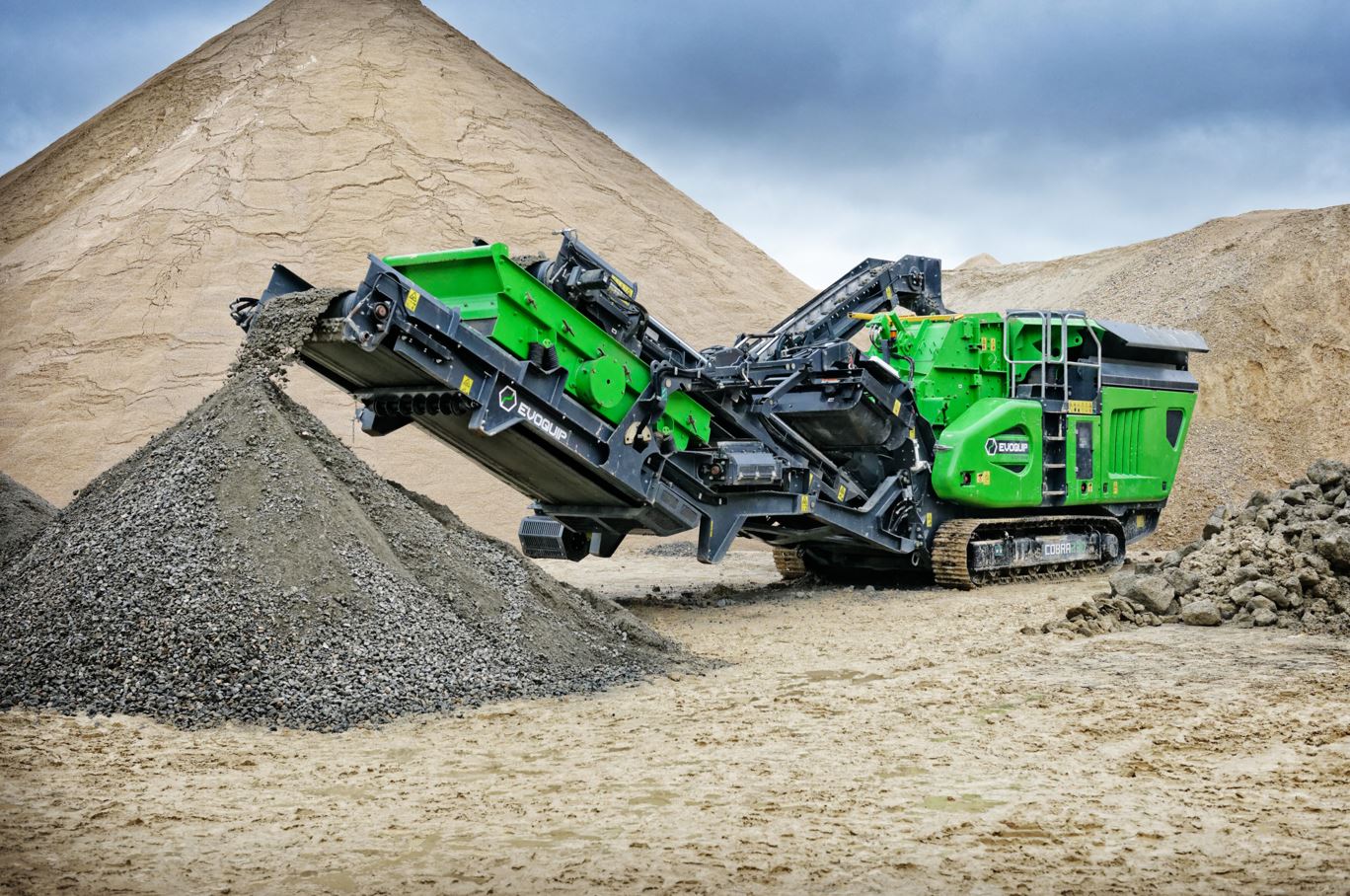
To continue this month’s production theme, let’s take a look at running recycle at the plant. Specifically, look at the millings and chunks of reclaimed asphalt pavement (RAP) going through the crusher. The first step to consider here is pre-screening material to get the fines out of the way. This not only reduces wear on components, but it also reduces the fines gumming up your crusher’s radiator.

While summer’s heat is still a factor, make sure you’re watching out for asphalt cement (AC) caking to the radiator. While it’s imperative that you clean the equipment at the end of the shift, you may want to do a quick cleaning of the radiator mid-shift, during a lunch break, or what have you.

Don’t let a preventable mess cause downtime when crushing and screening RAP.

Do you have a foreman or plant manager who needs to see this tip? Feel free to forward it along!


Subscribe now to receive tips like this to your inbox each week. 

Product Gallery: Volvo CE’s L110H and L120H Mid-Size Wheel Loaders

The L110H and L120H mid-size wheel loaders have become mainstays in the Volvo Construction Equipment lineup over the past decade thanks to their compatibility with a range of attachments and their productivity levels, ease of maintenance and superior operator comfort, according to the manufacturer. Now, these two machines have been given a comprehensive makeover that focuses on increased uptime and convenience for both operators and technicians, starting with a new Volvo D8M 8-liter engine that offers 256 hp on the L110H and 272 hp on the L120H. The D8M engine automatically regenerates while working—a technology that’s been proven on the company’s larger wheel loaders.

For more information, visit your local Volvo dealer.

Three Strategies to Check the Materials Before Loading the Crusher

To crush or not to crush? Some material should not be put through the crusher, unless you want to spend a whole lot of time digging it out and/or repairing your machine.

That’s why it is so important to check materials before loading them into the crusher. The way Ron Garofalo, president of DAG On-Site Crushing in New Jersey, handles this is by training operators to maximize the number of opportunities they have to check the material. “The first point is your ground man, and he’s looking all the time,” Garofalo said. “The second is the excavator operator is pushing that pile out [to see what’s in it] and scooping up that same pile each time.”

The third is by loading the back of the feeder for more time to see if anything undesirable is headed into the crusher so you can stop the feeder and remove it. “If you go to feed undesirable material into the crusher, you’re going to be inside the chamber getting it out,” Garofalo said.

DJ Cavaliere with Cavaliere Industries, Stamford, Connecticut, take a different approach. He uses a 2-foot bucket all day long. “I don’t care if the operator has to make an extra cycle,” he said. “[If you’re loading too much at a time] you may not know you’ve put a rock in there that’s way too big and they’re not getting material through because they’re overfeeding it and jamming it.”

“I’d rather do 100 tons an hour all day long than 200 tons an hour for two hours,” Cavaliere said. “You’ve got to reduce that black belt time, and that starts with the prepping and feeding.”

Eric Bruno, president at Midwest Crushing & Recycling, uses a 3-foot bucket for a similar reason, adding that versatility and the ability to use a smaller bucket is why he opts for excavators instead of wheel loaders to feed the crusher. He’ll sometimes use a 60-inch bucket on his excavators if he’s crushing asphalt and using his screens, “but we’re still watching what we’re putting in.”


Get more expert tips on mobile asphalt crushing in this article.

6 Tips to Prevent Simple Recordable Injuries Around the Plant

At the height of paving season, a plant that’s down is a catastrophe. Your team will be rushing like mad to fix it and get production going again. Make sure your ground crew knows that safety takes center stage. Make sure they know you require the use of fall-arrest gear when climbing on components or when atop a scissor lift and so on.

The Center for Construction and Research Training (CPWR) often reminds employers to train proper use of fall-arrest gear and fall protection equipment. Asphalt contractors probably consider this great information for use around the asphalt plant or during plant maintenance, and that’s right. But don’t forget the dangers of falling when climbing on or off heavy equipment that’s been brought to the yard.

Here are the tips they shared to keep fall prevention top of mind for equipment operators, too.

  • Set the parking brake to prevent equipment from moving.
  • Use hand and step holds—maintain three points of contact.
  • Wear shoes that provide support and traction.
  • Avoid carrying tools or materials when climbing on or off.
  • Keep step and hand holds clear of mud, grease, asphalt, etc.
  • Do not jump off equipment.

As an extra note, be sure to use fall-arrest gear when cleaning or performing other maintenance on equipment if you’ll be leaving the ground. It may seem time-consuming to put on the harness and short lanyard just to clean the windshield of a haul truck or sweeper, but it will be moreso if a misstep sends you crashing to the ground.


Subscribe now to receive tips like this to your inbox each week. 

Where Does the Crusher Go?

In the annual aggregate-themed issue of AsphaltPro Magazine, Eagle Crusher’s Dan Friedman shared tips and ideas in our Expand Your Production series for producers who are ready to add recycle to their operations. Specifically, he discussed the benefits of adding a recycled asphalt pavement (RAP) crushing and screening system, some types and features of different plants and screens, how to plan for a quick return on investment, and the all-important location based on the type of system you choose.

He stated: “A primary consideration and a good starting point is the type of crusher that will be most beneficial to how your facility operates.”

For example, if you have one stationary hot-mix asphalt (HMA) plant in an industrial zone, you may wish to look for a stationary RAP crusher that can be situated on your plant’s existing footprint. If you have more than one stationary HMA plant, you may want a portable RAP crusher that you can move from site to site as needed. And so on.

Step Up Hot-Mix Production with Your Facility’s Own Crushing Plant

Also consider how the permitting process will influence your crusher choice and location. Start that sooner, rather than later. Depending on your county and state, you may be able to piggyback on your asphalt plant’s permit, but don’t count on that. Do your homework early and plan accordingly.

Once you know which crusher and screening system is right for you, plan where it will “sit” for best use of conveyors, stacking and stockpiling. How often will you process RAP? The number of trucks or wheel loaders you can devote to the crushing and screening operation will help you determine the conveyor equipment and radial stackers you want to invest in as well.

What kind of weather conditions do you most often see in your neck of the woods? Will you require solid structures to cover your RAP piles, or will you be using up the material as quickly as you fractionate and screen it?

Don’t let all these considerations overwhelm you during these early planning stages. Your equipment manufacturer/distributor will assist. If there’s something you don’t think of now, they can remind you of it. And as the planning goes forward, you can adjust the footprint, add skirting, order a fabric structure to protect stockpiles from the elements, and so on, as needed. Check out Friedman’s full article.

Tomahawk Moves Dirt Remotely

At the end of 2023, Tomahawk Construction became the first of Teleo’s customers to deploy its autonomous capabilities on an active job site. Tomahawk Construction’s articulated dump trucks used autonomous functions to move material to build a residential community in Naples, Florida, starting in December.

The initial autonomous capability being launched by Teleo was tramming, or autonomous hauling materials from one point to another. Tomahawk Construction used its Teleo-equipped articulated dump trucks for autonomous tramming across the Naples job site. The autonomous feature introduction began with three machines and rolled out to 12 machines over a few months.

By automating the tramming portion of a dump truck driver’s job, one operator can run multiple machines simultaneously, multiplying their productivity. The physical dumping of materials is handled remotely by one operator controlling multiple machines from a comfortable command center.

“Teleo’s technology has the potential to completely transform our operations,” said Scott Lyons, managing member, Tomahawk Construction. “With Teleo, two of our dump trucks that have been idle will be put back into service to haul dirt across the site autonomously, allowing our remote operators to do more. This will help us to run a more efficient operation.”