Manage Your SBA Paycheck Protection Program Loan Wisely

To learn how to prepare for the anticipated third round of the Paycheck Protection Program, read our guide here.


Did your bank accept your application for a Paycheck Protection Program loan? Has your lender forwarded all the documentation to the Small Business Administration on your behalf? In the event your application is approved before funds run dry, you’ll want to make sure you follow all the rules to make the best of this financial situation.

The Regional Hispanic Contractors Association (RHCA) webinar held April 24, on “How to Prepare for the Next Paycheck Protection Program,” shared valuable insight for contractors. Specifically, Miguel Reyna, the owner of Reyna CPAs in Dallas, shared some specific tips to help contractors avoid costly mistakes.

Make a Separate Account

The first and most important advice experts participating in the webinar offered was for contractors to open a separate account into which PPP loan money can be deposited. Keep this money separate from all other company revenue to make it easier to manage and track.

Begin Tracking Immediately

When the SBA deposits the loan money into your account, the clock starts ticking. Eight weeks later, you will be expected to give a thorough accounting of how each and every dollar has been spent. “An accounting of this money is due in 45 days,” Reyna said. That doesn’t mean any money is due “back” to the SBA. In fact, as you’ve probably heard, if you use the loan properly, none of it has to be repaid. If, on the other hand, you have mis-managed the loan, you will be expected to repay the loan.

Use Your Loan Properly

As the loan’s name implies, it is to be used for employee paychecks—and this can include the company owner if he or she receives a W-2, according to Reyna.

Seventy-five percent of the PPP loan money deposited into your account must go to payroll. The remaining 25 percent can also go to payroll, or can go to rent payments for the business or toward interest on mortgage payments for the business.

If you are able to prove that you are using the money in this proper and approved breakdown, you do NOT have to pay it back. You will owe no interest on it. In fact, you won’t get taxed on it, Reyna announced. He called that a win-win.

Are you ready for the big win? If you are able to use the 25 percent portion toward interest on mortgage payments for the business, those dollars are tax deductible.

Of course, all of this hinges on proper and excellent record-keeping. If you are unable to prove that you have followed the rules, the monies you can’t account for will have to be paid back. Check out SBA.gov for more information. AsphaltPro Magazine thanks the RHCA for sharing the webinar April 24.


ARTBA Makes Case for Infrastructure Package with Trump Administration

By ARTBA

American Road & Transportation Builders Association (ARTBA) Chairman Steve McGough April 29 called on the Trump administration and Congress to take immediate steps to stabilize state transportation programs and enact a multi-year plan that dramatically increases federal highway, bridge and public transportation investment.

McGough, the president and CFO of Houston-based HCSS, delivered his remarks during a U.S. DOT virtual “listening session” led by Secretary Elaine Chao, Federal Highway Administration (FHWA) Administrator Nicole Nason and Deputy Federal Highway Administrator Mala Parker.

“As ARTBA has reported each night since mid-March, nearly all of the nation’s governors have declared transportation construction work as essential,” McGough said. “However, we can only keep operating as long as the resources exist to pay for needed transportation improvements.”

“After the Great Recession of 2008, it took eight years—until 2015—for the levels of highway and street construction activity to return to 2007 levels,” McGough said.

“If we don’t put a robust infrastructure plan in place soon, the country is going to pay for it and for a long time,” McGough added. “In fact, the costs will be far greater than a good highway bill.

“FHWA stands ready to assist our transportation partners such as ARTBA with the challenges they are currently facing in any way we can,” said Administrator Nason. “We share the goal of working together to protect the safety of the public and the workers who are tasked with building, operating, and maintaining our transportation systems.

“Our continued coordination and collaboration will be critical to our success in delivering our transportation programs and keeping America moving,” she said.

The ARTBA chairman outlined other key transportation construction industry recommendations for helping America’s economy recover from the COVID-19 pandemic.  He asked the U.S. DOT to:

  • Continue exploring ways in which virtual public meetings can fulfill requirements for input relating to projects.
  • Encourage FHWA division offices to collaborate with state transportation departments and industry to address project-level issues such as COVID-19 prevention costs and application of price adjustment clauses.
  • Allow states to opt out of certain guidance provisions for the Disadvantaged Business Enterprise (DBE) program, which are difficult to follow under current work conditions and unusual letting schedules.
  • Finalize improvements to the hours of service rule to enable more efficient use of personnel on projects.
  • Establish a working group with the Secretary’s office, FHWA, state DOTs, and industry to identify and address all project-related issues.

Leaders of both the Associated General Contractors (AGC) of America and the American Association of State Highway & Transportation Officials (AASHTO) also delivered remarks during session.

Established in 1902 and with more than 8,000 public and private sector members, the Washington, D.C.-based ARTBA advocates for strong investment in transportation infrastructure to meet the public and business community demand for safe and efficient travel.

Observe World Day for Safety & Health at Work 2020 the Right Way

Submitted by Asite

The World Day for Safety and Health is an annual international campaign, held on April 28, to promote health, safety, and decent work. The International Labour Organization (ILO) has observed this day since 2003 as an integral element of its Global Strategy on Occupational Health and Safety.

By setting international labor standards, the organization emphasizes the importance of a health and safety culture in all fields in the prevention of work-related injuries and deaths, and the occupational spread of diseases. Poor occupational safety and health practices are an issue of significant magnitude, both in terms of human and economic costs. So, whether onsite, in an office, or from home, we all have a part to play in mitigating this. Here are four tips for safer working:

4 Tips for Working Safely

1. Don’t be complacent

Much like the pre-flight safety briefing that we all definitely leave our headphones in for, most of us are guilty of being complacent when it comes to health and safety procedures. It is vital that regardless of the environment you work in or the tools you work with, you read and keep abreast of any changes to your company’s health and safety policy.

By law, every employer must have a policy for managing the safety and health of its employees. This should include who does what, when, and how. Moreover, this policy must be accessible to employees.

In construction, the introduction of new technologies and processes means that there are new and emerging occupational risks, so while employers must conduct a thorough risk assessment to identify the measures necessary to comply with regulations, it’s your duty to remain informed.

2. Ask for additional training or equipment

According to the ILO’s Safety and Health in Construction code of practice, a competent person is a person possessing adequate qualifications, such as suitable training and sufficient knowledge, experience, and skill for the safe performance of the specific work.

Training also refers to an understanding of the hazards connected to your work and the precautions necessary to avoid accidents and injury to health. You must be confident in your knowledge-base as it pertains to maintaining safety and health while doing your job.

Similarly, communicating any equipment needs is important – whether that be replacing faulty tools or requesting protective equipment or clothing.  You have the right to remove yourself from work situations, which you have a reasonable justification to believe, present an imminent and serious danger to your life or health.

3. Remember that mental health is part of occupational wellness

Our understanding of occupational safety and health is thankfully expanding to include mental health in the workplace. A UK governmental agency, the Health and Safety Executive, estimates that mental health problems are the second largest category of occupational ill-health.

Construction is a physically demanding job but to truly improve safety and health in the industry, attention must also be paid to mental strain and work-related stress. The pressurized lifestyle, instability and uncertainty that comes from working in the industry lends itself to an increase in mental health issues.

Management and employers should approach mental health with the same vigor they do to mitigate physical hazards and promote physical health – i.e. conducting risks assessments, delivering training to recognize and respond to signs, and offering occupational health that extends to mental wellbeing and counselling. Furthermore, we must all work towards promoting a culture of respect of dignity.

4. Safety and health matter at home too

Mitigating the spread of infectious diseases in the workplace is a crucial part of promoting occupational safety and health. Given the current global crisis, the ILO is using this day to raise awareness on the adoption of safe practices in workplaces and the role that occupational safety and health (OSH) services play.

For many of us, enforced self-isolation and social distancing measures have meant working from home. Unfortunately, inadequate support for setting up a workstation, ensuring a safe work environment, or protecting physical and psychological health and wellbeing will likely have future effects in terms of work-related injuries and other health problems.

Therefore, it is necessary to assess and evaluate your home-work environment and consider how it may be optimized. Resources, like the Work Improvement Safe Home (WISH) action manual, are designed to provide home workers with practical, easy-to-implement ideas to improve their safety, health, and working conditions.

In Conclusion

As workers continue to adapt to their new working environment, as kitchen tables replace office desks and homes replace construction sites, the importance of occupational safety and health has become all the more pertinent. So, let’s mark World Safety and Health Day 2020 by making a concerted effort to adopt measures in our daily lives to promote the physical and mental well-being of ourselves and others.

Asphalt Paving Continues Across the Country

Future road construction funding may be in limbo while we await progress a possible $50 billion fiscal backstop from the Federal government for State DOTs. And, yes, construction activity may be down in many states, particularly states that do not consider construction to be an essential business.

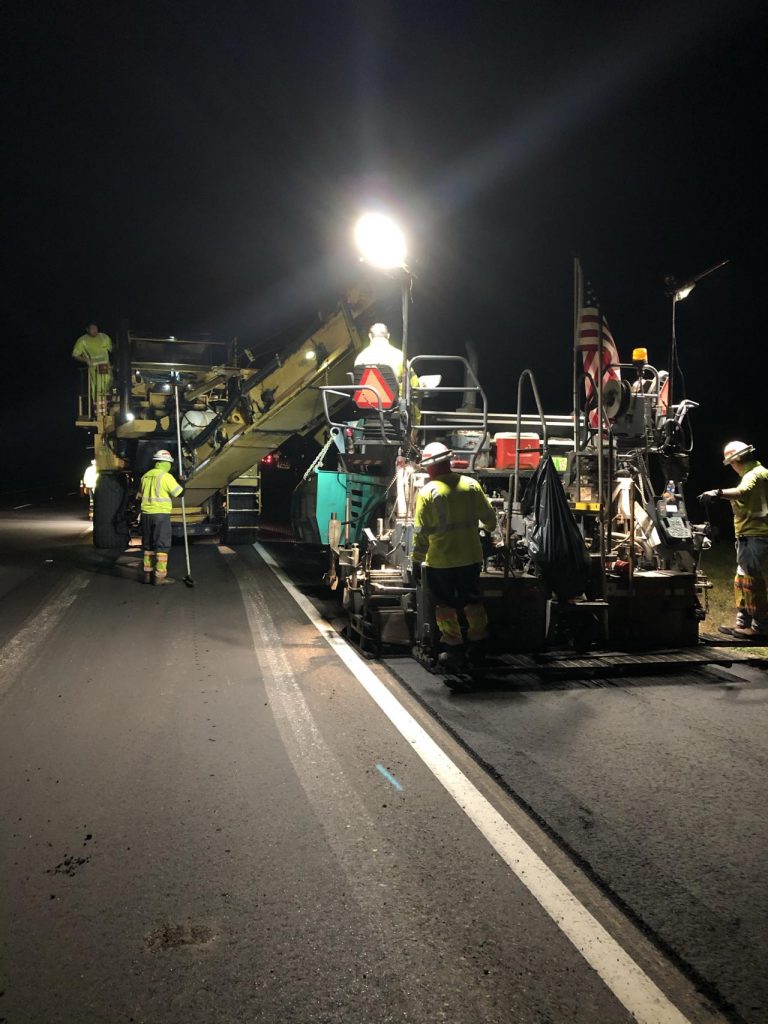
However, many states and municipalities have also taken advantage of reduced traffic on roads to expedite a number of road construction projects. AsphaltPro asked its readers across our social media platforms to share an on-the-ground perspective on construction activities in their states.

Westchester, New York: Mark Reuss of Asphalt Maintenance Services shares a snapshot from work on an airport in Westchester, New York.

Westchester, New York: Mark Reuss of Asphalt Maintenance Services shares a snapshot from work on an airport in Westchester, New York.

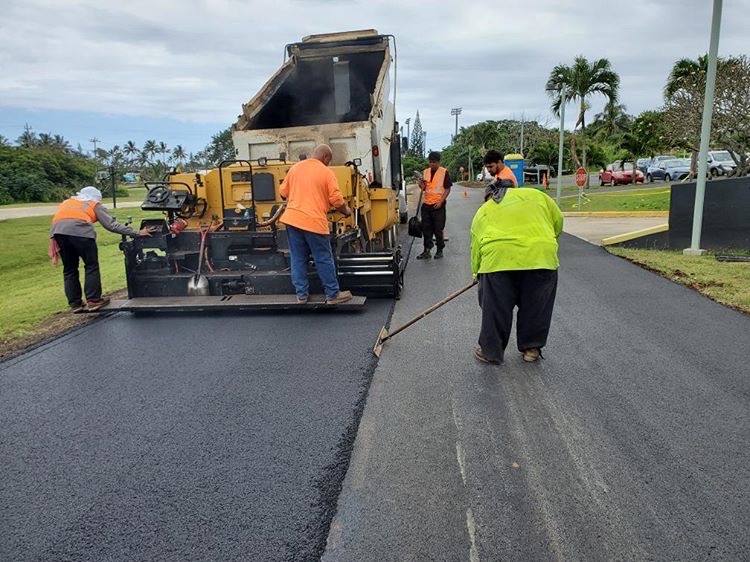
O'ahu, Hawaii: SealPros LLC paves 1000 tons in five phases at a medical center in O'ahu, Hawaii. The company was able to move up its paving schedule for the project after another customer cancelled on them.

O’ahu, Hawaii: SealPros LLC paves 1000 tons in five phases at a medical center in O’ahu, Hawaii. The company was able to move up its paving schedule for the project after another customer cancelled on them.


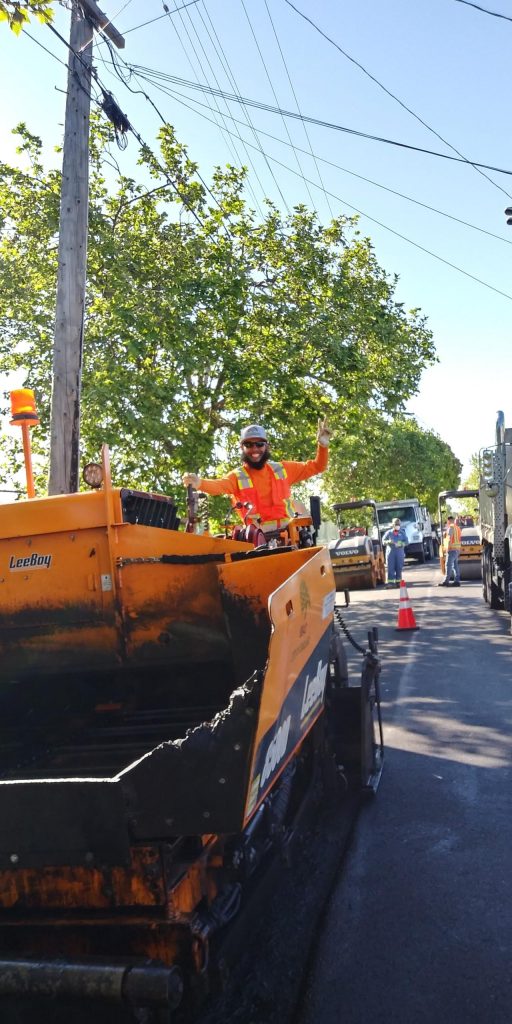
Oakland, California: Roberto Hernandes with the City of Oakland Street & Sidewalks in California reminds us to stay positive. Anytime he has a chance to pave, he says, he is pumped!

Oakland, California: Roberto Hernandes with the City of Oakland Street & Sidewalks in California reminds us to stay positive. Anytime he has a chance to pave, he says, he is pumped!


Storm Trucking continues its work in Columbus, Ohio.

Columbus, Ohio: Storm Trucking continues its work in Columbus, Ohio.


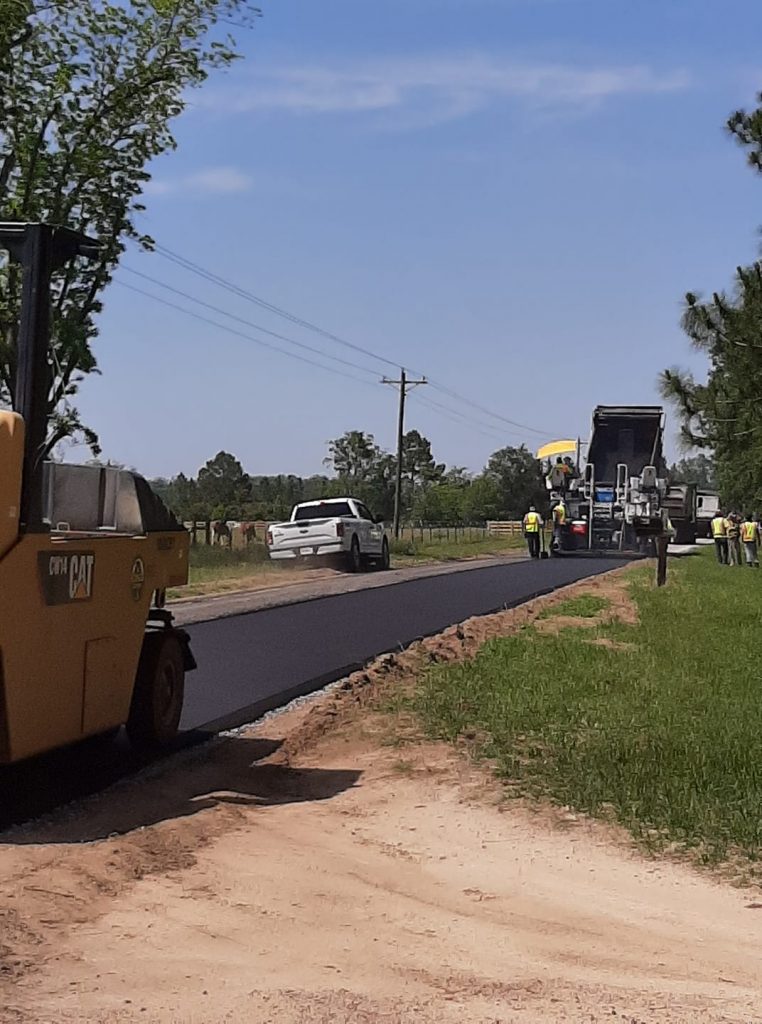
David Crowell reports that work continues in Georgia. "It never stopped," he said. Thankfully, his asphalt producers have continued to provide mix during these uncertain times.

Georgia: David Crowell reports that work continues in Georgia. “It never stopped,” he said. Thankfully, his asphalt producers have continued to provide mix during these uncertain times.


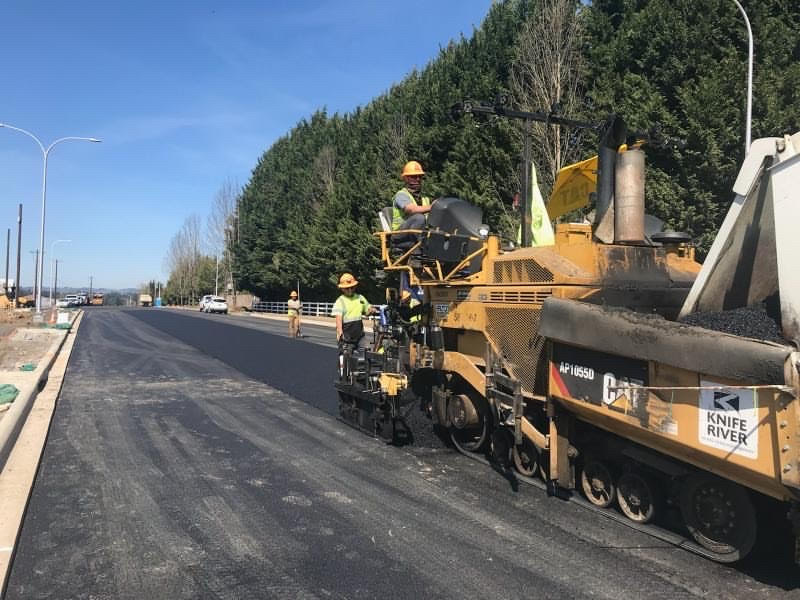
Portland, Oregon: Knife River Construction continues paving in Portland, Oregon.

Portland, Oregon: Knife River Construction continues paving in Portland, Oregon.

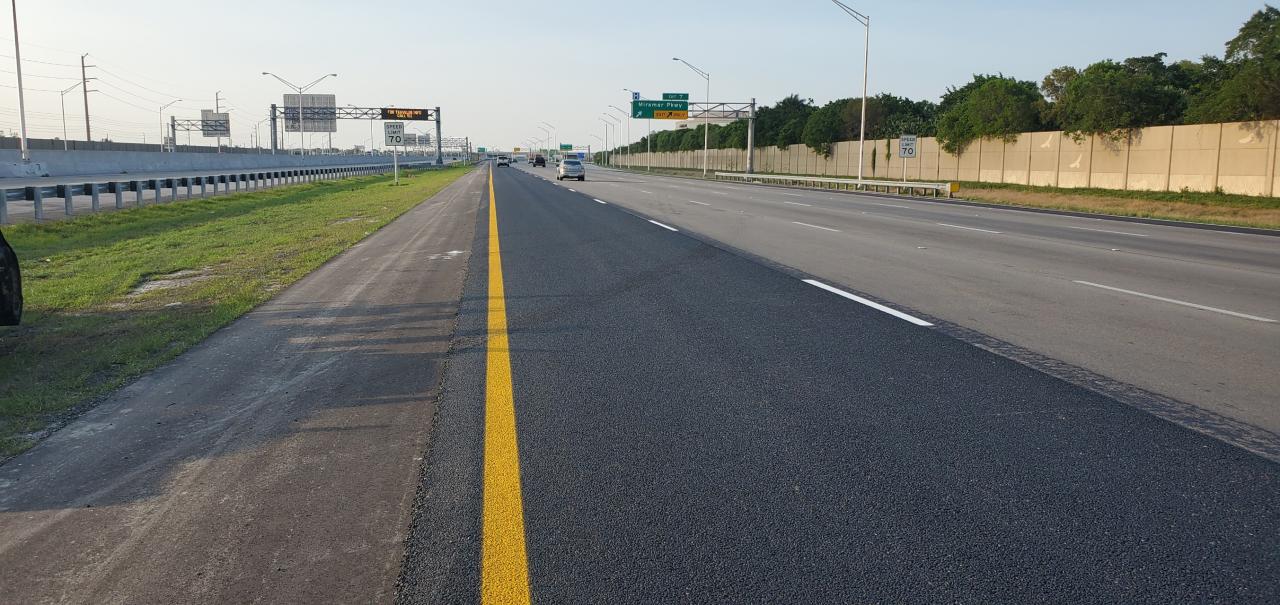
Miami, Florida: Halley Engineering Contractors continues paving 75 Northbound in Miami, Florida.

Miami, Florida: Halley Engineering Contractors continues paving 75 Northbound in Miami, Florida.


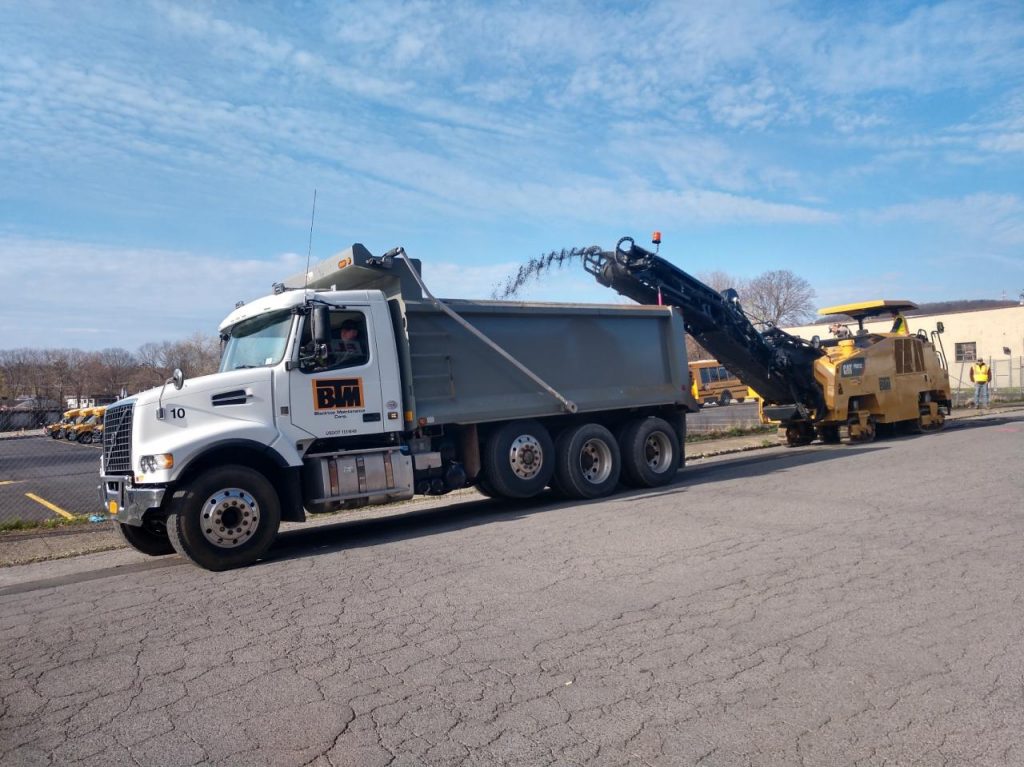
New York: Milling continues for Blacktop Maintenance Corp in New York, reports Stewart Petrovits.

New York: Milling continues for Blacktop Maintenance Corp in New York, reports Stewart Petrovits.


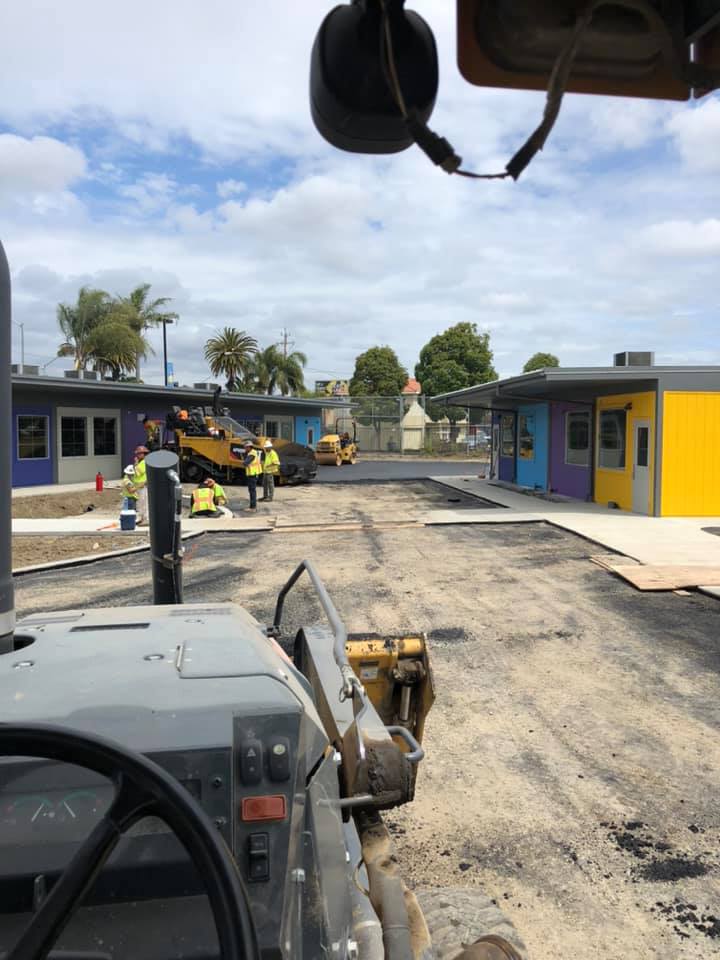
Oakland, California: Bay Cities Paving and Grading continues to pave in sunny, colorful California.

Oakland, California: Bay Cities Paving and Grading continues to pave in sunny, colorful California.


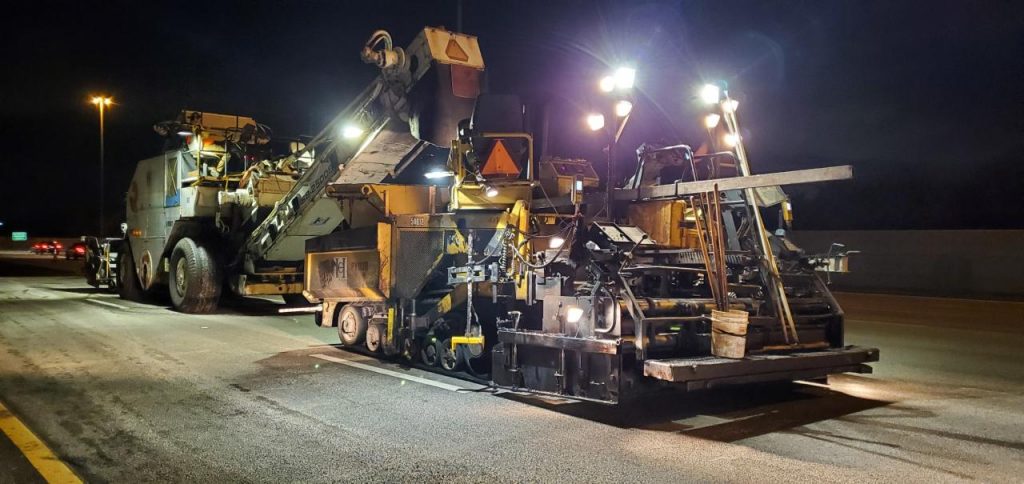
Tampa, Florida: Preferred Materials paves on atop I-75 in Tampa, Florida.

Tampa, Florida: Preferred Materials paves on atop I-75 in Tampa, Florida.


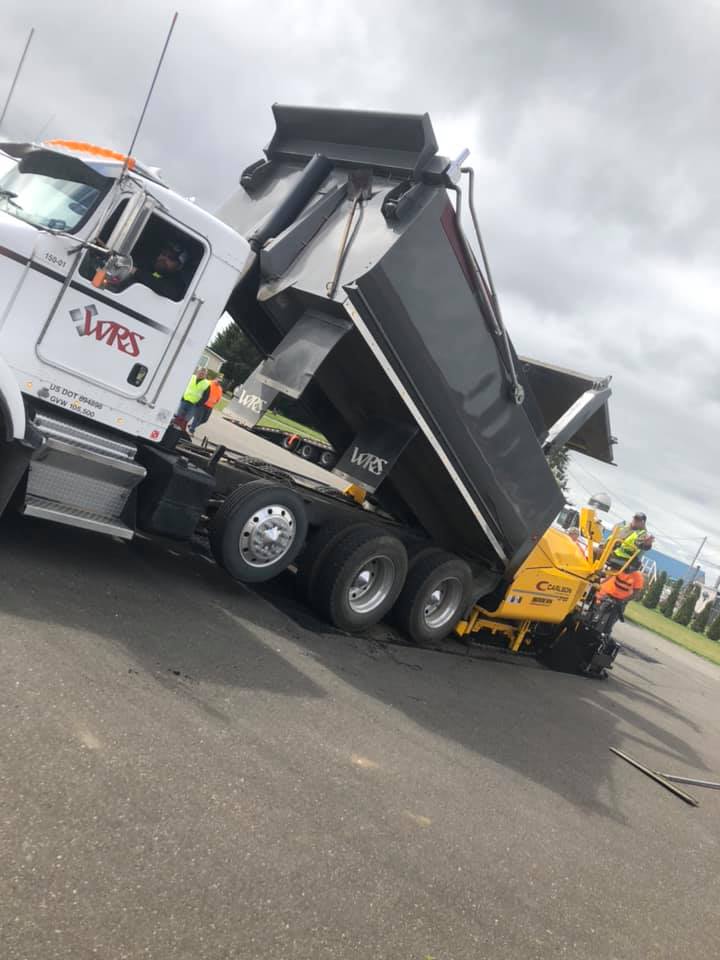
Washington: Washington State may have been only one of a handful of states that considered most construction non-essential, but Steve Anker and the team at Western Refinery Services had a chance to break in their new Carlson paver on an essential job.

Washington: Washington State may have been only one of a handful of states that considered most construction non-essential, but Steve Anker and the team at Western Refinery Services had a chance to break in their new Carlson paver on an essential job.

Prep For Your Paycheck Protection Program Application Now!

To learn how to manage your SBA Paycheck Protection Program loan wisely, read our guide here.


With President Trump signing the Senate Amendment to H.R. 266—Paycheck Protection Program and Health Care Enhancement Act reauthorization Friday, $250 billion was injected for round two of the stimulus for American businesses with fewer than 500 employees.

The quick distribution of funds from the first round saw the U.S. Small Business Administration (SBA) issue 1,661,397 loans totaling $342,277,999,103 (source: SBA.gov). Those loans were granted with the help of 4,975 lenders, and that’s how the next round will succeed as well: via bankers who can help you get your paperwork completed properly. The Regional Hispanic Contractors Association (RHCA) webinar held April 24, on “How to Prepare for the Next Paycheck Protection Program,” shared valuable insight for contractors.

RHCA President John H. Martinez acknowledged banks have a backlog of loan applications from the first round of funding, which, according to an SBA press release, “processed more than 14 years’ worth of loans in less than 14 days.”

The experts participating in the webinar anticipate the funds for this second round will “last” one to two days. That means it’s vital to prepare your application quickly, completely and accurately, and to submit it in time for an anticipated third round of PPP funding. Here are some tips to help.

Assemble your team—CPA and banker

All experts agreed the larger banks are swamped with applicants and, frankly, unable to give one-on-one attention. It is in your best interest to work with your CPA to gather all your documentation and approach your personal banker. If you don’t have a bank with whom you’ve developed a relationship, look for a reputable, smaller lending institution in your neck of the woods. Miguel Reyna, owner of Reyna CPAs in Dallas, said, “Try to find a small lender. If you have a personal banker, that’s great. Don’t try to do this online.”

Your banker will also provide the best form for you to use. You can also go to SBA.gov to download forms.

Sign and initial by hand

Julio Ayala, the vice president at Frost Bank, warns applicants the SBA has been kicking back applications that are electronically signed. Now, Paul Rodriguez, a contractor and president of Rodriguez Mechanical Contractors Inc., was able to submit his application using Docusign, and was approved early in the month, but experts suggest caution. Make sure you check all the boxes and initial in all the places where initials are required. Proofread your application before handing it in to your bank to ensure you’ve initialed everywhere you should. If your application is returned to you, you go to the back of the line.

Use your full zip code

Strangely enough, the experts spent quite a bit of time discussing the use of the nine-digit zip code for the business address. Make sure you have this on your application or it will be returned to you, and you’ll go to the back of the line.

Make a folder before you begin

While you will print out your application to sign and initial by hand, the entire package will be submitted electronically. You will need documents in digital format. You will want these documents to be readily available before you begin the application process. Once you begin the process, the system will kick you out if you take too long to respond to a request. By working with your CPA and banker ahead of time, you can gather all the necessary information and documents before you begin. The experts on the webinar offered their suggestions for what they’ve seen banks gathering so far, and I’ll include that combined list below. Again, check with your preferred banker to see what they require.

Have Your Digital Info Ready for Input

  • The PPP application form—completed and signed (the OMB control # in the upper right corner should be 3245-0407)
  • Affiliated companies report (if you own 20%)
  • Some states require a franchise status report, certificate of good standing
  • 2019 business tax return (or 2019 year-end financials, balance sheet & income statement)
  • 2019 employee payroll summary
  • 2019 payroll reports (IRS forms 941, 940, TWC)
  • List of employees paid more than $100,000 per year
  • Borrowing entity documents
  • Copy of borrowing authority
    • SS-4 IRS letter assigning EIN
    • certificate of incorporation filed with the state
    • articles of incorporation and by-laws
    • partnership agreement
    • assumed name certificate filed with the state

Sources: AsphaltPro Magazine thanks the RHCA for sharing the webinar April 24 and NECA for the updated legislative document.

6 Steps Toward An Effective Preventative Maintenance Strategy

A preventative maintenance program is, ideally, your connective tissue between the machines that are running your operation, and the people that are running the machines. When you have an effective preventative maintenance program being utilized, the idea is that everything is running full steam ahead, and without the hiccups that occur with overworked and under maintained machinery.

Think about it in terms of your family sedan:  when your family sedan is run on the freeway on bad gas, without oil and lube jobs, on bald tires, you’re not going to travel at optimum speeds for fear of a blowout, or engine failure. That’s the same precept behind failed maintenance programs and our heavy machinery that is being utilized to run our production facilities, building sites, and packing houses. If you can’t operate your assembly lines box maker at full production speed for fear of the belt snapping, you have a serious hitch in your preventative maintenance program.

CMMS is used in a wide variety of industries and deals primarily with maintenance work, orders, maintenance tasks etc. It has some, if not all, the same properties as telematics systems, including vehicle inspections tracking, as well as digital archives, records and more.

1. Do The Research On Your CMMS Choices

There is no one size fits all CMMS program. That’s the exact reason that there are so many to choose from, and they offer multiple functionalities, many different user interfaces, and you have your choice in the bells and whistles that are necessary for your facility.

When you properly research the CMMS system that is a good fit for your operation, it shows in the preventative maintenance results. Don’t just assume that because it is a CMMS, it is going to solve all of the preventative maintenance issues that were holding back your plant’s successes. The idea is to work with the software, and the software will then work for you.

2. Have A Maintenance Department With Capable Technicians

A CMMS program is a fantastic tool to get everyone on the same page with maintenance and preventative maintenance of your equipment. What it can not do, however, is inform your technicians, or train your technicians. You need to have capable mechanics, those that really know your machines, and know their way around your machines. No preventative maintenance program is going to be able to substitute mechanics that know the machinery, because ultimately that is who is performing the work at the end of the day.

3. Every Preventative Maintenance Program Needs A Point Man

You need to have an administrator for your CMMS. This person should be the guru for all things preventative maintenance, and they should be well versed in every aspect of the CMMS and the preventative maintenance program itself. This person traditionally is the administration in the maintenance department, as they work hand in hand with the maintenance staff, and see the everyday ins and outs of the technicians and their struggles with the preventative maintenance program. That doesn’t mean it has to be a member of your maintenance administration, but this has proven to be a successful tactic in the past.

4. Proper Data Input Is Crucial To Reading Trends

Having mechanics on the floor performing preventative maintenance is amazing. It means that machines are being well cared for, and that you are achieving exactly what you set out to do when you put the CMMS into place in your facility. However, without the proper input of that data, you will not be able to read the reports and look at the trends as you set out to do.

If your technicians aren’t equipped with handheld scanners to scan their times in on bar codes linked to equipment, you will need to have a data entry person that will key the work as it is notated by the mechanics. Depending on your facility and maintenance staff size, this can be quite the undertaking. Without proper data entry, you cannot expect to have accurate reports.

5. The Preventative Maintenance Program Only Works If You Use It

Just like the family Sedan, you can have all of the oil and lube stickers in the windshield that one windshield will hold, but without actually going to have the oil and lube job performed, you’re just wasting stickers. Preventative maintenance programs behave in exactly the same fashion. It’s great to have a preventative maintenance program in place: it’s pointless to have one if you don’t stop production for long enough to allow your technicians to perform their jobs.

6. Read Your Reports And Look For Trends

Once the preventative maintenance program is in place, and things are running, for lack of better terminology, like a well oiled machine, we tend to stop reading our reports and searching for the trends that can improve our facility. That’s a bad habit to start, because the great thing about a CMMS is the ability to have all of the data compiled and shown in a complete encapsulation that shows you exactly where your equipment stands, and what lines or machines just aren’t giving you the maximum output that you should be getting. Familiarize yourself with the reports that are available from your CMMS and use them to your advantage.


About Talmage Wagstaff, Co-Founder and CEO of REDLIST

Raised in a construction environment, Talmage has been involved in heavy equipment since he was a toddler. He has degrees and extensive experience in civil, mechanical and industrial engineering. Talmage worked for several years as a field engineer with ExxonMobil servicing many of the largest industrial production facilities in the Country.