Training to Infinity

This year’s Paving for Bonus issue includes a brief wrap-up from the World of Asphalt 2019/AGG1 Academy and Expo held in Indianapolis back in February. These co-located shows and conferences offer a host of information for all segments of the industry, of course, but I’d like to call out the paving portion of the education they offer right here.

Specifically, the People, Plants and Paving conference offered a number of paving, compaction and pavement maintenance seminars for attendees. This kind of classroom training is reminiscent of lectures in high school where you let the instructor pour good information into your brain. Attendees had the opportunity to ask questions and get immediate answers from the instructors. That kind of training is valuable to companies who have a number of crewmembers sitting side-by-side, taking notes together, and then discussing or comparing what they learned afterward.

Notice that you want the members of your team to keep talking about what they learned.
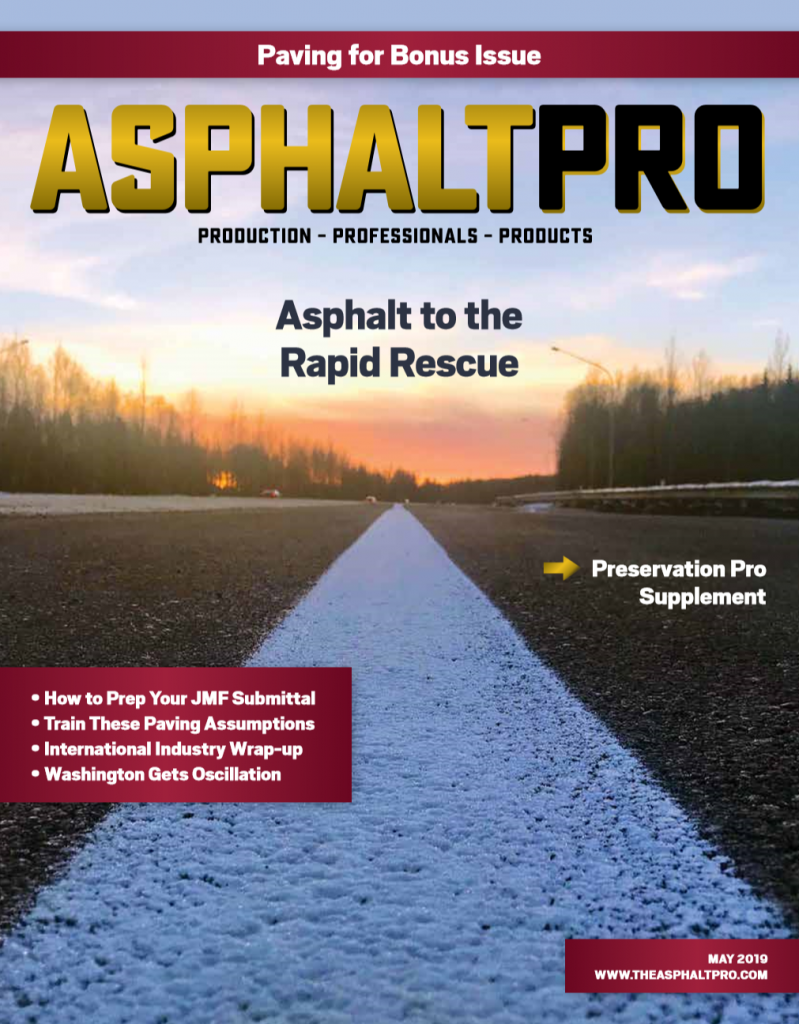
May 2019 Asphalt Pro

Training shouldn’t—and doesn’t—stop when members of the crew get home from a conference, a tradeshow, a state lunch-n-learn seminar or a dealership’s workshop. Your crewmembers are learning on the job all the time. It’s not easy to stop and correct someone’s technique while you’re striving for a 1,000-ton day, but the learning is happening. Are you teaching the right stuff?

When John Ball—the proprietor of Top Quality Paving & Training, Manchester, New Hampshire—travels to companies to train paving crews, he uses video as well as lessons in the field to bring crewmembers up to speed. When he videotapes the crew, he’s not out to embarrass anyone; he’s out to capture good and not-so-good techniques that he can go over with the whole team the next day.

When you’re in the thick of paving, you don’t stop to discuss the best way to grab material from between the endgate and tunnel in a manner that protects the feed sensor’s wires. But if you look at the laborer’s technique the next day, you can share his proper, best practice with the newbie on your crew.

If you take a quick video of the screed operator getting a depth reading and then laying the straight edge across the mat while wearing his tamp shoes to keep from marring the mat, you have multiple points of best practices to show the new hire who has no idea yet how important any of those things are.

https://theasphaltpro.com/cross-train-your-crew/

If you take a short video of the roller operator struggling to scrape pick-up off a dry drum, you don’t want to berate him, but you can show how this could have been avoided with proper filling of the water tank, proper maintenance of the spray bar and nozzles, and proper monitoring of the spray system during operation. You can use the video as an opportunity to discuss with your compaction team members rolling patterns and using the heat of the mat to keep steel drums and rubber tires hot.

You get the idea.

Training is an ongoing process. You reinforce lessons all season long. Whether you take a rainy day to set up and watch a couple lessons from the Asphalt Paving 101 course from AsphaltPro magazine or you use the free Training Solutions eNewsletter we send out every month in your regular tailgate meetings, you’re adding to and reinforcing your crew’s knowledge base. You’re adding to your opportunity to make full pay on project after project this paving season.

Stay Safe,
Sandy Lender
Can Your Laborer Work Their Way Up?

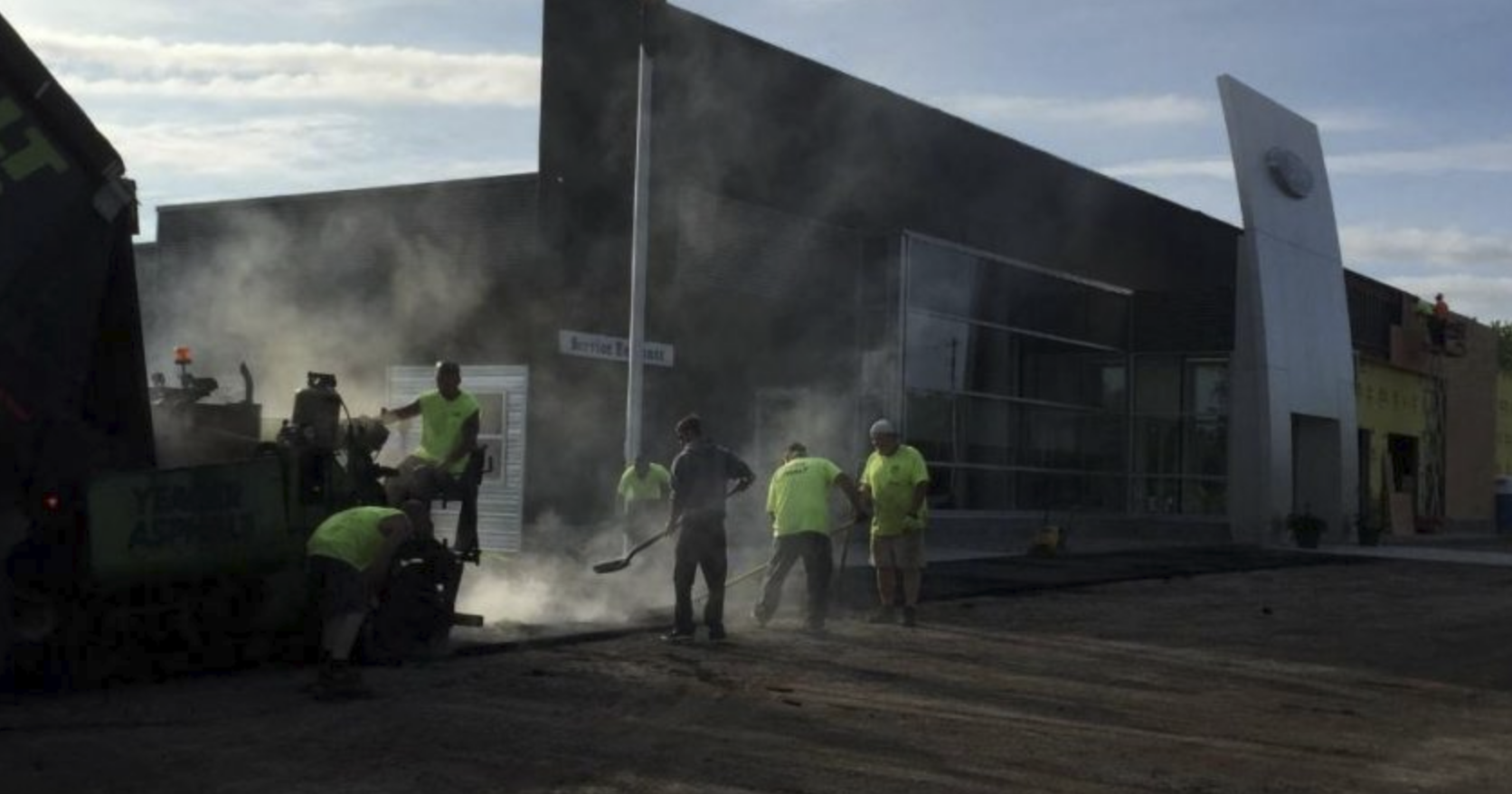
Your general laborer’s job description should include the phrase: move up the ladder of success. By training him or her to advance, you’re instilling a quality mindset in this worker.

Think about it: Workers don’t typically advance to new positions until they’ve mastered skills, and that’s good news for all your paving projects. In addition to filling water tanks, gathering tools at the outset of the shift, raking material, forming perfect lines, and more, the general laborers should also learn how to perform the next set of duties on the paving crew. Which one has the initiative and skill to run the screed by the end of the paving season?

By training laborers and focusing on helping them master detail-skills such as luting, raking, lining out jobs, caring for equipment, and more, you’re building quality into each step of your projects. That’s not only how you develop excellent workers who take pride in their jobs, that’s also how you reduce mistakes and improve performance overall.

The online training course that AsphaltPro magazine developed with international industry consultant John S. Ball III spends time giving guidance to the general laborers apart from the lute men so both sets of workers get specific tips and training for best practices and improvement.


Get more tips like this each week! Sign up for AsphaltPro‘s weekly Toolbox Tip emails.

Weekly Toolbox Tips

How Seriously Does the New Crew Take Safety in the Work Zone?

Safety Culture. It’s a term that gets thrown around at industry conferences and in webinar course headlines. As we move into paving season in North America, and as colleagues in other parts of the world prepare for some cold-weather training time, let’s put some muscle behind the term “safety culture.” There should be zero tolerance for fooling around in the work zone. When members of the crew are behind safety cones or barrels, they’re only feet or inches away from thousand-pound vehicles being operated by increasingly distracted drivers. Make sure everyone on your crew is aware of that.

Make sure everyone on your crew takes personal responsibility for his or her safety. Each member of the team should know the reasons for wearing PPE. If the safety vest is not a requirement on a specific project because it’s just a side street that no DOT would even think about, your company can make the safety vest a requirement. The flash of yellow may be all that catches a driver’s eye to bring your raker out of the shadows cast by trees on the side street. That makes the safety vest a lifesaver.

If the hard hat is not a requirement on a parking lot patching project because it’s just a $2,000 parking lot job, your company can make the hard hat a requirement. If an errant driver or overzealous co-worker bumps into a laborer or piece of equipment, the employee who falls and bumps his head will have a better chance of walking away from serious injury if he’s wearing the right PPE.

Of course a company’s safety culture goes deeper than convincing rough-and-tumble workers to wear safety devices. Myriad programs can help safety directors instill good safety practices in all employees, and AsphaltPro includes a module dedicated to safety in our online training course. For the month of April, we’ll focus on best paving practices in these toolbox tips, but make sure all paving begins with safety.

Recommended Reading:

Use Best Practices for Low Volume Road Flagging

Protect Crews with New Crash Attenuator Truck

Safety Culture Wins Bids


Sign up to receive tips like this to your inbox every week!