Thin Profit Equals Thin Future

While preparing an article to outline how maritime regulations will affect liquid asphalt binder supply and cost next year, I noticed my opinion seeping in. It was time to bring the discussion to the editorial column where such things are allowed. Are we doing more harm than good when promoting thin overlays for existing pavements?

When I was in high school, I took private lessons from an elderly lady to hone my skill at playing the violin. Mrs. Connelly told me, “If you’re going to make a mistake, make it loud.” She taught me not to play timidly.

Right now, it is my personal opinion that the asphalt industry is being timid in its overuse of thin overlays. The main purpose of placing half an inch of material is to protect an underlying surface while stretching an agency’s pavement maintenance funds, of course. Couldn’t we also protect the underlying surface and provide “more” for the end user with two inches of material? It’s an upsell from a funding standpoint, but it’s a win down the road.

Let’s look at what else two inches of material offers. It offers more structure, more strength, more pavement life, more forgiveness for the new paving crewmembers (think realistically about the incoming workforce), more forgiveness of temperature differentials (both material and ambient) during paving, and the big point—more tons.

I recognize that the asphalt industry is exemplary in its use of recycled materials. We are a standard bearer for environmental sustainability. Our competition can’t hold a candle to us in the carbon footprint or urban heat island arenas.
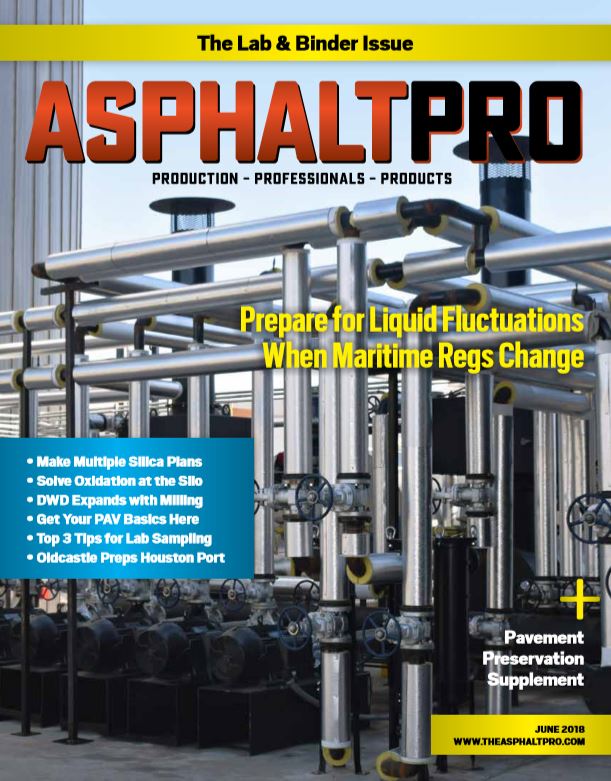
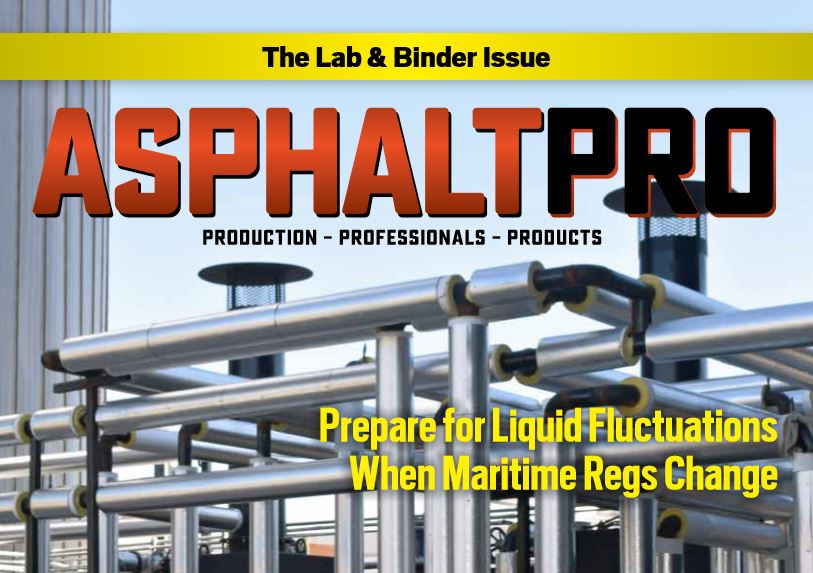
The June 2018 issue of AsphaltPro was mailed to subscribers at the end of May.

The June 2018 issue of AsphaltPro was mailed to subscribers at the end of May.

At this point in time, our tonnages are down from the 400 million plus tons per year being produced and placed in the ’80s because the funding for work has been scarce out there (among other factors). When we get work, we too often place a thin version of what an agency could have. What are we thinking?

As 2018’s construction season began, most contractors were overwhelmed with work. It’s a bumper of a season already. The buzz on the street is this is “the busiest we’ve been in decades.” Like Fred the Baker meeting himself at the door, most contractors are making mix from dawn to dusk. OEMs are backed up with orders. Plants are running at capacity.

Estimators are pulling out their hair trying to keep up with bids and projects and measuring. All of that is great news for progress, and for getting roads and highways back up to safe standards for the end user. Let’s make sure we do it right with depths of lifts that allow nominal maximum aggregate sizes that support traffic for years to come, and that support suppliers and vendors investing in our industry for years to come.

The ramifications of underselling go deeper than merely having a plant close its doors due to lack of sales. When liquid prices skyrocketed in 2008, tonnages being placed dropped. Refiners reacted to that by changing their production. Let me repeat: refiners reacted. The suppliers of the liquid our industry must have access to change the way they do business. Are you ready to go into the business of refining heavy, sour crudes so you can have the proper residuals to make asphalt cement?

That’s a bolder move than even Mrs. Connelly would have proposed. But when we’re offering agencies less than what our industry could give them, we’re setting ourselves up for less down the road. Instead, we should be offering more tons in a competitive manner. A strong profit equals a strong future.

Stay Safe,

Sandy Lender


Subscribe here to receive a free print copy of AsphaltPro delivered to your mailbox each month.

Take Time to Celebrate National Public Works Week!

It’s time to show your friends, family and community “The Power of Public Works.”

That’s the theme behind the American Public Works Association’s 58th annual National Public Works Week, held May 20-26, 2018.

APWA’s 30,000+ members from hundreds of municipalities across the country will be celebrating National Public Works Week by teaching their communities the importance of public works to improve the quality of our daily lives.

“From providing clean water to disposing of solid waste, to building roads and bridges or planning for and implementing mass transit, to removing snow on roadways or devising emergency management strategies to meet natural or manmade disasters, public works services determine a society’s quality of life,” reads APWA’s website.

APWA has been sponsoring National Public Works Week since 1960, and the number of participating municipalities continues to grow, year after year. And, there’s no shortage of ways to get involved–as a municipality, a company or even just one person.

You might have an open house or tour to show how you contribute to our public works system, attend one of hundreds of events being held around the country, give your employees a little extra appreciation, visit a kids classroom to teach them what you do and how public works affects their lives, or simply spread the word on social media with the hashtags #NPWW #PowerOfPublicWorks.

For more information on how you can get involved, check out APWA’s How-To Guide.


“Asphalt is for racing. Concrete is for sidewalks.”

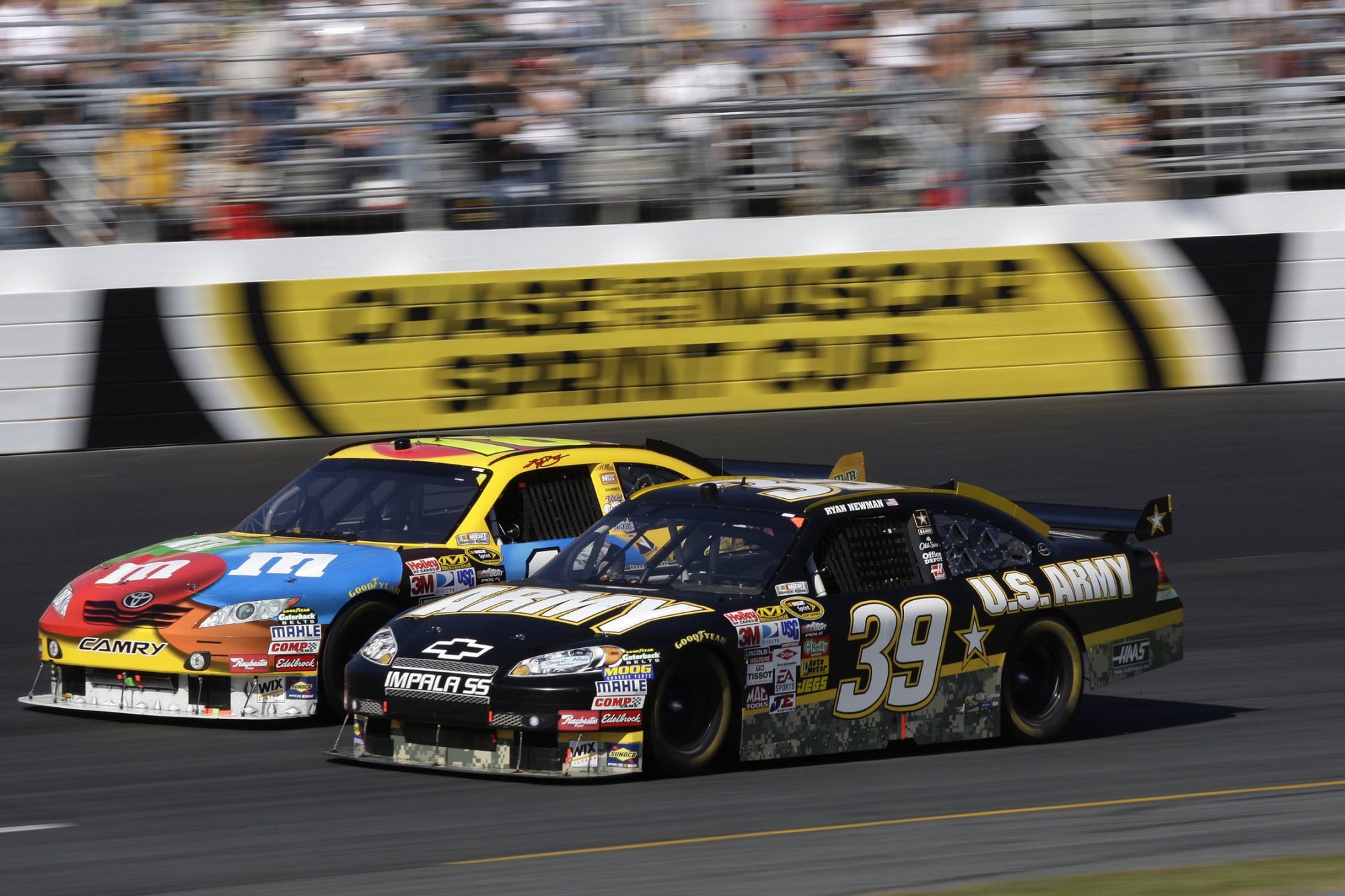
Happy NASCAR Day! America rides on asphalt–and so does NASCAR.

Earlier this month, Dover International Speedway workers had to repair an area in turn 2 of the Dover, Delaware-based race track. Two 3-foot-by-3-foot pieces of concrete had come up and needed to be replaced before last weekend’s race.

In response to a tweet about the repair, Dale Earnhardt Jr. said it best: “Asphalt is for racing. Concrete is for sidewalks.”

We couldn’t agree more, Dale!


#StandDown4Safety to Prevent Falls in Construction

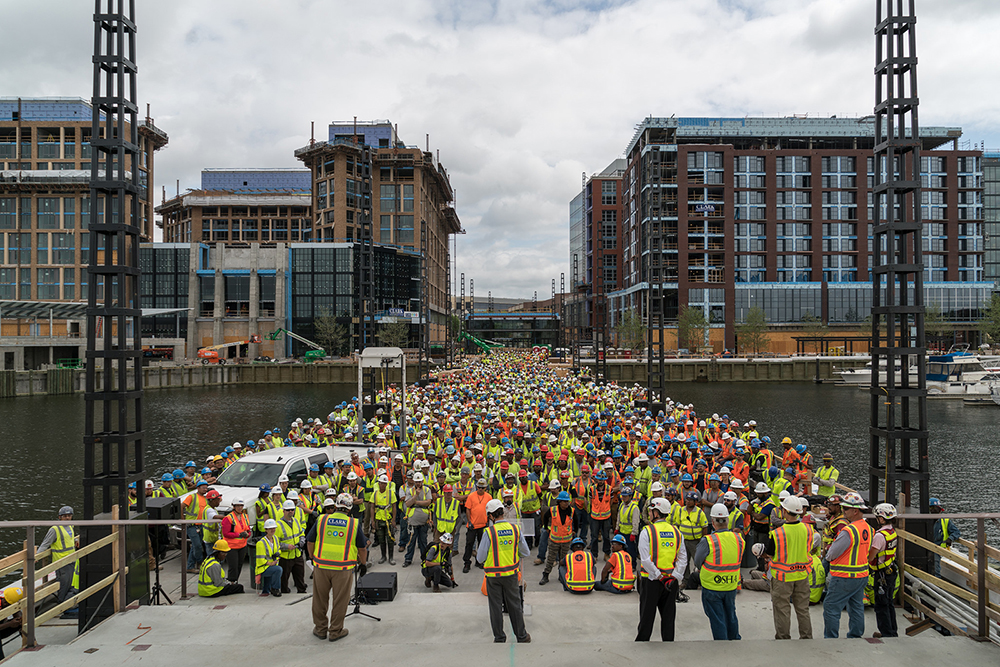
Falls are one of the leading causes of injury and death among construction workers, accounting for 370 of the 991 construction fatalities recorded in 2016.

That’s why you and your crew should consider joining in National Safety Stand-Down activities occurring this week.

Participation is simple.

Spend today’s Toolbox Talk on fall hazards and prevention. Start by watching this video for inspiration:

Host your own stand-down by taking a few minutes during this week’s shifts to talk about fall hazards and fall prevention. Remind employees about the hazards they might experience, how to protect themselves, and what your company’s policies are to help keep them safe.

The National Safety Stand-Down to prevent falls in construction runs May 7-11 and is a partnership between the Occupation Safety and Health Administration (OSHA), the National Institute for Occupational Safety and Health (NIOSH), the National Occupational Research Agenda (NORA), the Center for Construction Research and Training (CPWR), the American Society of Safety Engineers (ASSE), the National Safety Council, the National Construction Safety Executives (NCSE) and more.

YOU can be a part of fall prevention, too!

In addition to the video above, check out Suggestions to Prepare for a Successful “Stand-Down”Highlights from the Past Stand-Downs and OSHA’s Events page for additional ideas and activities happening in your area.

If you do participate–and we hope you do!–you can share your activities using the hashtag #StandDown4Safety.

Make Sure the Crew is Watching Repair Details

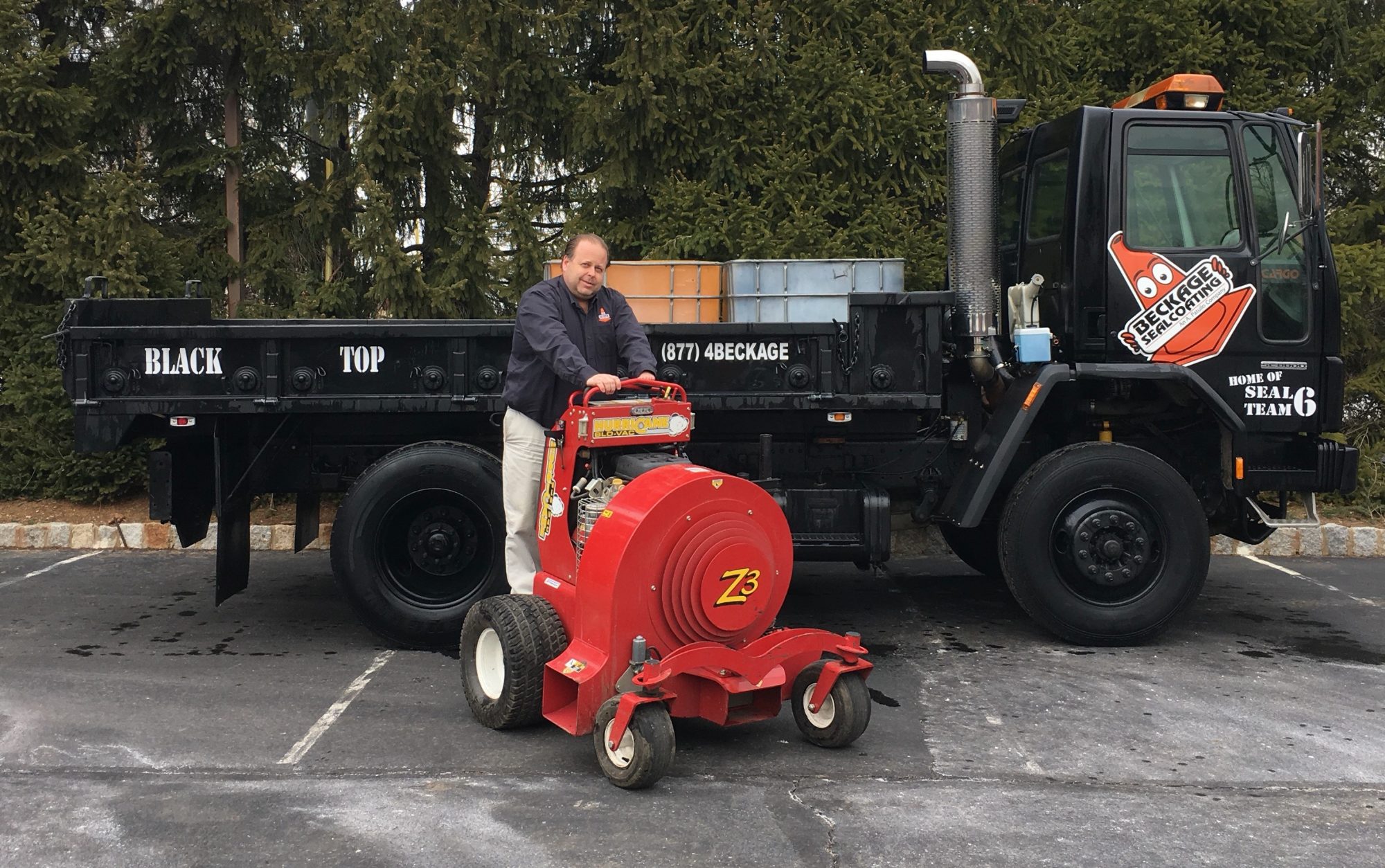
In today’s funding arena, cities and local governments watch the bottom line just as carefully as you do. When agencies or property managers let a bid for a thin overlay or basic patching job, they want it done right the first time, but they may not be aware of how much additional pressure these small batches put on your crew. That’s not their problem, is it? It’s yours.

Make sure your crew is watching all the details when you’re on pavement repair jobs so mistakes don’t creep into the project.

  • Clean surfaces very well before performing work. A dirty surface won’t let tack or mix adhere properly.
  • Tack edges, joints and surfaces properly. Too much of a good thing here is just as disastrous as dribbling material sparingly.
  • Watch mix temperature. While there are teams that use cold patch for some reason, your team is probably using HMA out of a truck or hot box. Use a temperature gun to monitor what you’re placing. If it’s losing heat, it’s time to reblend or send it back. That sounds expensive, right? It’s also expensive to get called back to a job mid-summer to replace your failed work for free.
  • Compact only until it’s done. If you over-compact, you’ll break the aggregate, which leaves uncoated rock faces in the mat, among other problems.

I don’t intend for this to sound harsh; I intend for it to be a quick-n-easy list of basics for the new pavement repair crew. You’ve got to adhere to best practices any day of the week, but best practices are doubly important when working with a thin lift or a small amount of material. Mistakes are magnified in these small areas, so make sure you give your repair crew its best chance at mistake-free repair work by teaching the

Get helpful tips like this to your inbox every single Monday when you subscribe to AsphaltPro’s Toolbox Tips newsletter.