
Sep 15, 2026
What ANSI/ISEA Z89.1-2026 Means for Construction Head Protection
BY AsphaltPro Staff
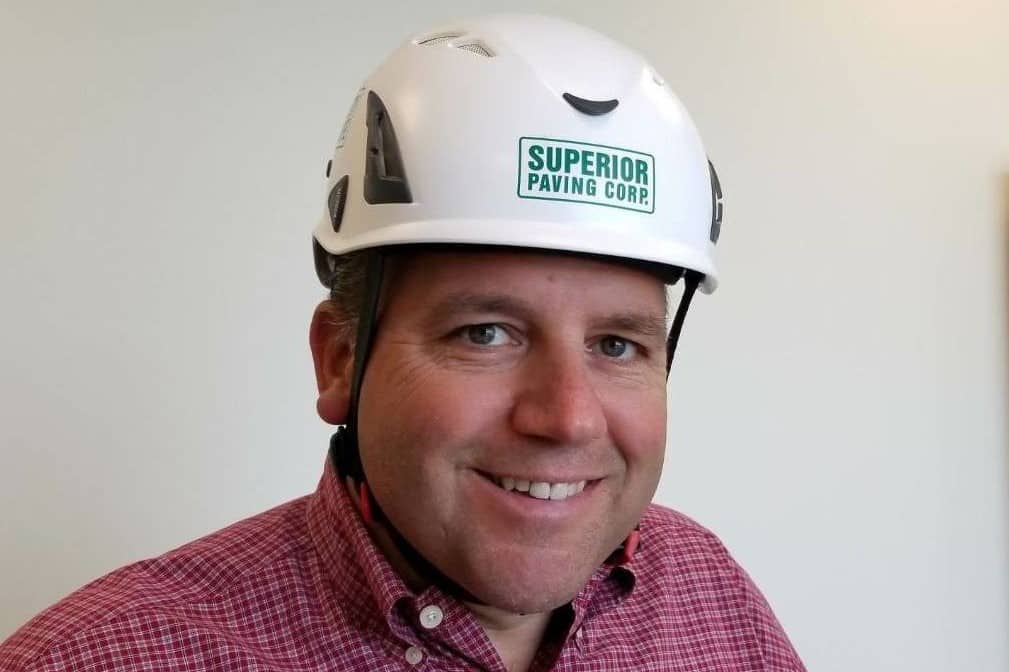
The International Safety Equipment Association (ISEA) has released ANSI/ISEA Z89.1-2026, an updated industrial head protection standard that arrives as contractors across the construction industry continue shifting from traditional hard hats to safety helmets.
The new standard adds testing protocols for several features driving that transition, including chin strap retention, helmet stability and multi-directional impact protection. It also provides guidance and testing related to wearing helmets in the reverse position.
The update follows several years of increased attention on head protection. In 2023, OSHA recommended that employers consider safety helmets instead of traditional hard hats, particularly on construction sites and other workplaces where workers face risks from falls and impacts from the side. OSHA also announced that its own employees would begin wearing safety helmets.
A key difference is retention. Traditional hard hats can come off during slips, trips and falls, while safety helmets equipped with chin straps are designed to remain on the worker’s head. Type II helmets also provide protection against impacts to the front, back and sides of the head, rather than focusing primarily on impacts from above.
Major contractors have already begun requiring Type II safety helmets with chin straps on their projects. The 2026 standard gives manufacturers and employers a more consistent technical framework for evaluating the performance of the equipment being adopted across those jobsites.
For contractors, the update provides another consideration when reviewing PPE requirements and purchasing new head protection. Rather than looking only at whether a helmet meets the basic standard, employers can evaluate the specific impact and retention protections appropriate for the hazards their crews face.
The release of ANSI/ISEA Z89.1-2026 marks an important step in bringing head protection standards in line with the changing equipment and safety practices already appearing on construction jobsites.